Definition and Functions
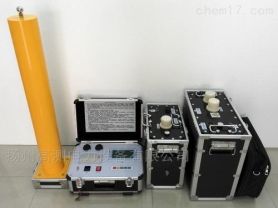
The WZ-type partial discharge tester is a professional device used to detect partial discharge phenomena in electrical equipment. By detecting the degree and pattern of partial discharge, it can assess the insulation condition of electrical equipment and promptly identify potential insulation defects. This type of tester is widely used in transformers, cables, switchgear, and other equipment in power systems, as well as various electrical equipment in industrial production and scientific research experiments.
Importance
Partial discharge is one of the common signs of early deterioration of insulating materials in electrical equipment. If not addressed, it can lead to serious equipment failures and even safety accidents. Therefore, regular testing with the WZ-type partial discharge tester is crucial for ensuring the safe and stable operation of power systems.
Working Principle
Testing Methods
The WZ-type partial discharge tester typically uses the following methods to detect partial discharge phenomena:
Ultra-High Frequency (UHF) Detection: Uses ultra-high frequency signals to detect partial discharge, suitable for equipment such as GIS (Gas Insulated Switchgear).
Ultrasonic Detection: Identifies discharge locations by detecting ultrasonic signals generated by partial discharge.
Radio Frequency Detection: Uses RF antennas to capture partial discharge signals.
Optical Detection: Uses ultraviolet light or other optical means to detect light radiation generated by partial discharge.
Electromagnetic Induction Detection: Captures electromagnetic signals generated by partial discharge through induction coils.
Components
The WZ-type partial discharge tester generally consists of the following parts:
Sensors: Used to capture signals generated by partial discharge, such as UHF sensors, ultrasonic sensors, etc.
Signal Processing Unit: Processes the captured signals to extract useful information.
Display and Control Unit: Used to display test results and provide an operation interface for users to adjust test parameters.
Communication Module: Used for data exchange with other devices or systems.
Power Module: Provides necessary electrical support for the equipment.
Operation Process
Preparation Phase: Select the appropriate WZ-type partial discharge tester according to test requirements and prepare the equipment to be tested.
Connecting Equipment: Correctly connect the tester to the equipment under test, and install sensors or other detection components as needed.
Setting Parameters: Set relevant parameters of the tester according to test requirements, such as detection frequency range, sensitivity, etc.
Executing Test: Start the tester to begin detecting partial discharge signals.
Reading Results: Read the partial discharge results from the tester and record them.
Recording Data: Record test data, including partial discharge results, test date, time, environmental conditions, and other information.
Application Scenarios
The WZ-type partial discharge tester is widely used in multiple fields:
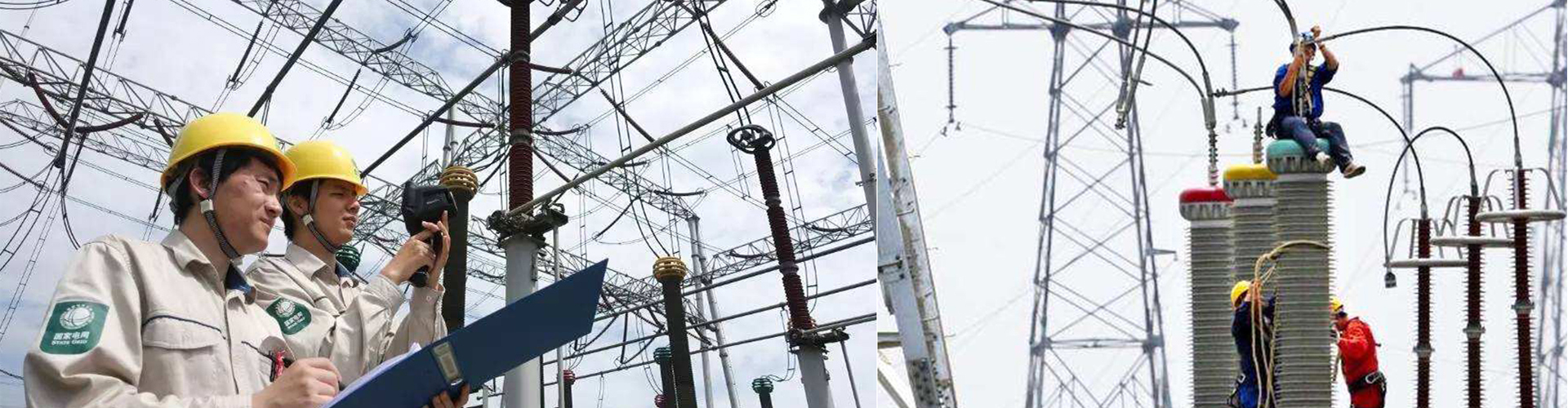
Power Systems: Used to detect partial discharge phenomena in transformers, cables, switchgear, etc., in power systems, ensuring the safe and stable operation of power systems.
Industrial Production: Used in industrial production to detect the insulation condition of motors, generators, high-voltage cables, and other equipment.
Scientific Research Experiments: Used in laboratories to study the insulation performance of electrical equipment under high-voltage conditions.
Equipment Maintenance: Used during equipment maintenance and repair to assess the health of electrical equipment and promptly identify potential insulation defects.
Usage Precautions
Safety First: Ensure the equipment is properly grounded before testing, and operators wear insulating protective gear.
Correct Connection: Correctly connect the equipment under test according to the equipment manual to avoid damage caused by incorrect connections.
Gradual Adjustment: When adjusting tester parameters, do so gradually to avoid sudden changes that may cause data distortion.
Regular Calibration: Regularly calibrate the WZ-type partial discharge tester to ensure the accuracy of measurement results.
Complete Recording: Record detailed data for each test, including partial discharge results, test date, time, environmental conditions, etc., for future reference.
Development Trends
With technological advancements, the WZ-type partial discharge tester is also continuously developing:
Intelligence: Integrating advanced sensor technology and intelligent control systems to achieve remote monitoring and automated management.
Portability: Designed to be more compact and lightweight, making it easy to carry and operate on-site.
Multifunctionality: In addition to basic partial discharge detection functions, other functions such as data recording and fault diagnosis have been added.
High Precision: Adopting more advanced measurement techniques to improve test accuracy and reliability.
In summary, the WZ-type partial discharge tester, as an indispensable testing device in power systems, industrial production, and scientific research experiments, plays an important role in ensuring the safe and reliable operation of electrical equipment. With continuous technological advancements, the future WZ-type partial discharge tester will become more intelligent, portable, and have higher test accuracy and functionality, better serving the application needs of various fields.