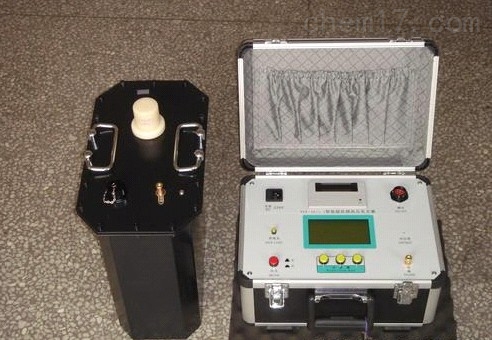
communication cables, and other types of cables. They are crucial for ensuring the reliability and safety of cable systems, especially during maintenance and repair work. Here is a detailed introduction to cable fault locators:
Overview of Cable Fault Locators
1. Definition
A cable fault locator is a type of tool specifically designed to detect open circuits, short circuits, ground faults, and other electrical defects within wires or cables. These instruments can quickly and accurately determine the location of faults, thereby reducing repair time and costs.
2. Working Principle
Different cable fault locators use various technologies to locate faults, but the main methods include:
Time Domain Reflectometry (TDR): This method sends high-speed pulse signals into the cable and measures the time difference for the signal to return from the fault point to determine the fault distance.
Low Voltage Pulse Technique (LVPT): Suitable for low-impedance faults such as short circuits and ground faults. It uses lower voltage pulses for detection to avoid further damage to the cable.
High Voltage Breakdown Detection (HVBD): Used for high-impedance faults like insulation damage. This method applies high voltage to cause a flashover at the fault point, then captures the information at that instant to determine the fault location.
Audio Frequency Induction Method: Utilizes the propagation characteristics of audio signals in cables to locate faults, particularly suitable for finding small breaks in buried cables.
Application Fields
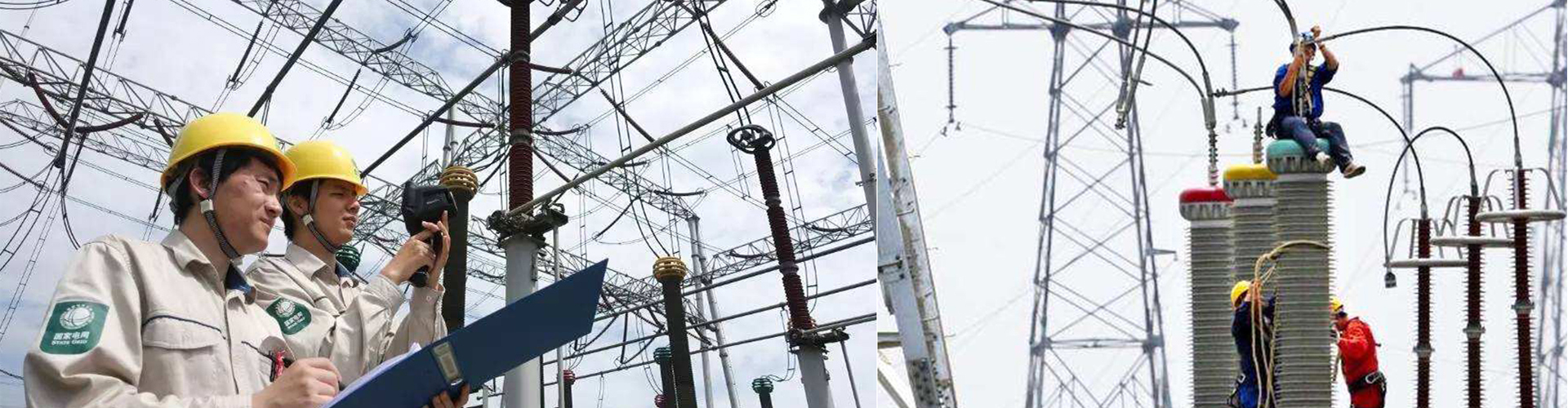
Power Industry: Maintenance of high and low voltage cable systems in substations and power plants.
Communication Industry: Troubleshooting optical cable faults in fiber optic communication networks.
Construction: Inspection and repair of distribution lines and communication lines within buildings.
Rail Transit: Cable inspection for railway signal systems and power supply systems.
Equipment Features and Advantages
Multifunctionality: Modern cable fault locators often integrate multiple testing functions to adapt to different types of cables and fault conditions.
Portability: Many models are compact and lightweight, making them easy to carry for field operations.
High Precision: Advanced algorithms and technologies improve the accuracy of fault location, with some devices capable of pinpointing faults to the meter level.
User-Friendly Interface: Intuitive operation menus and clear result displays help technicians get up to speed quickly.
Safety and Reliability: Compliant with international safety standards to ensure operator safety; some products also feature automatic protection mechanisms to prevent misuse.
Usage Precautions
Correct Equipment Selection: Choose the appropriate tester based on cable type, length, and the expected nature of the fault.
Follow the Operation Manual: Strictly adhere to the guidelines provided by the manufacturer for setup and testing, especially when dealing with high-voltage tests.
Regular Calibration and Maintenance: Keep the equipment in good condition to ensure reliable test results.
Consider Environmental Factors: Adverse weather conditions may affect test results; appropriate measures should be taken to ensure data accuracy.
Environmental and Energy Efficiency
With increasing environmental awareness, some new cable fault locators are beginning to focus on energy-saving and emission-reduction design concepts, such as adopting efficient power management technologies and renewable energy supply options to reduce overall energy consumption.
Conclusion
Cable fault locators are indispensable tools for ensuring the normal operation of cable systems. Understanding their working principles, application scope, and correct usage methods can help engineers and technicians complete maintenance tasks more effectively, improving work efficiency while also ensuring the stability and safety of cable systems. If you need more detailed information, such as specific product technical parameters, installation guides, or troubleshooting information, please provide more specific requests, and I will do my best to assist you.