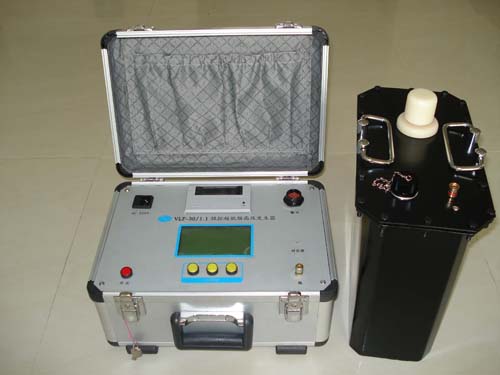
It helps technical personnel evaluate the working status of lightning protection elements, ensuring their reliable operation in power systems. This type of tester is widely used in power systems, building lightning protection systems, and other occasions requiring lightning protection. Below is an article about lightning protection element testers, covering their basic concepts, working principles, application scenarios, and usage precautions.
Overview of Lightning Protection Element Tester
Definition and Function
A lightning protection element tester is a specialized device used to detect the performance of lightning protection elements such as surge arresters, surge protective devices (SPD), and lightning protection modules. Through these testers, technical personnel can evaluate the electrical parameters of lightning protection elements, such as the leakage current of varistors (MOV), voltage protection rating (VPR), residual voltage, etc., to ensure that the lightning protection elements can work properly when subjected to lightning strikes or overvoltages.
Importance
Lightning protection elements play a crucial role in power systems, buildings, and other important facilities, effectively preventing equipment damage and personal injury caused by lightning. Regular testing with lightning protection element testers is essential to ensure the effectiveness of lightning protection systems.
Working Principle
Testing Methods
Lightning protection element testers typically use the following testing methods to detect different characteristics of lightning protection elements:
Leakage current test: Measures the leakage current of the lightning protection element under normal operating voltage to evaluate the insulation performance of the element.
Voltage protection rating test (VPR): Measures the voltage protection level of the lightning protection element under a specific impulse voltage, i.e., the maximum voltage the element can withstand.
Residual voltage test: Under simulated lightning current impact, measures the residual voltage across the lightning protection element to evaluate its performance during a lightning strike.
Withstand voltage test: Tests the ability of the lightning protection element to withstand voltages higher than the normal operating voltage.
Operating Procedure
Connect test leads: According to testing requirements, connect the tester to the corresponding terminals of the lightning protection element.
Set parameters: Set the tester's parameters, such as test voltage and current, according to testing requirements.
Execute test: Start the test program, either automatically or manually.
Read results: Read the characteristic parameters of the lightning protection element from the tester.
Record data: Record test results, including leakage current, voltage protection rating, residual voltage, and other data.
Application Scenarios
Lightning protection element testers are widely used in multiple fields:
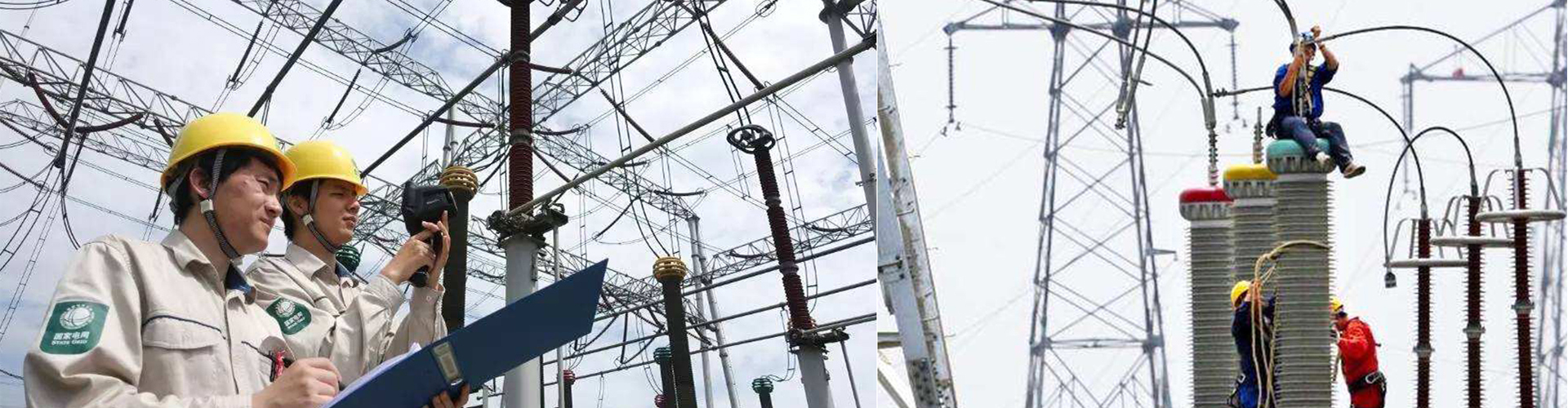
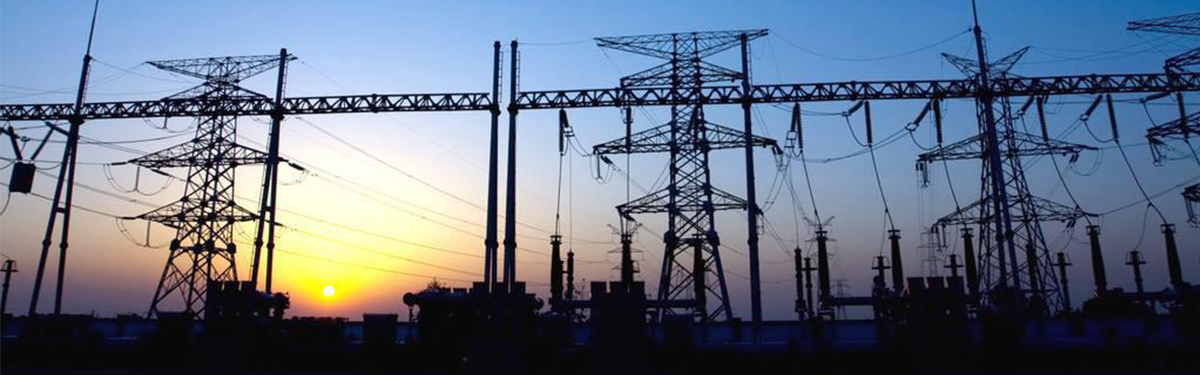
Power systems: Used to detect lightning protection elements in power facilities such as substations and transmission lines.
Building lightning protection: Used to test the performance of building lightning protection systems to ensure they work properly during thunderstorm seasons.
Industrial facilities: Used to detect lightning protection equipment in important facilities such as factories and data centers.
Research institutions: Used to study new developments in lightning protection technology and test the performance of new lightning protection elements.
Usage Precautions
Safety first: Ensure the device under test is powered off before testing and take necessary safety protective measures.
Correct connection: Carefully read the equipment manual to ensure the test leads are correctly connected to the corresponding terminals of the lightning protection element.
Regular calibration: Regularly calibrate the tester to ensure the accuracy of test results.
Environmental factors: Pay attention to the temperature and humidity of the testing environment to avoid extreme conditions affecting measurement results.
Complete records: Record detailed data for each test, including test date, time, environmental conditions, etc., for future reference.
Development Trends
With technological advancements, lightning protection element testers are continuously improving and perfecting:
Intelligence: Integrating more sensor technologies to achieve remote monitoring and data analysis.
Portability: Designing more compact and lightweight for easy field operation.
Multifunctionality: In addition to basic characteristic tests, other functions such as fault diagnosis and online monitoring are added.
High precision: Adopting advanced measurement technologies to improve testing accuracy and reduce errors.
In summary, the lightning protection element tester is an important tool to ensure the safe and reliable operation of lightning protection systems in power systems, buildings, and other important facilities. With the development of technology, future testers will become more intelligent, portable, and have higher testing accuracy, better serving the maintenance and management of lightning protection systems.