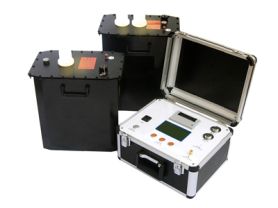
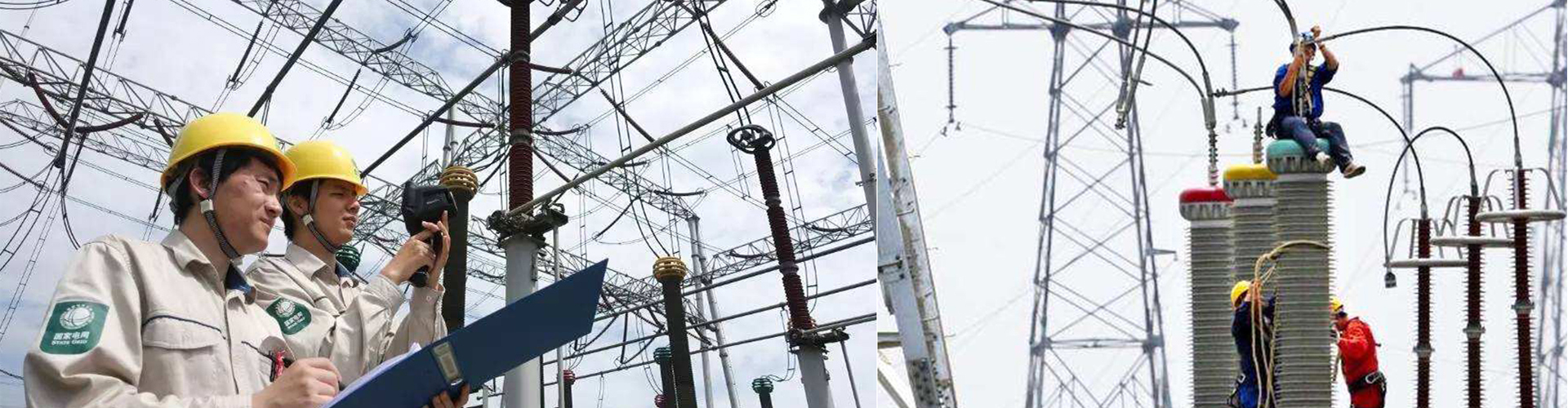
As a crucial component in the power grid, the safety and reliability of power transformers directly affect the stable operation of the entire power system. Partial discharge is one of the main causes of insulation aging and damage in transformers. Therefore, regular monitoring using a transformer partial discharge tester has become an important means of preventing transformer faults. This article will detail the working principle, features, application scenarios, and usage methods of the transformer partial discharge tester.
Working Principle
The transformer partial discharge tester primarily evaluates the insulation condition by capturing various signals generated by partial discharges inside the transformer. These signals include but are not limited to electromagnetic radiation (UHF), acoustic waves (ultrasonic AA), transient earth voltages (TEV), and pulse currents. The tester is typically equipped with multiple sensors, such as ultrasonic sensors, TEV sensors, and UHF sensors, to detect different types of signals.
Main Features
Multi-functional detection: Equipped with multiple detection modes such as TEV, UHF, AA, AE, and HFCT, it can comprehensively assess the insulation condition of transformers.
High-precision measurement: Capable of accurately measuring the intensity and frequency characteristics of partial discharges, aiding in precise fault severity assessment.
Portable design: Many modern testers are designed as handheld devices for ease of use in the field.
Intelligent analysis software: Built-in analysis software can automatically identify the type of partial discharge and provide detailed analysis reports.
User-friendly operation: The interface is user-friendly, allowing even non-professionals to quickly learn how to use it.
Application Scenarios
The transformer partial discharge tester is widely used in the following areas:
Power systems: Regular testing of transformers in substations to ensure long-term reliable operation.
Manufacturing: Quality inspection of newly produced transformers during the manufacturing process.
Research institutions: Used for research on transformer insulation materials and structures.
Equipment maintenance: Periodic preventive maintenance of installed transformers.
Usage Method
Here are the general steps for using a transformer partial discharge tester:
Preparation: Ensure the tester is fully charged and correctly connect all accessories according to the instructions.
Select detection mode: Choose the appropriate detection mode based on the type of transformer to be tested.
Calibration: Follow the instructions to complete the calibration procedure to ensure accurate measurement results.
Connect sensors: Connect the sensors to the tester and ensure good contact between the sensors and the transformer.
Data acquisition: Move the sensors around the transformer to capture any partial discharge signals that may be present.
Data analysis: Use the built-in software to analyze the captured data and identify the characteristics of partial discharges.
Record results: Record the test results and generate reports as needed for further analysis or action.
Conclusion
The transformer partial discharge tester is crucial for ensuring the stable operation of the power system. With continuous technological advancements, these devices will become more intelligent and integrated, providing users with more efficient and accurate services. Regular testing with a transformer partial discharge tester not only extends the lifespan of transformers but also effectively reduces power outages caused by faults.