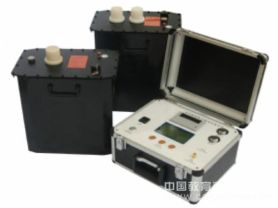
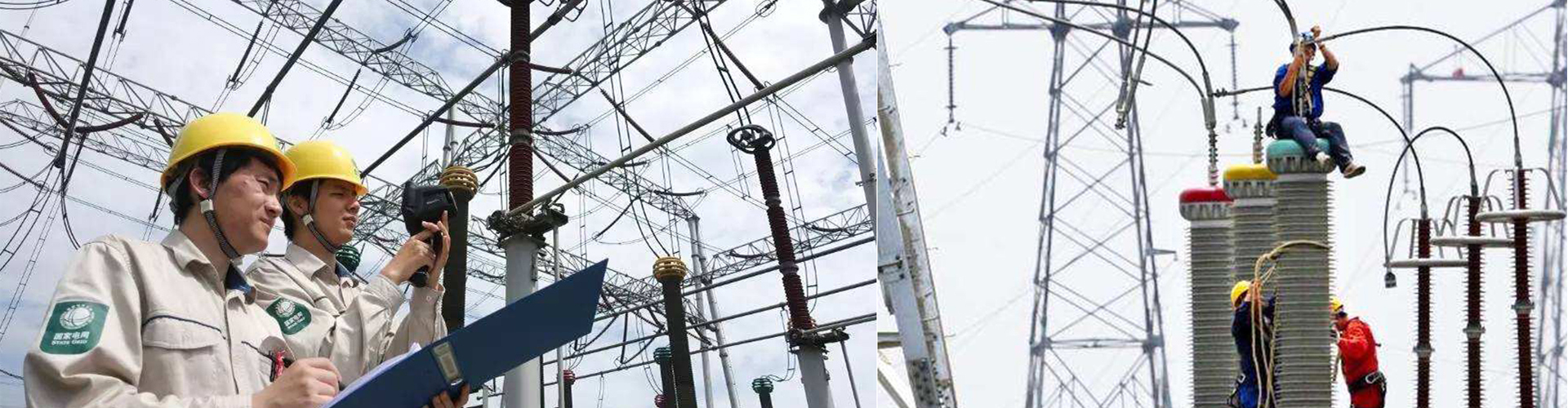
The digital high-voltage wireless phase verifier is a high-tech detection tool developed by the power industry to ensure phase consistency before high-voltage lines and equipment are integrated into the grid. It utilizes wireless communication technology to accurately measure the phase difference without physical contact with high-voltage lines, determining whether two lines are in phase, thereby effectively preventing grid integration accidents. This article will delve into the working principle, technical parameters, usage methods, and application value of the digital high-voltage wireless phase verifier in power systems.
1. Working Principle and Technical Parameters
The digital high-voltage wireless phase verifier employs radio frequency transmission technology to detect the phase angle of high-voltage lines through a real-time comparison device. Its core technical parameters include:
Phase difference accuracy: error ≤5°, ensuring measurement precision.
Frequency accuracy: ±0.1HZ, suitable for detecting standard frequencies in power systems.
Voltage measurement range: from 1V to 220kV, covering a wide range of power system voltage levels.
Wireless transmission distance between transmitter and receiver: typically 50m, customizable up to 200m to meet different scenario requirements.
Operating frequency: 50Hz, matching the frequency of most global power systems.
2. Usage Methods and Precautions
To use the digital high-voltage wireless phase verifier for phase detection, follow these steps:
Check the equipment: ensure the instrument is intact, battery is fully charged
Install the antenna: correctly install the antenna according to the device manual, preparing for wireless signal transmission.
Operate the instrument: press the POWER button to turn on/off, connect the sensor to the high-voltage line.
Perform phase verification: maintain a safe distance, use the receiver to receive signals from the transmitter, and observe phase differences.
Read results: based on the displayed phase angle and frequency, determine whether the two lines are in phase.
Precautions during use:
Do not open the instrument arbitrarily to avoid affecting its precision.
Regularly replace batteries to ensure normal operation.
Store in a dry, room-temperature environment, avoiding moisture and high temperatures.
The insulating rod should undergo a withstand voltage test before use to ensure its insulation performance.
3. Application Value
The digital high-voltage wireless phase verifier has significant application value in power systems:
Enhanced safety: wireless operation avoids direct contact with high-voltage lines, reducing safety risks for operators.
Increased efficiency: long-distance wireless communication reduces on-site operation time and improves detection efficiency.
Ensured system stability: precise phase detection prevents grid integration accidents caused by phase mismatch, ensuring safe operation of the power system.
4. Conclusion
As an important guarantee for safe grid integration of power systems, the digital high-voltage wireless phase verifier, through its widespread application in power engineering practice, not only enhances the safety and stability of power systems but also promotes technological progress in the power industry. With the continuous development of power technology, the digital high-voltage wireless phase verifier will continue to play a key role in the maintenance and construction of power systems, contributing to the sustainable development of the power industry.