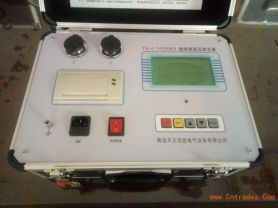
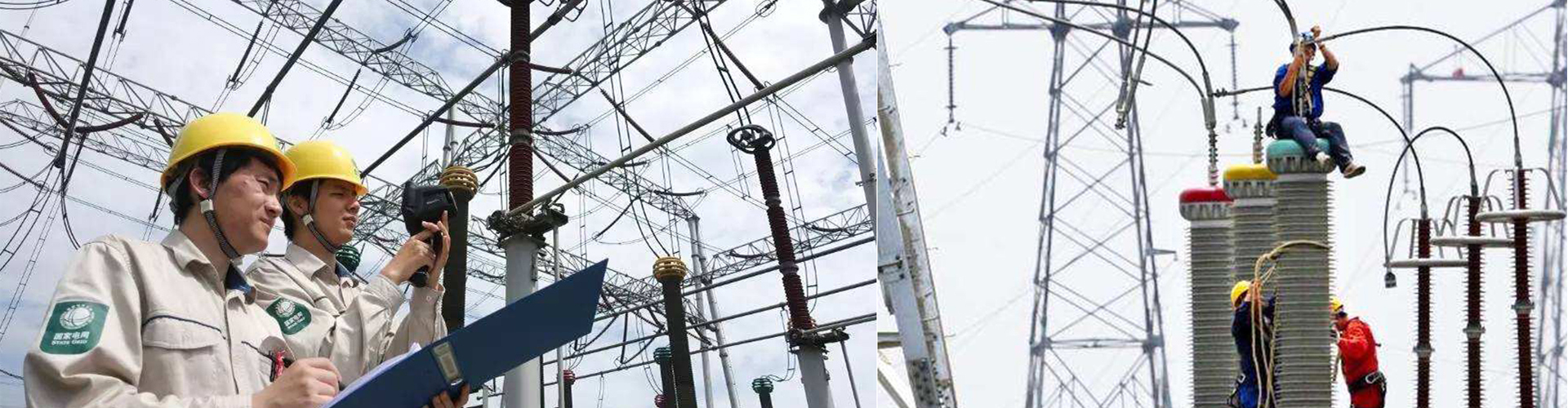
Transformers are crucial equipment in the power system, and their performance directly affects the stability and efficiency of power supply. The Transformer Capacity Characteristic Tester, as a high-precision measurement tool, is specifically used to evaluate the capacity, loss parameters, and other key characteristics of transformers, making it an important component in power system maintenance, fault diagnosis, and asset management. This article will delve into the functions, working principles, application scenarios, and operating methods of the Transformer Capacity Characteristic Tester.
Functions and Features
The Transformer Capacity Characteristic Tester has the following main functions and features:
Capacity Testing: Measures the actual capacity of the transformer to verify whether the capacity indicated on the nameplate is accurate, helping power companies determine if the transformer is being used illegally beyond its rated capacity.
No-load and Load Testing: Passively measures the no-load current, no-load loss, short-circuit voltage, short-circuit loss, and zero-sequence impedance of the transformer to evaluate its efficiency and health condition.
Waveform Distortion Correction: Automatically corrects measurement errors caused by harmonics to ensure data accuracy.
Temperature and Voltage Correction: Compensates for the effects of ambient temperature and voltage fluctuations on measurement results, improving measurement precision.
Built-in Power Supply: Some models of the tester come with a built-in high-efficiency battery, allowing testing without an external power source, especially suitable for on-site operations.
Data Recording and Analysis: Records measurement data, supports historical data query, and facilitates subsequent analysis and report generation.
Working Principle
The Transformer Capacity Characteristic Tester works based on the measurement of hysteresis loss and eddy current loss in transformers. When alternating current passes through the transformer, the direction and magnitude of the magnetic flux lines in the silicon steel sheets change with the current, leading to hysteresis loss and eddy current loss. The tester measures these losses through precision circuits and, combined with the transformer's voltage, current, and frequency parameters, calculates the transformer's capacity and loss characteristics.
Application Scenarios
The Transformer Capacity Characteristic Tester is widely used in daily inspections, fault troubleshooting, asset management, and renovation projects of power companies, including but not limited to:
Acceptance of New Transformers: Conducting capacity and performance tests before transformer installation to ensure they meet specifications.
Monitoring of In-service Transformers: Regularly testing the performance of transformers in the grid to promptly detect potential faults.
Evaluation of Second-hand Transformers: Assessing the actual condition and remaining lifespan of old transformers when purchasing or leasing them.
Grid Expansion Planning: Providing data support for grid upgrades and expansions to ensure that power supply capacity meets growing demand.
Operating Methods
Operating the Transformer Capacity Characteristic Tester typically involves the following steps:
Parameter Setting: Set the relevant parameters of the tester according to the type and specifications of the transformer to be tested, such as voltage level, connection method, etc.
Connecting the Tester: Connect the probes or clamps of the tester to the corresponding terminals of the transformer, ensuring a secure connection.
Executing the Test: Start the tester, follow the on-screen prompts to operate, and wait for the test to complete.
Reading Data: Read the test results from the tester's display, including capacity, losses, and other characteristic parameters.
Data Analysis: Compare the test data with the standard parameters of the transformer to evaluate its performance and health condition.
Conclusion
The Transformer Capacity Characteristic Tester is an indispensable tool in the maintenance and management of the power industry. It not only accurately evaluates transformer performance but also helps power companies optimize asset management, prevent potential power supply interruptions, and ensure the reliable operation of the power system. With continuous technological advancements, future testers will become more intelligent and portable, providing power engineers with more efficient and precise testing methods.