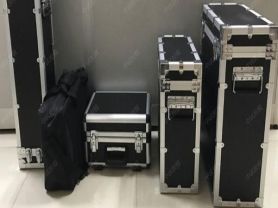
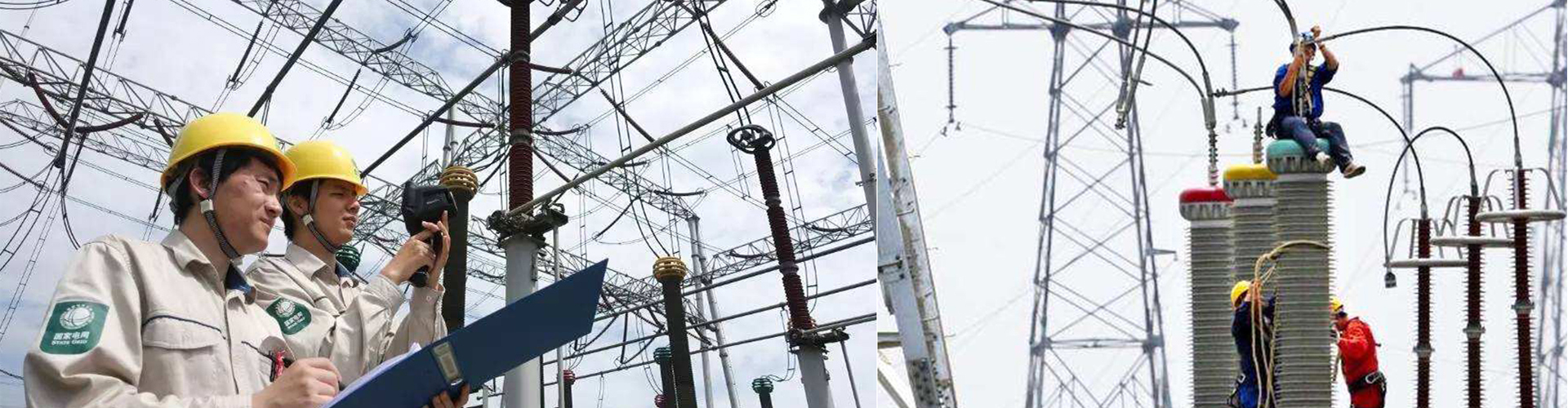
Relay protection is an indispensable part of the power system. It monitors and responds to abnormal conditions in the power network (such as overload, short circuit, ground fault, etc.), quickly isolating the fault area to protect power equipment from damage and maintain the stable operation of the grid. As a professional testing device, the relay protection tester is used to verify the accuracy and reliability of relay protection devices, ensuring that they can correctly execute protection actions in the actual power system.
Working Principle and Functions
The relay protection tester typically consists of a signal generation unit, a signal processing unit, a control unit, and a human-machine interaction interface. The signal generation unit can generate precise and controllable current and voltage waveforms, simulating various normal and fault conditions in the power system. The signal processing unit is responsible for monitoring and analyzing the signals generated during the testing process to determine whether the response of the protection device meets expectations. The control unit is used to set test parameters, including the amplitude, frequency, phase angle of current and voltage, as well as fault types. The human-machine interaction interface allows operators to intuitively control the testing process and view test results.
Test Items
The relay protection tester can perform the following key tests:
Definite time overcurrent protection test: Simulates overcurrent conditions exceeding a predetermined current threshold to verify whether the protection device can operate within the specified time.
Inverse time overcurrent protection test: Simulates overcurrent conditions at different levels to verify whether the operation time of the protection device conforms to the inverse time characteristic curve.
Differential protection test: Tests the response of the differential protection device by simulating current imbalance on both sides.
Distance protection test: Simulates various fault types on the line to test the sensitivity and selectivity of distance protection.
Zero-sequence protection test: Used to detect single-phase ground faults in the power system, ensuring the effectiveness of the zero-sequence protection device.
Synchronization check: Tests the synchronization conditions before grid connection of synchronous generators to ensure grid stability.
Usage Method
The general steps for using a relay protection tester are as follows:
Connect the device: Correctly connect the tester to the input and output ports of the protection device under test.
Set parameters: Set parameters such as current, voltage amplitude, frequency, and phase according to the test purpose.
Execute the test: Start the tester, observe the response of the protection device, and record the test data.
Analyze results: Compare the test results with expected values to evaluate the performance of the protection device.
Precautions
Before conducting high-voltage tests, ensure all safety measures are in place, and operators should wear appropriate personal protective equipment.
Before testing, carefully check the connections between the tester and the device under test to avoid equipment damage caused by incorrect connections.
During use, follow the manufacturer's operating instructions to ensure the accuracy and safety of the test.
Conclusion
The relay protection tester plays a crucial role in the power system. It not only ensures the reliability and effectiveness of relay protection devices but also helps power engineers identify potential problems before faults occur, thereby preventing major accidents. With the continuous development and increasing complexity of the power system, the importance of relay protection testers is growing, and their technology and functions are constantly advancing to meet higher testing standards.