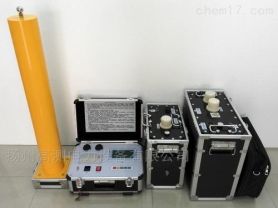
Transformer test transformer, as a high-performance equipment specifically used for testing power equipment, plays a crucial role in the power system. They can provide high voltage or large current to evaluate the electrical performance and stability of power equipment. This article will delve into the characteristics, working principles, and applications of test transformers in the power industry.
Working Principle and Characteristics
The basic working principle of a test transformer is similar to that of an ordinary power transformer, both based on the law of electromagnetic induction. However, test transformers are specially designed to generate high voltage or large current to simulate extreme conditions during the testing of power equipment. They typically have the following characteristics:
High Output Voltage: Capable of producing high voltage outputs ranging from thousands of volts to several megavolts, suitable for various power equipment testing needs.
Precise Voltage Regulation: Through fine adjustment mechanisms, precise control of output voltage can be achieved, ensuring consistency and accuracy of test conditions.
Stability and Reliability: Test transformers are designed with a focus on output stability, maintaining stable output voltage even during prolonged continuous operation, ensuring test reliability.
Environmental Adaptability: They can operate under a wide range of temperature and humidity conditions, ensuring effective testing in various environments.
Application Fields
Test transformers have extensive applications in the power system, mainly including:
Power Equipment Testing: Used for testing power transformers, cables, switchgear, insulators, and other power equipment for insulation performance and withstand voltage capability.
Power System Simulation: In power system simulation, test transformers help researchers simulate different voltage levels and operating conditions to evaluate the stability and reliability of the power system.
Fault Simulation and Analysis: Through test transformers, the response of power equipment under fault conditions can be simulated, providing a basis for fault analysis and preventive measures.
Education and Training: In electrical engineering education, test transformers are used to demonstrate the working principles and testing methods of power equipment.
Laboratory and Field Applications
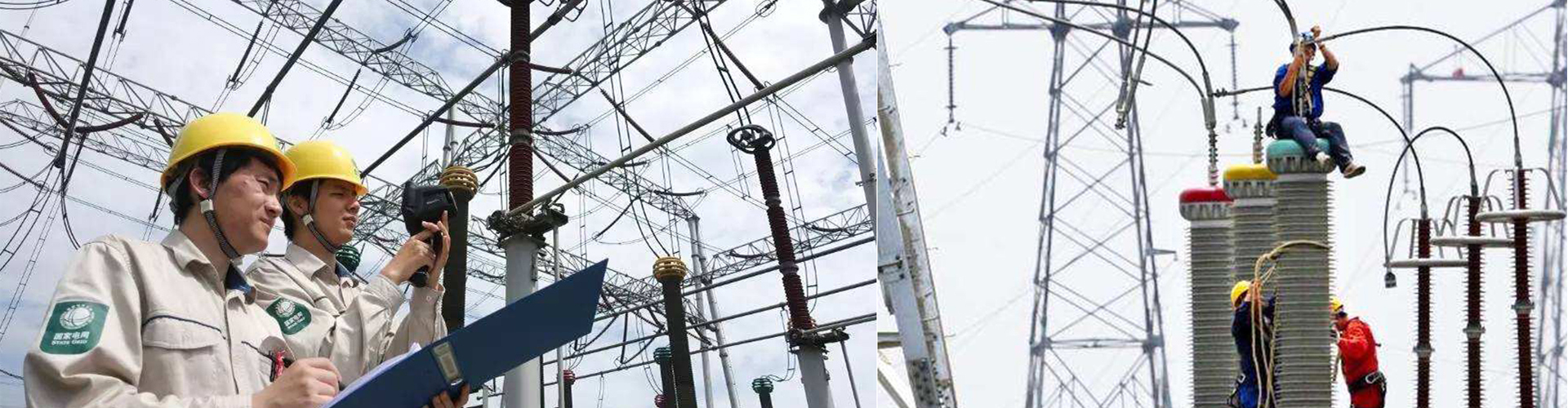
Test transformers are not only used for precise power equipment testing in laboratories but are also often brought to the field for direct equipment inspection. In power plants, substations, and large industrial facilities, test transformers are frequently used for routine maintenance checks to ensure power equipment is in good working condition and to avoid potential electrical faults.
Conclusion
As the cornerstone of power system testing and maintenance, test transformers play an irreplaceable role in performance evaluation, fault analysis, and prevention of power equipment. With the development of the power industry and technological advancements, the design and functionality of test transformers are continuously evolving to meet higher testing standards and more complex application scenarios. In the future, test transformers will continue to serve as important tools for ensuring the safety and efficiency of power systems.