Main Functions and Technologies
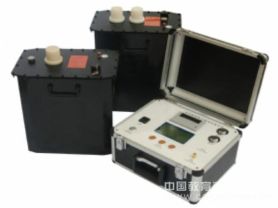
Low-resistance fault detection: Suitable for detecting short circuits or low-impedance faults in cables.
High-resistance fault detection: Capable of identifying high-resistance faults caused by aging or damage to insulation materials.
Open circuit fault location: Determines the specific location of a break by sending signals and analyzing reflected waveforms.
Partial discharge detection: Some advanced cable fault testers also have partial discharge detection capabilities, which can provide early warnings of potential insulation issues.
Common Technical Principles
Time Domain Reflectometer (TDR): Based on the principle that signals reflect when encountering impedance changes during propagation along a cable. By analyzing the time difference between the transmitted pulse and the reflected pulse, the location of the fault can be calculated.
Bridge method: Utilizes the principle of bridge balance to measure differences in cable resistance, thereby determining the type and approximate location of the fault.
High-voltage flashover method: Suitable for high-resistance faults, it involves applying high voltage to the cable until the fault point breaks down, then locating the fault based on discharge sound or electromagnetic signals.
Application Fields
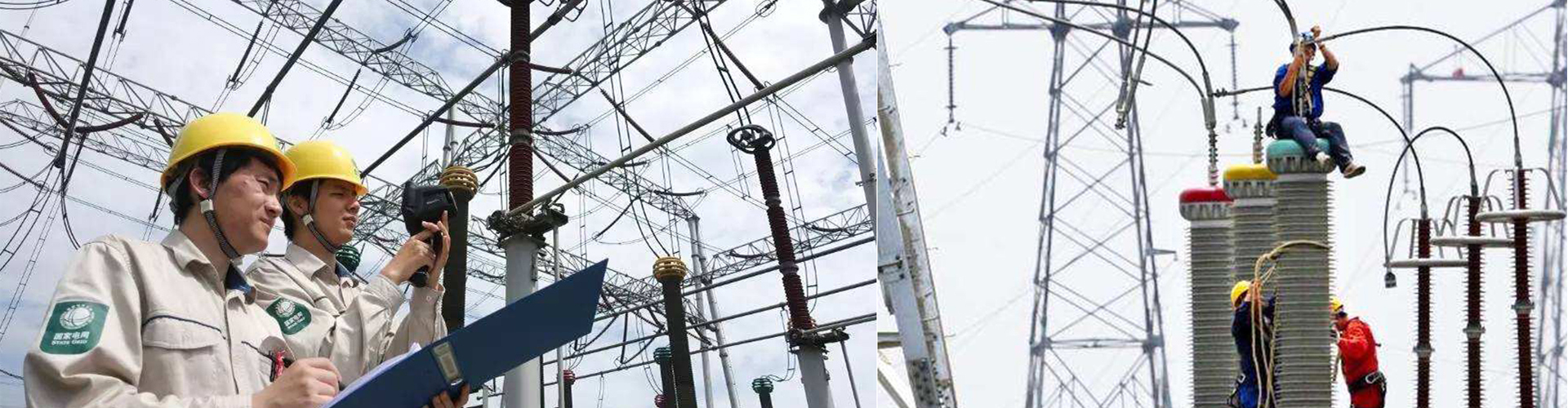
Power systems: Used to detect faults in power cables within transmission and distribution networks, ensuring the safety and stability of power supply.
Communication industry: Tests optical fibers and copper cables to ensure the quality and reliability of data transmission.
Industrial manufacturing: In factory automation systems, it is used to maintain various control cables and signal cables.
Example Usage Steps
Preparation: First, understand the basic information of the cable to be tested, including length, model, etc., and ensure that both ends of the cable are in an open circuit state.
Connecting the tester: Correctly connect the cable fault tester to one end of the cable and set relevant parameters according to the device manual.
Executing the test: Start the test program, observe the waveform or readings on the screen, and record any abnormal phenomena.
Data analysis: Based on the test results and the actual installation conditions of the cable, preliminarily determine the approximate location of the fault point.
On-site verification: Go to the suspected fault location for field inspection to confirm the specific cause and location of the fault.
Conclusion
With the continuous improvement of social requirements for power supply and communication service quality, the importance of cable fault testers is increasingly prominent. They not only help quickly locate faults and reduce repair time but also prevent potential future problems, greatly improving the reliability and safety of cable networks. For professionals engaged in power maintenance and communication engineering, mastering the operation skills of cable fault testers is one of the important links to ensure the normal operation of the system. In the future, with technological advancements, cable fault testers will become more intelligent and portable, providing users with more efficient services and support.
Please note that the specific operation procedures and precautions should refer to the product manual of the cable fault tester being used or follow relevant industry standards. Correct operation not only improves work efficiency but also effectively avoids safety accidents.