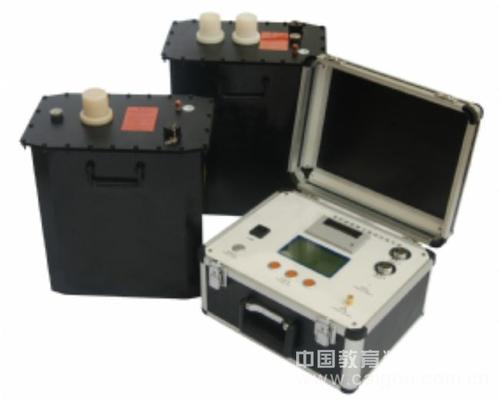
Lightning protection component tester is a professional instrument specifically used to detect and evaluate the performance of various lightning protection equipment and components. Such testers are crucial for ensuring that electrical systems and their components can effectively withstand lightning strikes, protect personnel safety, and prevent equipment damage. The following is a detailed introduction to the lightning protection component tester:
Main Functions
Varistor (VDR/Varistor) Testing: Measure the response characteristics of varistors under different voltages, including key parameters such as starting voltage and leakage current.
Gas Discharge Tube (GDT) Testing: Evaluate performance indicators such as breakdown voltage, holding voltage, and insulation resistance of gas discharge tubes.
Transient Voltage Suppression (TVS) Diode Testing: Test important parameters of TVS diodes, including maximum reverse working voltage, peak pulse power, and clamping voltage.
Resettable Fuse (PPTC) Testing: Check the action time and recovery time of resettable fuses to ensure they provide effective protection under overcurrent conditions.
Application Scenarios
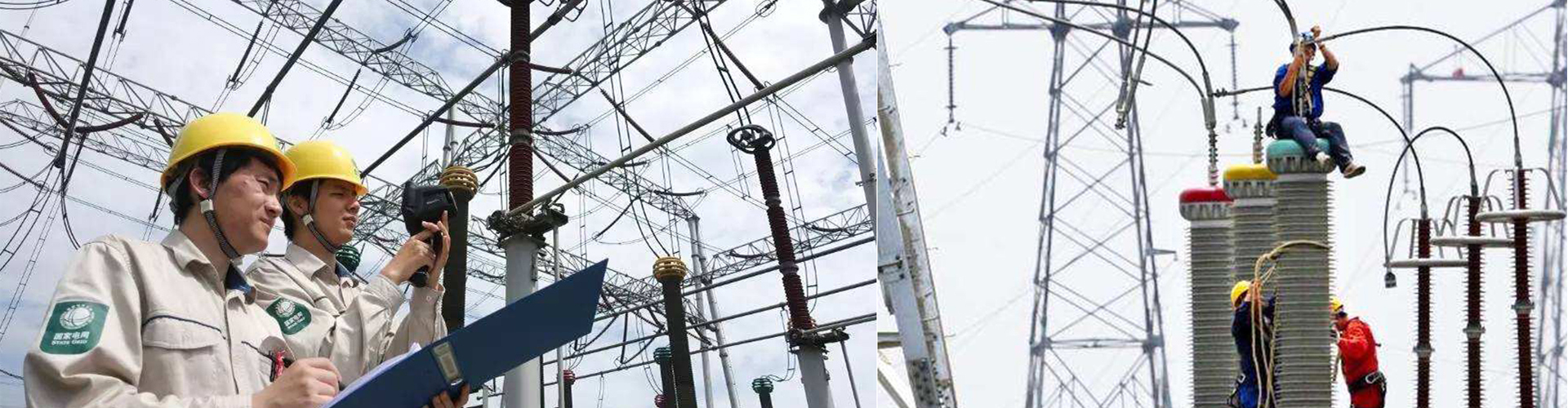
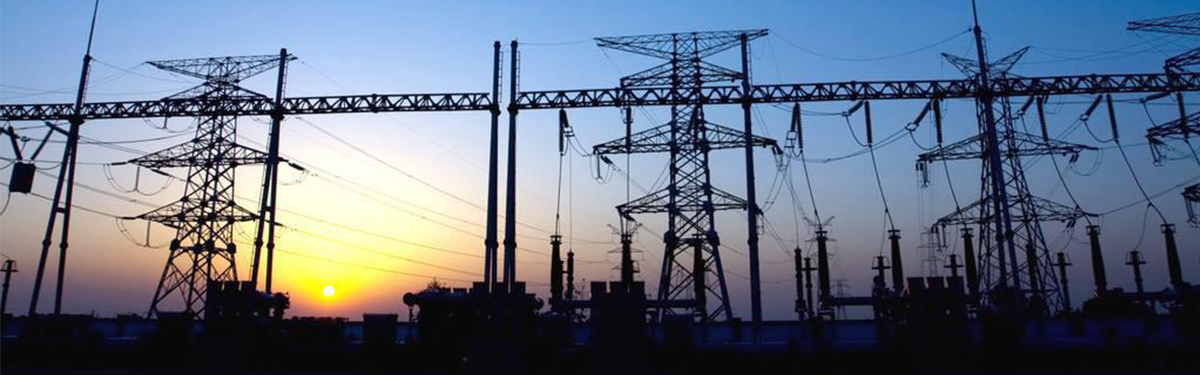
Power System Maintenance: Regularly test lightning protection devices installed in substations and transmission lines to ensure their normal operation.
Communication Base Station Inspection: Monitor the status of lightning protection components on communication towers and other critical communication facilities to ensure the stability of communication networks.
Building Lightning Protection Systems: Used during the design and construction phases of building lightning protection to verify that lightning protection components meet specification requirements.
Electronic Equipment Manufacturing and Repair: Quality control of lightning protection components inside electronic products during production or after-sales maintenance.
Importance
With the increasing integration of electronic devices, their sensitivity to electrostatic discharge (ESD), electromagnetic interference (EMI), and lightning-induced overvoltages is also rising. Therefore, ensuring the effectiveness of lightning protection components has become an important part of maintaining the reliability and safety of modern electrical systems. By using a lightning protection component tester, one can:
Timely detect and replace failed lightning protection components, avoiding potential safety hazards.
Improve the system's anti-interference capability, reducing downtime caused by external factors.
Extend equipment service life and reduce operating costs.
Technological Advancements
In recent years, the design and technology of lightning protection component testers have made significant progress, such as:
Intelligent User Interface: Adopting touch screen displays and intuitive operation menus, simplifying the user operation process.
Data Recording and Analysis: Capable of automatically storing test results and generating detailed reports for subsequent analysis and archiving.
Portable Design: Considering the needs of on-site testing, modern lightning protection component testers are usually designed to be compact and lightweight, easy to carry to any location requiring testing.
In summary, the lightning protection component tester is a key tool for ensuring that various electrical systems and their components can work stably under adverse weather conditions. Whether for professional technicians or researchers in related fields, mastering and properly using such instruments is crucial. If you have any questions about specific application cases of lightning protection component testers, how to choose a model that suits your needs, or any other related issues, please feel free to ask. I will do my best to provide assistance.