In power systems, cables serve as a crucial medium for electrical energy transmission, and their operational status directly impacts the safety and stability of the power grid. However, due to various reasons (such as aging, mechanical damage, corrosion, etc.), cables may experience faults, which not only affect the reliability of power supply but can also lead to serious safety accidents. As a professional device specifically designed for detecting and locating cable faults, the cable fault tester plays a vital role in maintaining the normal operation of power systems. This article will provide a detailed introduction to the working principles, application scenarios, and importance of cable fault testers.
I. What is a Cable Fault Tester?
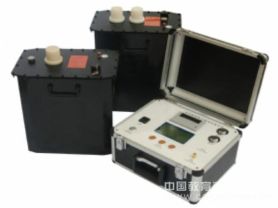
A cable fault tester is a professional device specifically designed to detect fault points in power cables and precisely determine their locations. It works by sending electrical signals and analyzing reflected waveforms to identify issues such as open circuits, short circuits, and ground faults in cables. This testing is crucial for promptly detecting and repairing cable faults, helping to reduce power outage time and improve power supply reliability.
II. Working Principle
The basic principle of cable fault testing is based on techniques such as Time Domain Reflectometry (TDR) or the bridge method:
Time Domain Reflectometry (TDR):
The tester sends a short, high-energy electrical signal (pulse) into the cable.
When the pulse encounters an impedance change in the cable (such as an open circuit, short circuit, or ground fault), a reflected signal is generated.
The tester receives and analyzes the time delay and amplitude changes of these reflected signals to determine the location of the fault point.
Bridge Method:
Utilizing the principle of bridge balance, the circuit is brought to a balanced state by adjusting resistance values, thereby calculating the distance to the fault point.
This method is typically used for detecting low-resistance faults.
Additionally, modern cable fault testers may integrate other advanced technologies, such as acoustic detection and high-voltage impulse discharge, to accommodate the detection needs of different types of faults.
III. Main Functions and Features
High-Precision Location:
Utilizes advanced signal processing techniques and algorithms to provide precise fault point location, with errors typically within a few meters.
Multi-Function Application:
Supports detection of various fault types (such as open circuits, short circuits, ground faults, etc.), suitable for cables of different voltage levels and lengths.
Portable Design:
Lightweight and compact design facilitates on-site testing, meeting outdoor operational requirements.
Data Recording and Analysis:
Supports data storage, review, and export to computers for further analysis.
User-Friendly Interface:
Intuitive operation interface allows even non-professionals to get started easily.
IV. Application Scenarios
Power System Maintenance:
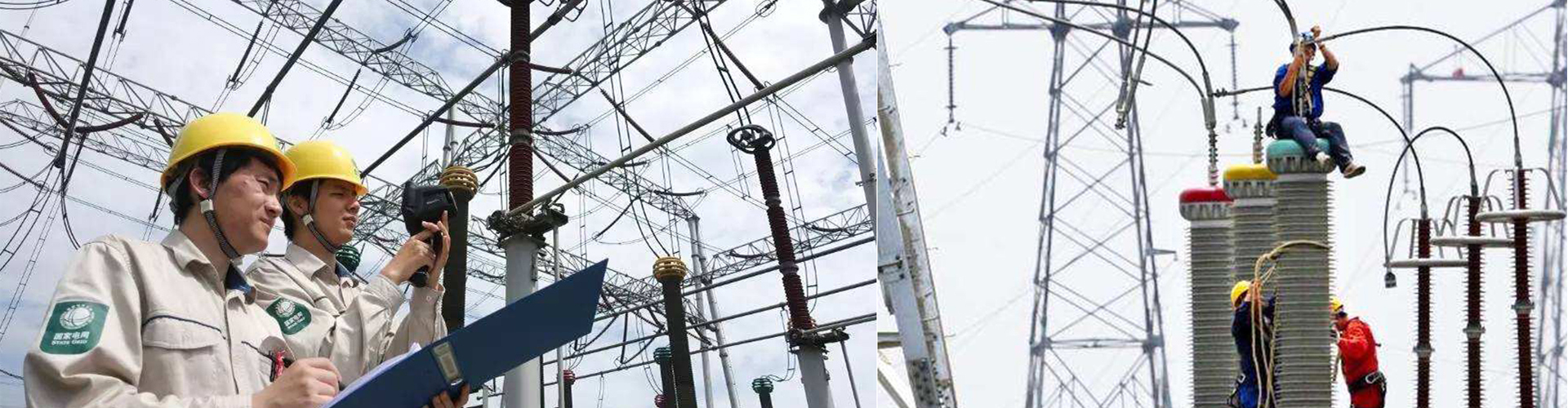
Regular inspection of cables in substations to promptly detect and resolve potential issues, ensuring reliable operation of the power grid.
Industrial Production Environments:
Testing power supply cables in factories to prevent production interruptions or safety accidents caused by cable faults.
Building Electrical Installation:
After the completion of electrical system installation in buildings, cable fault testers are used to verify the integrity of all circuits.
Emergency Response:
When cable faults occur, quickly locate the fault point, shorten repair time, and restore power supply as soon as possible.
V. Selection Considerations
When selecting a cable fault tester, the following factors should be considered:
Applicable Range:
Choose the appropriate equipment model based on the type and length of cables to be tested.
Measurement Accuracy:
Ensure that the selected equipment can provide sufficient measurement accuracy to meet the needs of specific applications.
Ease of Use:
Including factors such as user interface friendliness and portability.
Additional Features:
Such as whether it has automatic diagnostic functions and whether it can interconnect with other devices.
VI. Future Trends
With technological advancements, cable fault testers are continuously evolving. Future trends include:
Intelligent Upgrades:
Introducing artificial intelligence (AI) technology to automatically identify fault types and provide optimization recommendations.
Remote Monitoring Capabilities:
Enabling remote monitoring of the testing process via the internet, facilitating cross-regional collaboration and management.
Enhanced Safety:
Improving automatic discharge and other safety features to further enhance operator safety.
VII. Summary
The cable fault tester is not only an important tool for ensuring the safe operation of power systems and various electrical equipment but also an effective means to improve work efficiency and reduce costs. Whether for manufacturers, maintenance service providers, or research institutions, the rational use of this tool will have a positive impact on their daily operations and maintenance work. With technological development, cable fault testers are becoming increasingly intelligent and convenient, providing users with more comprehensive services. For any occasion that requires strict monitoring of cable health, choosing an appropriate cable fault tester is very necessary. Professional manufacturers such as Yangzhou Dary Electric Co., Ltd. provide high-quality products and services, offering solid guarantees for various industries. This not only helps to promptly detect potential problems but also effectively prevents safety hazards caused by cable faults, ensuring the stable operation of power systems. Choosing a high-quality cable fault tester means choosing quality and trust.