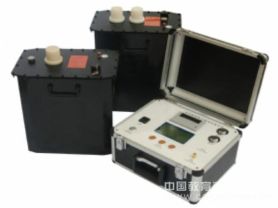
A triple frequency generator device is a specially designed AC equipment used to produce an output at three times the input frequency.
It plays an important role in power system testing, motor performance evaluation, and specific industrial applications. By converting the fundamental frequency to triple frequency, this device can simulate special operating conditions, helping engineers and technicians better understand equipment performance under different circumstances.
I. Working Principle
The core of a triple frequency generator lies in its ability to convert the input AC power into the desired output frequency. This process typically involves the following key steps:
Rectification: First, the input AC is converted to DC.
Inversion: Then, an inverter circuit is used to convert the DC into the required high-frequency AC. During this process, specific control algorithms are employed to generate a signal at three times the input frequency.
Filtering and Adjustment: To ensure the quality of the output waveform, the generated high-frequency signal is usually filtered, and voltage and current levels are adjusted as needed.
II. Main Application Areas
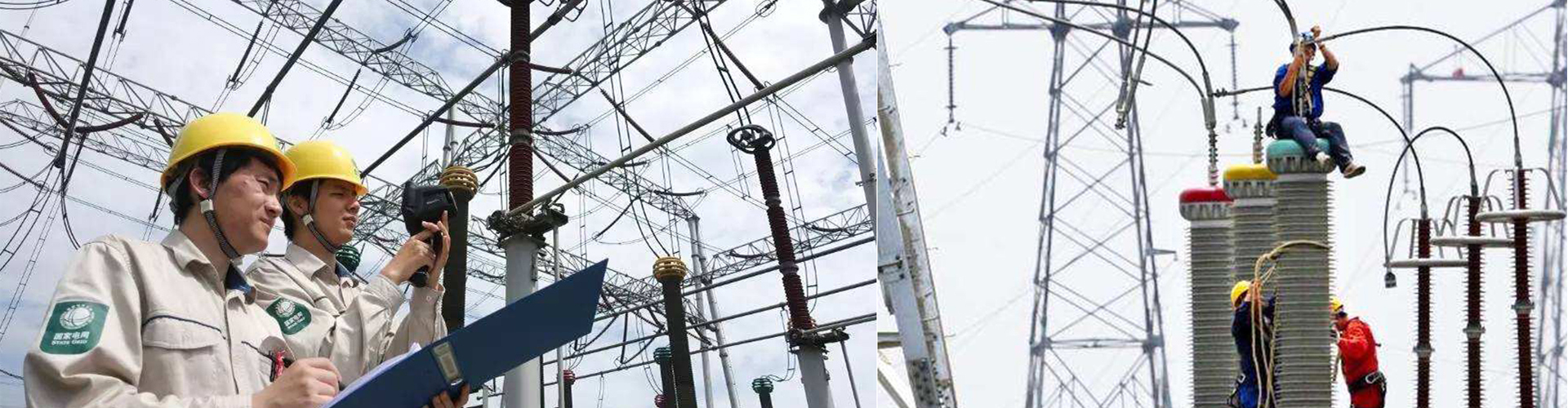
Power System Testing: Used to test the behavior of transformers and other high-voltage electrical equipment under non-standard frequencies, such as harmonic analysis.
Motor Testing: Particularly suitable for testing the dynamic response characteristics of asynchronous motors or synchronous generators under triple frequency conditions.
Scientific Research: Supports experimental needs in fields such as electromagnetic compatibility (EMC) research and material property analysis.
Industrial Manufacturing: In certain specific processes, such as surface treatment or welding, power supplies with frequencies different from the mains may be required.
III. Technical Features
High Precision: Modern triple frequency generators can provide very precise frequency and amplitude control, meeting strict experimental requirements.
Good Stability: They maintain stable output even during prolonged operation, ensuring the reliability of test results.
Versatility: In addition to the basic triple frequency function, many devices also support other frequency ratio options, increasing flexibility of use.
Ease of Operation: Equipped with user-friendly interfaces, making it convenient for technicians to quickly set parameters and start experiments.
IV. Development Trends
With technological advancement, triple frequency generators are continuously evolving and improving:
Intelligence: Integration of intelligent control systems that not only automatically adjust output parameters but also monitor device status in real-time and provide fault warnings.
High Efficiency and Energy Saving: Adoption of new power electronic devices and optimized design schemes to improve energy efficiency and reduce power loss.
Miniaturization and Portability: Development towards smaller size and lighter weight, making field use more convenient.
Network Connectivity: Enabling remote monitoring and data transmission, allowing users to access device information and manage it anytime, anywhere.
Conclusion
As an important electrical testing tool, triple frequency generator devices play a significant role in various fields such as power system testing and motor performance evaluation. By conducting comprehensive and detailed testing of equipment performance under different frequency conditions, it helps enterprises and institutions prevent potential problems and optimize design solutions. Whether you are a professional in electrical engineering or a technician involved in scientific research, understanding the working principle and application scope of triple frequency generators is a valuable skill.
If you wish to learn more specific information about triple frequency generators, including the latest technological advancements or specific application scenarios, please feel free to ask your questions!