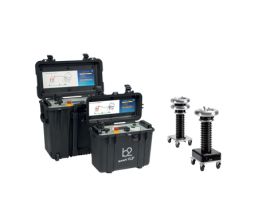
With the development of modern technology, the complexity of electronic devices and power systems is constantly increasing, making the need for lightning protection more urgent. As a specialized instrument for detecting the performance of lightning protection devices, the lightning protection component tester plays a crucial role in safeguarding electrical systems from lightning damage. This article will provide a detailed introduction to the functions, application scenarios, and importance of the lightning protection component tester.
Main Functions
Varistor Testing: Measures the voltage-current characteristic curve of varistors (MOV) to evaluate their response capability under different voltages.
Gas Discharge Tube Testing: Checks parameters such as the ignition voltage, extinction voltage, and insulation resistance of gas discharge tubes to ensure their normal operation.
Diode Testing: Includes measurement of reverse breakdown voltage, leakage current, and other indicators for various protective diodes, including transient voltage suppressors (TVS).
Insulation Resistance Testing: Determines the insulation resistance value between the lightning protection module and other components to prevent safety hazards caused by poor insulation.
Aging Testing: Simulates environmental factors under long-term use conditions, such as temperature and humidity changes, to predict the service life of lightning protection components.
Application Scenarios
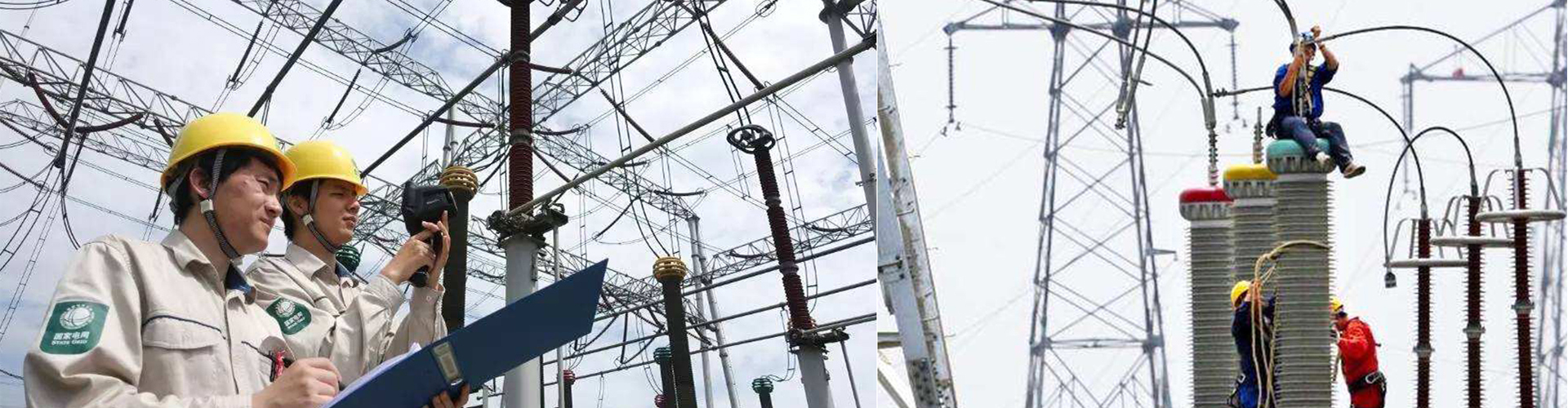
Power Systems: Arresters in substations and transmission and distribution lines require regular testing to ensure their protective effectiveness.
Communication Base Stations: To avoid signal interruption or equipment damage caused by lightning strikes, strict testing of lightning protection facilities within base stations is necessary.
Industrial Control: Factory automation production lines contain a large number of sensitive electronic components, making reliable lightning protection measures essential.
Building Electrical Installation: The lightning protection grounding system of new buildings must undergo professional testing before being put into use.
Importance of Testing
Effective lightning protection measures are an important part of ensuring the stable operation of power systems. Lightning strikes can not only cause direct physical damage but may also lead to electrical fires, data loss, and even personal injury. By using a lightning protection component tester, potential problems can be detected and repaired in a timely manner, preventing accidents. Additionally, regular maintenance and testing can extend the service life of lightning protection equipment and reduce unnecessary replacement costs.
Technology Development Trends
With technological advancements, lightning protection component testers are also continuously evolving:
Intelligence and Portability: New models place greater emphasis on user experience, adopting touchscreen interfaces and lightweight designs for easy field operation.
Multi-function Integration: A single device can complete testing of various types of lightning protection components, simplifying the testing process and improving work efficiency.
Data Analysis and Remote Monitoring: Supports data storage and analysis, and enables remote monitoring via the network, allowing users to stay informed about equipment status anytime, anywhere.
In summary, the lightning protection component tester is not only an effective means of ensuring public safety and property security but also a necessary tool for promoting the healthy development of various industries. With continuous technological innovation and improvement, such instruments will play an even more important role in the future. Whether for professional technicians or ordinary users, understanding and correctly using the lightning protection component tester is crucial.