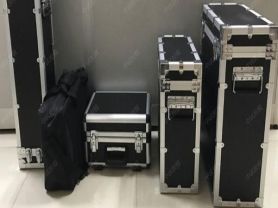
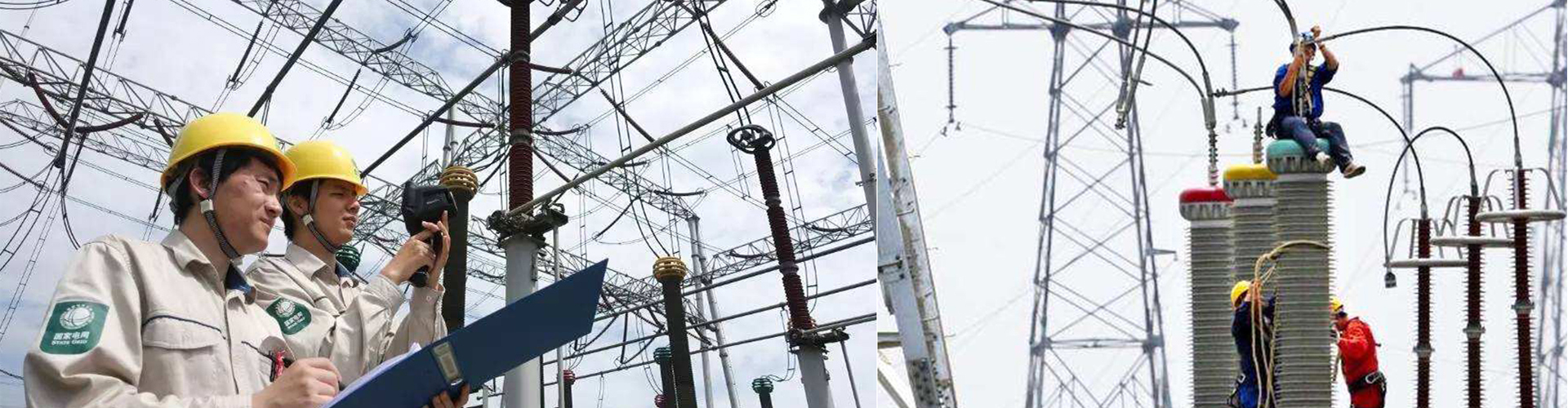
A portable dielectric loss tester is a precision instrument used for on-site evaluation of the insulation condition of electrical equipment. This tester plays a crucial role in the maintenance and fault diagnosis of power systems due to its compact size and portability. This article will explore the working principle, features, applications, and how to select and use a portable dielectric loss tester.
Working Principle of Portable Dielectric Loss Tester
The dielectric loss tester primarily applies an AC voltage to the device under test and measures the resulting current. According to Ohm's law, the current can be decomposed into two components: one in phase with the voltage (representing the resistive loss of the dielectric) and one 90° out of phase with the voltage (representing the capacitive loss of the dielectric). The tangent of the dielectric loss angle (tanδ) is the ratio of these two components, reflecting the degree of dielectric loss. Portable dielectric loss testers typically employ precise measurement techniques and advanced signal processing algorithms to ensure measurement accuracy.
Features of Portable Dielectric Loss Tester
Portability: Compact size and light weight, easy to carry to the field for testing.
Ease of Operation: User-friendly interface, easy to understand and operate.
Versatility: In addition to measuring dielectric loss, it can also test related parameters such as capacitance and resistance.
High Precision: Uses advanced measurement technology to ensure accurate test results.
Data Storage: Built-in large-capacity memory to save a large amount of test data.
Wireless Communication: Supports wireless communication methods such as Bluetooth or Wi-Fi for convenient data transmission and remote monitoring.
Applications of Portable Dielectric Loss Tester
Power Transformers: Monitor the condition of transformer insulating oil and solid insulation materials.
Power Cables: Evaluate the aging degree of cable insulation layers.
Capacitors: Check the dielectric loss of capacitors to ensure their normal operation.
Motors: Evaluate the insulation condition of motor windings.
Switchgear: Monitor the insulation performance of switchgear.
How to Choose a Portable Dielectric Loss Tester
Measurement Range: Choose an appropriate measurement range based on actual needs.
Accuracy: Select a high-precision tester to ensure accurate measurement results.
Ease of Operation: Choose a tester that is easy to operate and maintain.
Durability: Consider the durability and anti-interference capability of the tester.
Additional Features: Consider whether additional features such as data storage and wireless communication are needed.
Steps to Use a Portable Dielectric Loss Tester
Preparation:
Ensure the tester is fully charged or use new batteries.
Prepare auxiliary equipment and connecting cables required for the test.
Connecting the Test Object:
Correctly connect the test object according to its type and the tester's instructions.
Ensure the connection is secure and safe.
Setting Test Parameters:
Set test voltage, frequency, and other parameters according to the requirements of the test object.
Select an appropriate test mode.
Starting the Test:
Start the tester and follow the on-screen prompts.
Monitor the test process to ensure no abnormalities occur.
Recording Test Results:
Read and record the test results.
Analyze the results to assess the insulation condition.
Safe Operation:
Follow safety regulations during the test.
After the test, disconnect the connections and ensure all equipment is turned off.
Data Analysis:
Analyze the measurement results to determine whether the insulation system is normal.
Conclusion
Portable dielectric loss testers play an important role in the maintenance and fault diagnosis of power systems due to their portability and efficiency. By correctly selecting and using this tester, the insulation condition of electrical equipment can be effectively evaluated, ensuring the safe and stable operation of the power system.
I hope this article provides you with detailed information about portable dielectric loss testers. If you need more details or have other specific questions, please feel free to let me know.