Design and Application of High-Current Generators
Introduction
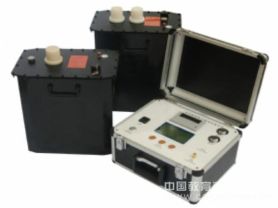
A high-current generator is an electrical device specifically designed to produce large currents, widely used in various fields such as electrical engineering, power system testing, and scientific research. This article will introduce the basic principles, design elements, and application examples of high-current generators in different fields.
Basic Principles
High-current generators typically use the transformer principle, achieving current amplification by changing the ratio of the primary and secondary windings of the transformer. To ensure the safety and reliability of the equipment, corresponding protection circuits and cooling systems are also required.
Key Components
Main Transformer: Used to convert voltage to current.
Power Input Unit: Provides stable power to the equipment.
Control System: Monitors and adjusts the output current to ensure precise control.
Protection Circuit: Prevents faults such as overload and short circuit.
Cooling System: Ensures temperature stability during prolonged operation.
Design Elements
Safety
Overcurrent Protection: Automatically cuts off power when the output current exceeds the set value.
Overheating Protection: Monitors equipment temperature to avoid damage due to overheating.
Insulation Design: Ensures safe distance between high-voltage components and the enclosure.
Reliability
High-Quality Materials: Use materials with high temperature resistance and high conductivity.
Redundant Design: Key components adopt dual backup to improve system stability.
Low-Loss Design: Reduce energy loss and improve efficiency.
Precision
Digital Control: Use high-precision digital controllers for precise current regulation.
Feedback Loop: Ensure stability and accuracy of the output current.
Application Fields
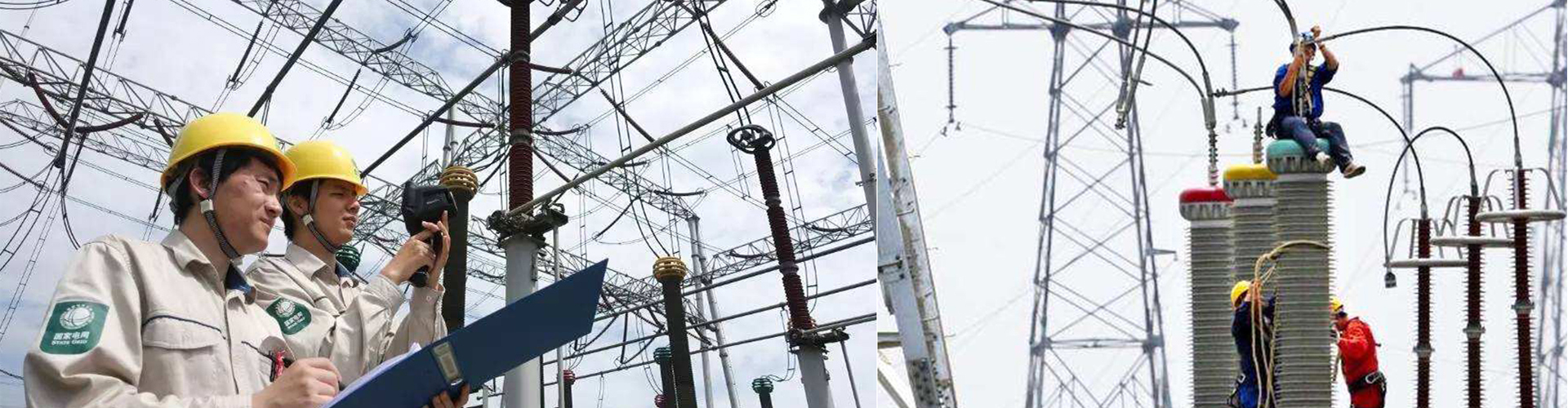
Power System Testing
Circuit Breaker Testing: Simulate overload or short circuit conditions to verify the operating characteristics of circuit breakers.
Relay Testing: Evaluate the response time of relays under high current conditions.
Scientific Research
Material Testing: Study the performance of materials under extreme current conditions.
Electromagnetic Compatibility Testing: Evaluate the anti-interference capability of equipment in strong current environments.
Manufacturing
Welding Equipment Calibration: Ensure that current parameters during welding meet standards.
Motor and Generator Testing: Verify performance of equipment at rated current.
Military and Aviation
Weapon System Testing: Simulate launch conditions to test the reliability of weapon systems.
Avionics Testing: Ensure normal functioning of avionics equipment under extreme current conditions.
Conclusion
High-current generators are one of the indispensable tools in electrical engineering, and their design needs to comprehensively consider factors such as safety, reliability, and precision. With technological advancements, future equipment will become more efficient, intelligent, and capable of functioning in a wider range of scenarios. For users, choosing the appropriate high-current generator and correctly using and maintaining the equipment is crucial.
This article covers the basic principles, design elements, and applications in multiple fields of high-current generators. If you need more detailed information or content on other aspects, please feel free to let me know!