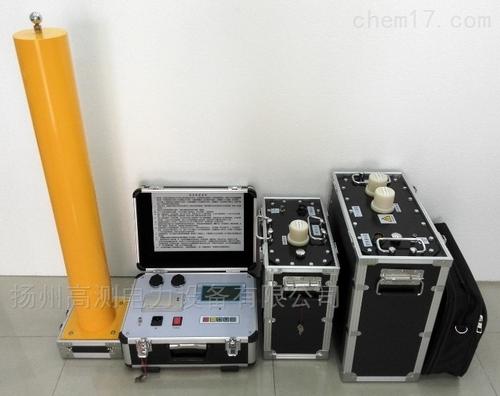
A partial discharge tester is a specialized instrument used to detect and analyze partial discharge phenomena in power equipment. Such instruments play an important role in power system maintenance and fault diagnosis. Below is an overview of an article about partial discharge testers.
Partial Discharge Tester
Overview
A partial discharge tester is an instrument specifically designed to detect partial discharge phenomena in power equipment. By monitoring and analyzing the signals generated by partial discharges, this instrument can help assess the insulation condition of power equipment and potential hidden faults, ensuring the safe operation of the power system.
Concept of Partial Discharge
Partial discharge refers to the localized breakdown phenomenon that occurs inside or on the surface of insulating media in power equipment under the influence of high-voltage electric fields. Although the scope of these discharges is limited, long-term accumulation may lead to aging and damage of insulating materials.
Main Functions
Signal Acquisition: Capture signals such as electromagnetic radiation, acoustic waves, and optical radiation generated by partial discharges.
Data Analysis: Process and analyze the acquired signals through built-in analysis software.
Location Function: Determine the location where partial discharge occurs.
Trend Analysis: Track the development trend of partial discharges to assess the health status of equipment.
Working Principle
The working principle of a partial discharge tester is based on the different physical effects generated by partial discharges. Common detection methods include:
Electromagnetic Method: Capture electromagnetic waves generated by partial discharges through antennas.
Acoustic Method: Use microphones to detect acoustic waves generated by partial discharges.
Optical Method: Use photoelectric sensors to capture optical radiation generated by partial discharges.
Chemical Method: Detect gas components generated by partial discharges.
Usage Steps
Preparation Phase: Select appropriate detection methods based on the type and location of the equipment under test.
Signal Acquisition: Place the tester in an appropriate position and begin signal acquisition.
Data Analysis: Analyze the acquired data through built-in software.
Result Interpretation: Evaluate the insulation condition of the equipment based on the analysis results.
Report Writing: Organize the test results and write a detailed inspection report.
Technical Features
High Sensitivity: Capable of detecting weak partial discharge signals.
Multi-mode Detection: Supports multiple detection methods to meet the needs of different situations.
Intelligent Analysis: Built-in intelligent algorithms can automatically identify partial discharge patterns.
Portable Design: Compact and easy to carry, suitable for on-site use.
Application Scenarios
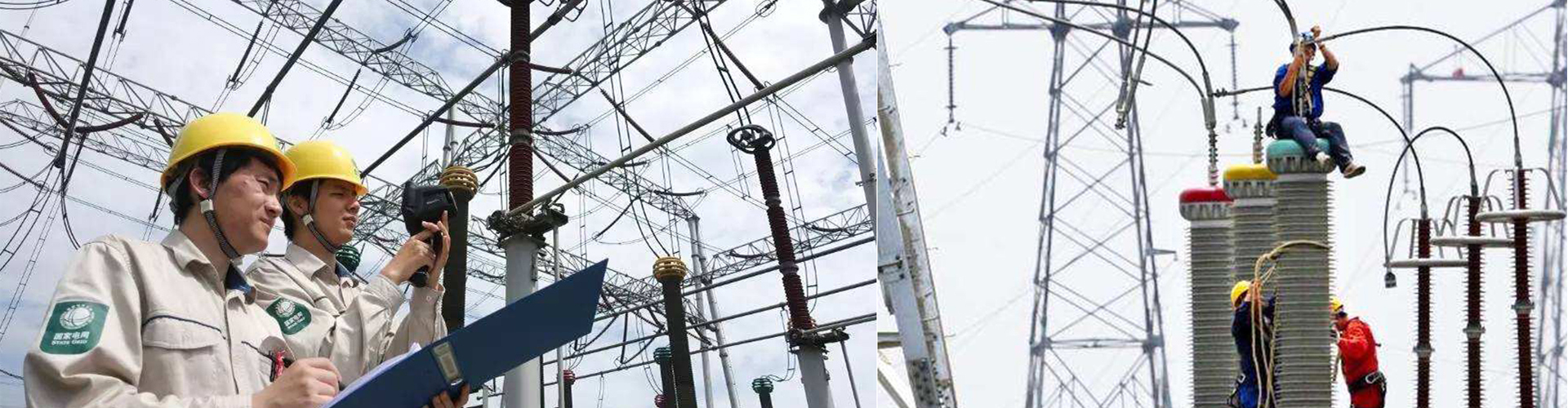
Power Equipment Testing: Regularly conduct partial discharge tests on transformers, cables, generators, and other power equipment.
Fault Diagnosis: Use partial discharge testers to locate fault sources when equipment abnormalities occur.
Quality Inspection: Newly installed or repaired power equipment needs to pass partial discharge tests for acceptance.
Precautions
Safe Operation: Follow safety regulations to ensure the safety of personnel and equipment.
Correct Connection: Connect the tester and the equipment under test correctly according to the instructions.
Environmental Factors: Pay attention to conditions such as temperature and humidity in the test environment to ensure the accuracy of test results.
Conclusion
Partial discharge testers are important tools in power system maintenance and fault diagnosis. By detecting and resolving partial discharge issues early, they can effectively extend the service life of power equipment and ensure the safe and stable operation of the power system.
The above is an overview of partial discharge testers. If you need more detailed information or introductions to specific models, please let me know your specific requirements.