In power systems, lightning is one of the main causes of damage to power facilities. To protect power facilities from lightning strikes, lightning arresters and lightning counters are typically installed at key locations. Lightning counters can record the number of lightning strikes, which is crucial for assessing the health of power facilities and predicting future maintenance needs. Therefore, regular calibration and testing using a lightning counter calibrator has become an important maintenance task.
The Role of Lightning Counters
Definition: A lightning counter is a device used to record the number of lightning strikes, usually installed on lightning rods, arresters, or other lightning protection equipment.
Importance: By accurately recording lightning events, the frequency and intensity of lightning strikes on power facilities can be assessed, providing a basis for maintenance strategies.
Introduction to Lightning Counter Calibrators
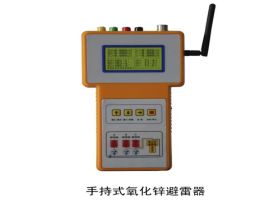
Definition: A lightning counter calibrator is an instrument specifically used to test whether the function of a lightning counter is normal.
Working Principle: By simulating lightning current, it tests whether the lightning counter can respond and count correctly.
Necessity: Regular calibration ensures the accuracy of lightning counters, thereby improving the efficiency and safety of power facility maintenance.
Key Features of Lightning Counter Calibrators
Simulated Lightning: Capable of generating current pulses similar to lightning to test the response capability of lightning counters.
Precision and Reliability: High-precision current simulation ensures accurate and reliable test results.
Ease of Operation: User-friendly interface design facilitates quick mastery by technical personnel.
Data Recording: Automatically records test data for later analysis and maintenance planning.
Application Scenarios
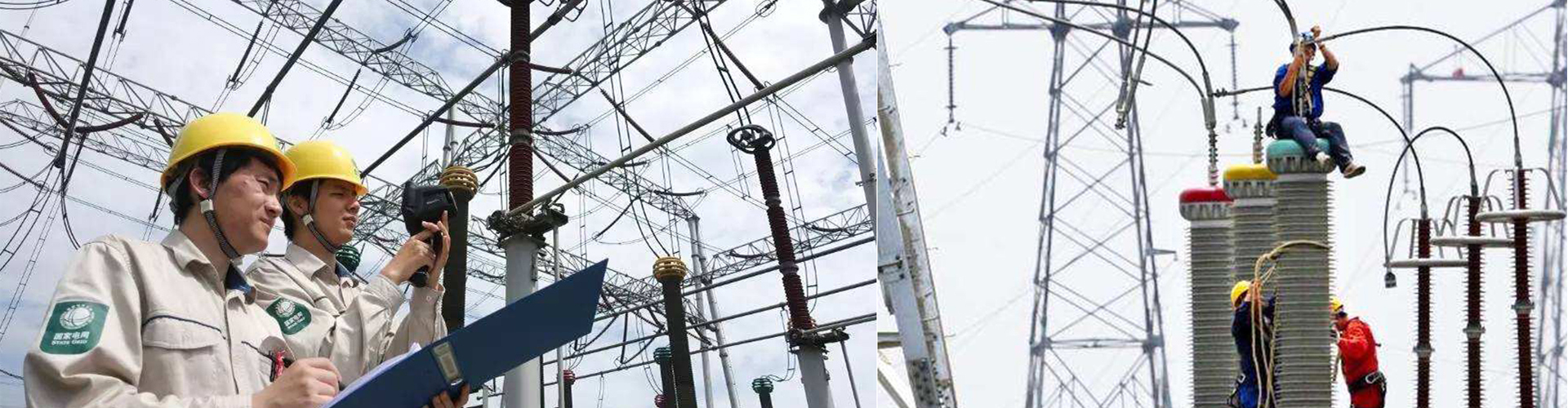
Power Systems: Regularly calibrate lightning counters at key facilities such as substations and transmission lines.
Wind Farms: Calibrate lightning counters on wind turbine towers to ensure the safe operation of wind power facilities.
Building Lightning Protection Systems: Calibrate lightning rods on high-rise buildings to ensure the safety of personnel and property.
Usage Steps
Preparation: Confirm that the lightning counter calibrator is charged or has sufficient battery power.
Connection: Connect the calibrator to the lightning counter to be tested.
Parameter Setting: Set the current magnitude and other relevant parameters according to test requirements.
Execution: Start the calibrator to simulate lightning current for testing.
Result Recording: Observe whether the lightning counter counts correctly and record the test data.
Practical Cases
Case 1: During routine maintenance, a power company used a lightning counter calibrator to test the arresters at a substation and found that several lightning counters failed to count correctly. This prompted the company to promptly replace the faulty counters, avoiding further damage that could have been caused by unrecorded lightning strikes.
Case 2: A wind farm adopted lightning counter calibrators to conduct regular checks on all wind turbine lightning counters and found errors in some counters. Through timely adjustment and maintenance of these counters, the overall safety and operational efficiency of the wind farm were improved.
Conclusion
As an important maintenance tool, the lightning counter calibrator plays an irreplaceable role in the safety management of power facilities. By accurately testing the functional status of lightning counters, it not only improves the maintenance efficiency of power facilities but also effectively prevents accidents caused by lightning strikes, thereby ensuring the stable operation of the power system. With technological development, lightning counter calibrators are continuously improving, providing more precise and effective technical support for safety management in the power industry.
If you need more details or have other specific requirements, please feel free to let me know.