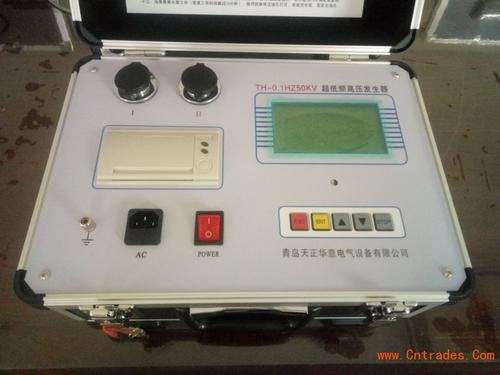
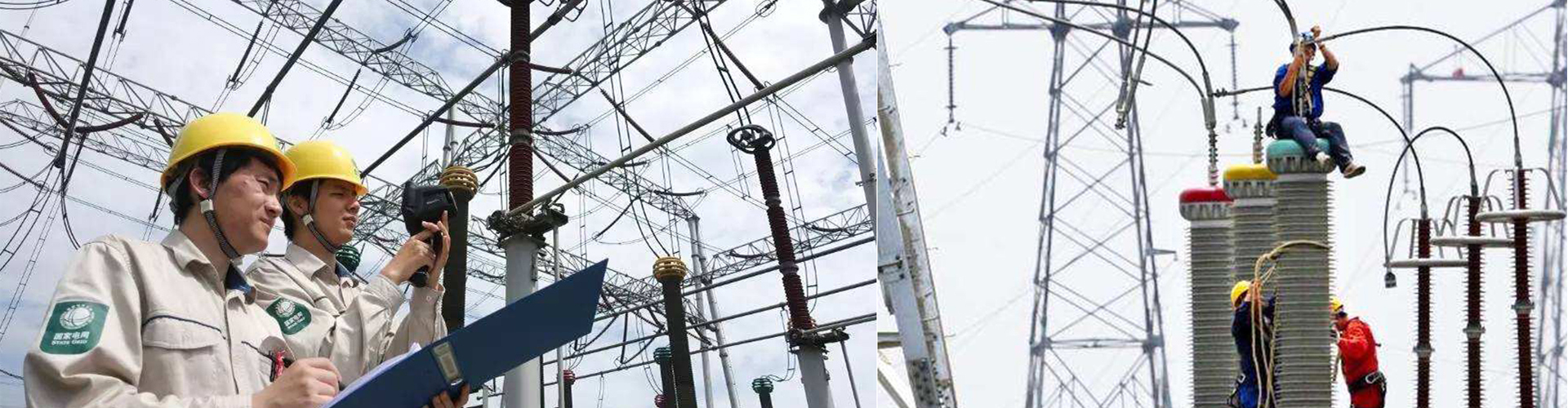
Being able to provide stable current output is a key feature of the high-current generator, which is crucial for ensuring the accuracy of test results. Below is a detailed explanation of this feature:
Importance of Stable Current Output
Ensuring the Accuracy of Test Results:
Constant current output: Stable current output can ensure that the current remains constant during the test, avoiding inaccurate test results due to current fluctuations.
Good repeatability: Stable current output helps to obtain consistent test results, improving the repeatability of tests.
Improving Test Efficiency:
Fast response: Can quickly reach the set current value, shortening test preparation time.
Saving time: In cases where multiple tests are required, stable current output can reduce the number of repeated tests.
Enhancing Test Safety:
Overload protection: The built-in overload protection function can automatically cut off the power when the current exceeds the set value, ensuring the safety of equipment and operators.
Short-circuit protection: Can cut off the current in time when a short circuit occurs at the output end, preventing damage.
Expanding Test Range:
Wide current range: Provides an adjustable current output range to meet different test requirements.
Multiple test modes: Supports various test modes such as timed test and continuous test.
Technical Implementation
Precision Control Circuit:
Feedback control system: Uses a closed-loop feedback control system to monitor the output current in real-time and compare it with the set value, ensuring the stability of the output current.
Temperature compensation: Can automatically adjust the output current during long-term operation to maintain constancy.
High-Quality Power Supply:
High stability power supply: Uses high-quality power modules to ensure the stability and reliability of the power supply.
Filtering technology: Uses filtering technology to reduce power supply noise and improve the purity of the current output.
Efficient Heat Dissipation System:
Forced air cooling: Uses fans for forced cooling to ensure that the equipment does not overheat during long-term operation.
Thermal management: Optimizes thermal design to improve the thermal stability of the equipment.
Application Example
Suppose a power company needs to test a batch of new circuit breakers to ensure they can work properly under high current conditions. In this case, a high-current generator can be used to simulate the current conditions under actual working conditions. For example, choose a high-current generator with a maximum output current of 3000A, connect the circuit breaker to the output end, and set the appropriate current value and test time. By observing the action of the circuit breaker under high current, its performance can be evaluated to see if it meets the requirements.
Since the high-current generator can provide stable current output, the test results will be more accurate and reliable, helping to ensure the safety and reliability of circuit breakers in practical applications.
Precautions
Safe operation: When using the high-current generator, safety regulations must be strictly followed, and appropriate safety measures should be taken.
Environmental conditions: Ensure that the equipment operates under suitable temperature and humidity conditions, avoiding failures caused by overheating or humid environments.
Regular maintenance: Regularly maintain and calibrate the equipment to ensure its stable and reliable performance.