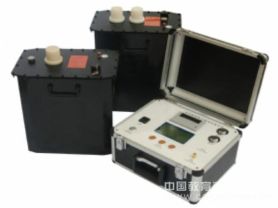
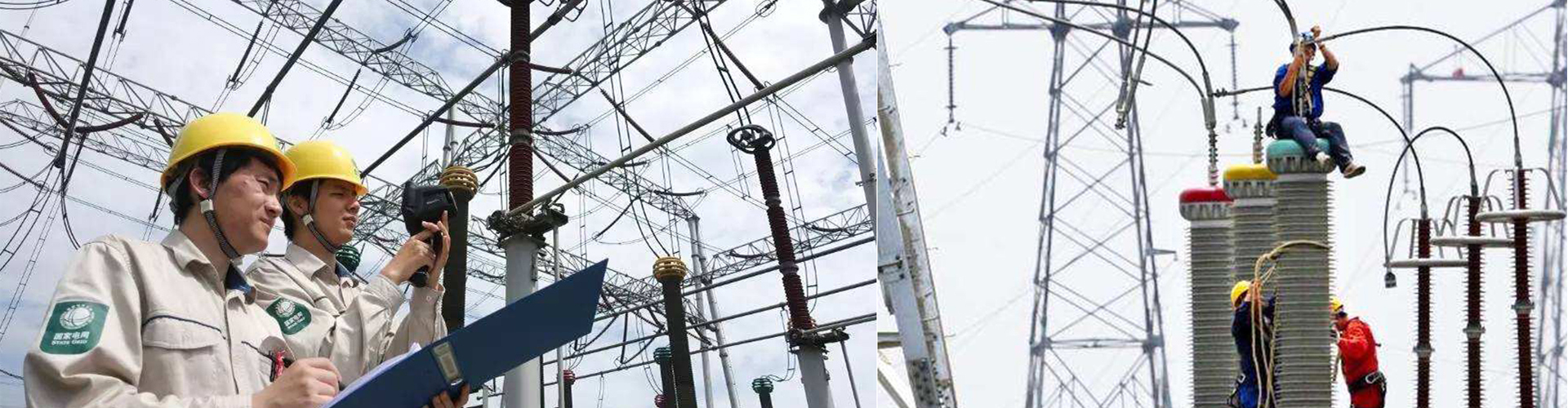
Partial discharge is a common phenomenon in high-voltage electrical equipment, which may lead to a decline in insulation performance and even cause serious faults. As an effective detection tool, the ultrasonic partial discharge detector can help technicians discover these problems in a timely manner, thereby taking preventive measures to ensure the safe and stable operation of the equipment. This article will explore the working principle, characteristics, application scenarios, and usage methods of the ultrasonic partial discharge detector.
Working Principle
The working principle of the ultrasonic partial discharge detector is based on capturing the ultrasonic signals generated by partial discharge inside high-voltage electrical equipment. When partial discharge occurs inside power equipment, a series of physical effects are produced, including ultrasonic waves. These ultrasonic signals can propagate through air or other media. The ultrasonic partial discharge detector captures these signals through built-in sensors, converts them into electrical signals, and then processes the signals through analysis software to determine the type, intensity, and location of the partial discharge.
Main Features
High Sensitivity: Capable of detecting very small partial discharge signals, helping to identify potential problems early.
Portability: Small size and light weight, easy to carry to the site for testing.
Multiple Detection Modes: Supports TEV, UHF, AA, AE, HFCT, and other detection methods, suitable for different application scenarios.
Intuitive Operation Interface: User-friendly interface design makes operation simpler.
Intelligent Analysis Function: Built-in analysis software helps users quickly identify the characteristics of partial discharge.
Application Scenarios
The ultrasonic partial discharge detector is widely used in the following fields:
Power Systems: Used to monitor the insulation status of high-voltage electrical equipment such as transformers, switchgear, and cables.
Manufacturing: Used for health monitoring of electrical equipment on production lines.
Research Institutions: Used for scientific research and technological development.
Usage Methods
The following are the general steps for using the ultrasonic partial discharge detector:
Startup Preparation: Ensure the detector is fully charged and check that all accessories are complete.
Select Detection Mode: Choose the appropriate detection mode according to the type of equipment to be tested.
Calibration: Complete the calibration procedure as instructed in the manual to ensure detection accuracy.
Connect Sensors: Connect the sensor to the detector and ensure good contact between the sensor and the equipment.
Data Collection: Move the sensor around the equipment to capture possible ultrasonic signals.
Data Analysis: Analyze the captured data through built-in software to identify the characteristics of partial discharge.
Record Results: Record the detection results and generate reports as needed.
Conclusion
The ultrasonic partial discharge detector, as an important preventive maintenance tool, plays an irreplaceable role in ensuring the safe and stable operation of high-voltage electrical equipment. With technological advancements, future ultrasonic partial discharge detectors will become more intelligent and integrated, providing users with more efficient and accurate services.