In the power engineering and power equipment manufacturing industry, test transformers play a key role. They are not only used to verify the performance and stability of power equipment, but also to simulate various operating conditions and fault scenarios, ensuring the reliability and safety of the power system. This article will explore the definition, working principle, main characteristics, and applications of test transformers in the power system.
Definition and Working Principle
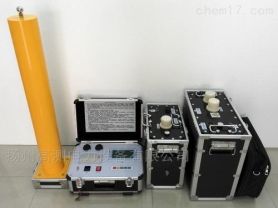
A test transformer is a special power transformer designed to generate high voltage or large current for testing the insulation performance and withstand capability of power equipment. Its working principle is based on the law of electromagnetic induction, achieving voltage transformation by changing the turns ratio between the primary and secondary windings. When an external power supply is applied to the primary winding, a magnetic field is generated in the iron core, which in turn induces an electromotive force in the secondary winding, thereby realizing the conversion of electrical energy.
Main Characteristics
Test transformers have the following notable characteristics:
High Voltage Output: Capable of producing high voltage outputs from a few kilovolts to several million volts, suitable for testing various high-voltage equipment.
Precise Control: With stable output voltage and precise adjustment, ensuring accuracy and consistency of test conditions.
Low Noise: Low noise during operation, conducive to use in laboratory environments.
Wide Frequency Range: Some modern test transformers have a frequency adjustment range from 0.1 Hz to 300 Hz, adapting to various testing needs.
High Precision Measurement: The system measurement accuracy can reach 0.5 level, ensuring the accuracy of test results.
Wide Environmental Adaptability: Can operate in temperatures ranging from -10°C to 45°C, with relative humidity not exceeding 90%, suitable for various climatic conditions.
Application Fields
Test transformers are widely used in the following fields:
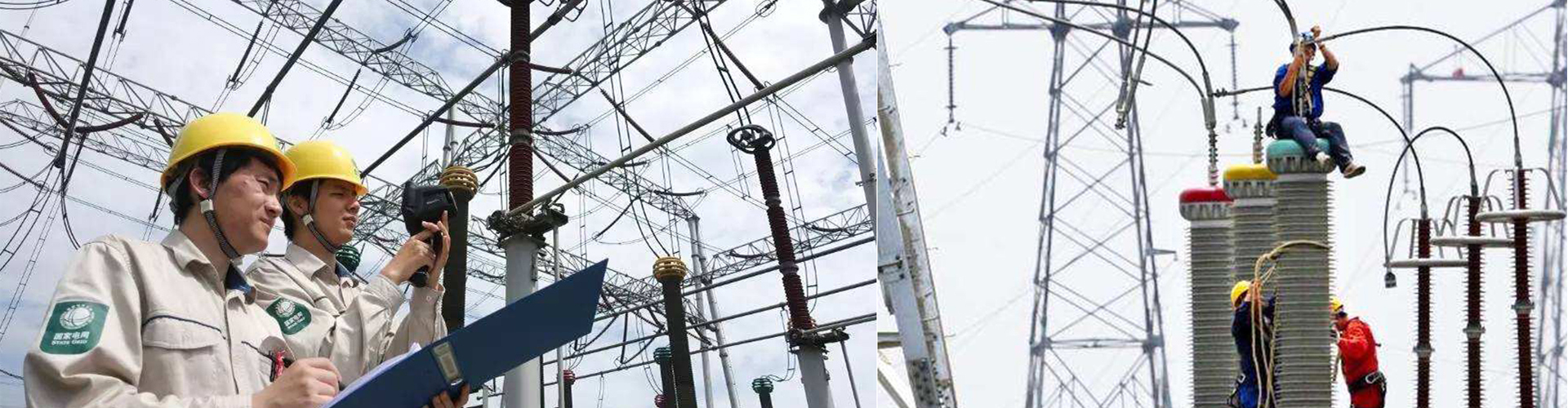
Power Equipment Testing: Including power cables, circuit breakers, instrument transformers, insulators, etc., used to evaluate their insulation performance and withstand voltage capability under high voltage.
Power System Simulation: Simulating different voltage levels in the power system, testing the performance of power equipment under various operating conditions.
Scientific Research and Development: In fields such as power electronics, motors, and new materials, test transformers are used to research and test the electrical performance of new products.
Education and Training: In electrical engineering education, used to demonstrate transformer principles and testing methods for power equipment.
Conclusion
Test transformers are indispensable tools in power engineering. By providing a controllable high voltage or large current environment, they help engineers and scientists verify and optimize the performance of power equipment. With the continuous development of the power industry, the design and functions of test transformers are also constantly improving to meet higher testing standards. In the future, test transformers will continue to play an important role in ensuring the safety and efficiency of power systems.