
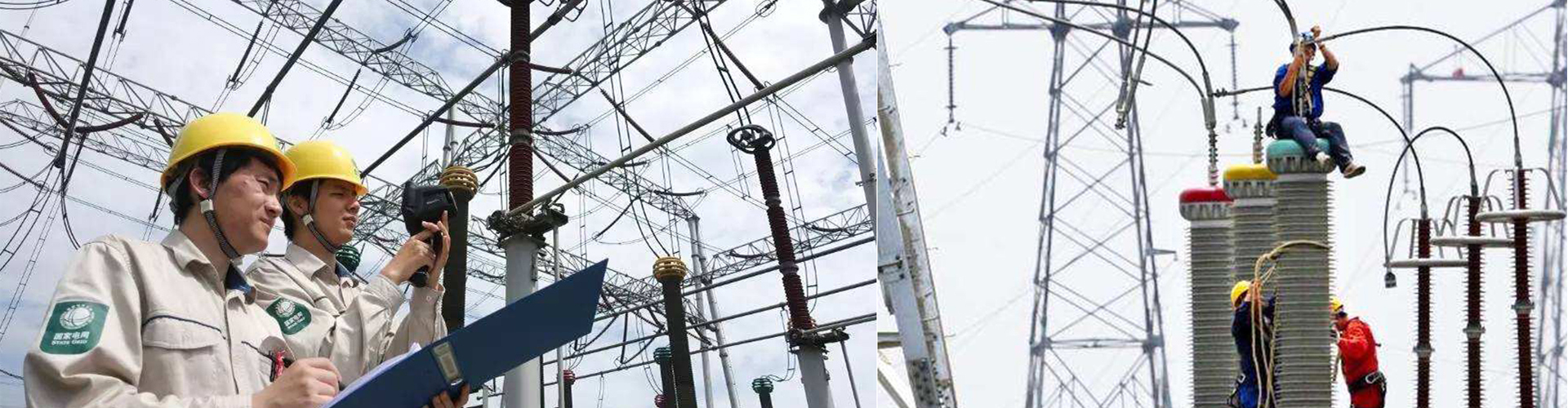
As an important component of the power system, cables carry the task of transmitting and distributing electrical energy, and are the "neural network" that ensures the normal operation of the power system. Whether it is urban underground pipe networks that are difficult for overhead lines to reach, or long-distance power transmission projects spanning mountains and rivers, cables play an irreplaceable role with their flexible wiring and strong environmental adaptability. However, due to factors such as mechanical damage, environmental corrosion, overload, and aging during long-term operation, cables may experience various faults, such as open circuits, short circuits, grounding, and insulation performance degradation, which seriously affect the stability of the power system and the quality of power supply.
Cable faults not only lead to large-scale power outages, causing inconvenience to social production and people's lives, but may also trigger fire accidents, posing threats to personal safety and equipment assets. Therefore, quickly and accurately detecting and locating cable faults has become a top priority in power system operation and maintenance. The cable fault tester emerged in this context. It integrates advanced physical detection, signal processing, data analysis, and other technical means, enabling the rapid location of fault points within a short time, greatly improving fault repair efficiency and reducing operational risks of the power system.
The working principle of the cable fault tester is mainly based on a series of precise fault location technologies. For example, the pulse reflection method sends high-frequency or ultrasonic pulses along the cable. When the pulse encounters a fault point, a reflected signal is generated, and the location of the fault point is calculated based on the time difference between the transmitted and received signals. The low-voltage pulse method is suitable for precise location of low-impedance faults, determining the fault area by detecting the propagation characteristics of electrical signals within the cable.
In addition, the multiple pulse method sends multiple extremely narrow pulses continuously and captures all returned reflected waveforms, greatly improving the accuracy of fault point location and adaptability under complex fault types. The impulse high-voltage flashover method is mainly used for locating high-impedance faults, by applying high voltage to cause instantaneous breakdown and discharge at the fault point, thereby obtaining fault information.
Modern cable fault testers also widely apply high-tech integration. For instance, embedded computer technology enables the instrument to have powerful data processing and storage capabilities; digital signal processing technology helps to analyze complex signal characteristics in real time and accurately identify various faults; networked service technology realizes remote control and data synchronization of equipment, facilitating centralized monitoring and management of large-scale power networks.
At the same time, advanced intelligent sensing technology combined with self-diagnosis and remote monitoring functions enables the cable fault tester not only to complete the detection of external cable conditions but also to monitor its own working status in real time, promptly discovering and reporting potential hidden faults, ensuring the instrument is always in optimal working condition. The comprehensive application of these advanced technologies makes the cable fault tester play an extremely critical role in power system maintenance, providing strong technical support for ensuring the safe and stable operation of the power system.
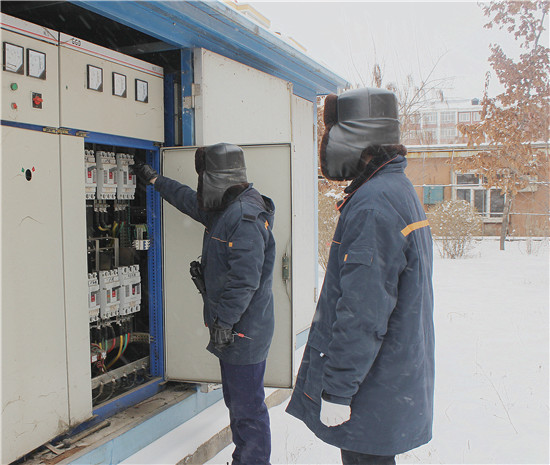
The core function of the cable fault tester lies in its excellent fault diagnosis capability, accurately identifying and distinguishing various types of cable faults. Whether it is electrical faults such as open circuits and short circuits that directly affect current transmission, or safety hazards caused by grounding faults, as well as insulation performance degradation due to material aging or external factors, the cable fault tester can make precise judgments in a short time with its built-in high-performance algorithms and detection modules.
Location technology is a major highlight of the cable fault tester, using methods such as pulse reflection and time-domain reflectometry (TDR) to achieve efficient location of cable fault points. In terms of accuracy, many advanced models can achieve positioning error ranges at the centimeter or even millimeter level, greatly reducing the time cost of fault finding and repair.
In addition, this type of tester also has path finding and burial depth measurement functions. Using the principle of electromagnetic induction, by emitting electromagnetic waves at specific frequencies, the cable route can be traced, and combined with acoustic ranging technology, the burial depth of the cable can be effectively estimated, which is of great significance for planning maintenance plans and avoiding blind excavation.
In terms of cable archive management and maintenance, modern cable fault testers, combined with information platforms, help power enterprises establish detailed electronic archives of cable lines. Each test result is recorded, forming a historical database of cable health status, which is conducive to optimizing resource scheduling, improving daily management and maintenance efficiency, and extending the service life of cables.
The cable fault tester has demonstrated significant benefits in practical application scenarios. For example, during urban power grid renovation, by using the cable fault tester, workers quickly located hidden faults in underground cables and promptly repaired them, greatly reducing the duration and area of power outages caused by faults, ensuring the normal electricity needs of residents and enterprises.
In industrial power environments, especially in special occasions such as mines and chemical plants, cable faults may lead to serious production interruptions or even safety accidents. By applying the cable fault tester, cable problems can be prevented and quickly resolved in advance, ensuring the continuity and safety of production.
In railway signal cable systems, once a fault occurs, it may cause train dispatching chaos and affect transportation safety. With the help of the fault tester, railway departments can identify the specific location of signal cable faults at the first time, quickly restore railway communication signals, and ensure transportation order.
Application effect evaluation shows that the cable fault tester significantly improves the operational reliability of the power system, reduces economic losses and social impacts caused by faults, and also effectively saves maintenance costs and improves overall operation and maintenance efficiency.
With the continuous advancement of technology, the cable fault tester will develop and upgrade in the following directions:
-
Application prospects of new sensor technologies: It is expected that future cable fault testers will be equipped with more sensitive and diverse sensors, such as fiber optic sensors and wireless sensors, to achieve early warning of minor cable defects and more precise fault location.
-
Integration of the Internet of Things and artificial intelligence technologies: Through IoT technology for remote real-time monitoring and big data analysis, combined with AI algorithms for learning and pattern recognition on large amounts of test data, it is expected to achieve predictive maintenance and intelligent diagnosis of cable faults.
-
Enhancing portability, intelligence, and automation: Future cable fault testers will develop towards lightweight, miniaturized, and intelligent directions, enhancing operational convenience, further improving on-site testing efficiency, and possibly achieving unattended automatic detection and assessment, comprehensively enhancing the intelligent management level of the power system.