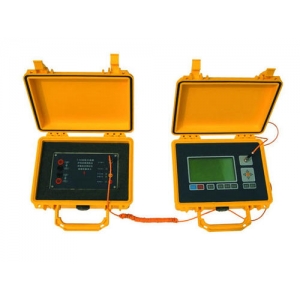
Wire Fault Tester - Basic generic name, suitable for all devices that detect wire faults.
Fully Intelligent Multi-Pulse Cable Fault Tester HP-A30 - Specific model, emphasizing full intelligence and multi-pulse technology.
GDBN-C1000 Cable Fault Locator - Indicates specific model and distance measurement function, suitable for power cable testing.
SK-880 Wire and Cable Fault Tester - Clear model, suitable for fault detection of wires and cables.
High-Voltage Cable Fault Tester/Cable Fault Locator - Suitable for cable fault location equipment in high-voltage environments.
Portable Cable Fault Location System - Emphasizes portability and systematic fault location capability.
These titles reflect the features and application scenarios of different products, and users can choose the appropriate wire fault tester according to actual needs.
Related Links · 10
Wire Fault Tester - Basic generic name, suitable for all devices that detect wire faults article
Search Completed
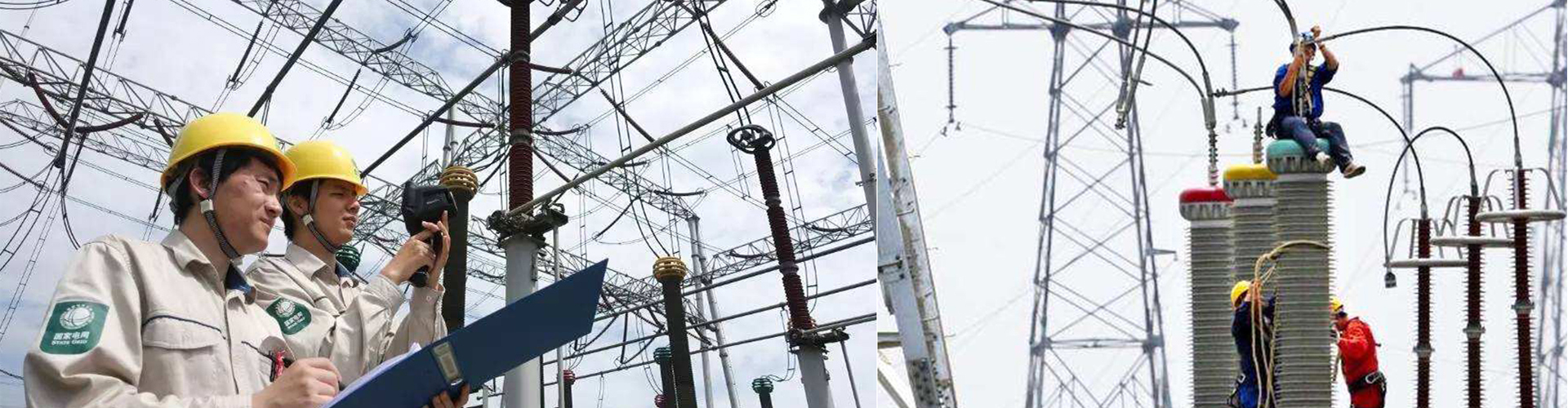
A wire fault tester is a comprehensive device specifically used to detect various faults in wires and cable lines, suitable for industries such as electric power, communications, railways, and other systems that rely on cable transmission. The following is a detailed description of the basic overview, functions, application scope, working principle, and advantages of a wire fault tester:
Basic Overview
A wire fault tester, also often called a cable fault detector or cable fault locator, is a key tool to ensure the normal operation of cable lines. It can accurately identify and locate various fault types in cables, including but not limited to low-resistance short circuits, open circuits, high-resistance faults, flashover faults, ground faults, as well as broken wires and poor contact issues.
Main Functions
Fault Location: Using techniques such as pulse reflection method, acoustic-magnetic synchronization method, and bridge method, to quickly and accurately locate fault points in cables.
Insulation Testing: Evaluate the insulation performance of cables by measuring insulation resistance and dielectric loss, detecting aging and moisture in cables.
Fault Nature Determination: Determine the type of fault by measuring voltage and current at both ends of the cable, combined with impedance changes.
Preventive Maintenance: Regularly test cable conditions to proactively identify potential problems and reduce sudden failures.
Data Recording and Analysis: Record test data to provide a scientific basis for fault diagnosis and maintenance strategies.
Application Scope
Power Cables: High-voltage and low-voltage power transmission lines.
Communication Cables: Including coaxial cables, fiber optic composite cables, etc.
Control Cables: Used for signal transmission in industrial automation control systems.
Local Telephone Cables: Urban telephone communication networks.
Streetlight Cables, Buried Wires: Common cable types in urban infrastructure construction.
Working Principle
The most commonly used fault location principle is the pulse reflection method, which sends a pulse signal to the faulty cable. When the signal encounters a fault point (such as an open circuit or short circuit point), it reflects. By analyzing the time delay and waveform characteristics of the reflected wave, the distance from the fault point to the test end can be calculated.
Advantages
High Accuracy: Can accurately identify fault locations with small errors.
Fast Location: Greatly shortens fault troubleshooting time.
Multifunctionality: Integrates multiple test functions in one device, adapting to various faults and cable types.
Safe and Reliable: Designed in compliance with safety standards to ensure operator safety.
Portability: Modern devices are often designed to be portable, easy for on-site operation.
Wire fault testers are crucial for maintaining the stable operation of power and communication systems, and are one of the indispensable tools for maintenance teams in the power and communication industries. With technological development, such equipment is continuously evolving towards more intelligent, automated, and efficient directions.