

The following is an article about “Accurately measuring the rated capacity of transformers”, which details the importance, measurement methods, and related technologies and tools for transformer capacity measurement:
Accurately measuring the rated capacity of transformers
Introduction
Transformers are core equipment in power systems, and their capacity directly affects the stability and reliability of the power grid. Accurately measuring the rated capacity of transformers is crucial for ensuring the normal operation of the power system. This article will explore the importance of transformer capacity measurement, measurement methods, and how to use advanced testing instruments for accurate measurement.
Importance of transformer capacity measurement
The rated capacity of a transformer refers to the maximum power it can continuously transmit. Accurately measuring transformer capacity can help:
Optimize system configuration: Ensure that the transformers used can meet load demands, avoiding overload or redundancy.
Fault diagnosis: Determine whether the transformer meets the manufacturer's specifications and promptly identify potential issues.
Maintenance planning: Develop reasonable maintenance cycles and preventive maintenance plans.
Economic operation: Arrange transformer usage reasonably to reduce energy consumption and improve economic efficiency.
Measurement methods
Measuring the rated capacity of a transformer typically involves the following steps:
Basic parameter confirmation: Record the transformer's basic parameters, such as rated voltage, rated current, connection method, etc.
Short-circuit test: Apply a low voltage to measure the transformer's short-circuit impedance and calculate short-circuit losses.
No-load test: Apply rated voltage to one side of the transformer with the other side open, and measure no-load current and no-load losses.
Load test: Apply rated current to one side of the transformer and an appropriate load to the other side, and measure load losses.
Temperature correction: Correct the measurement results based on the temperature during testing to ensure comparison under standard conditions.
Advanced testing tools
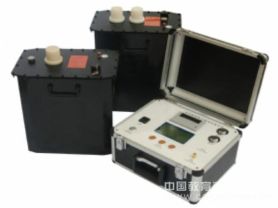
To accurately measure transformer capacity, specialized testing instruments such as transformer capacity characteristic testers are typically required. These instruments have the following features:
Multi-function measurement: Capable of simultaneously measuring multiple parameters such as voltage, current, power factor, etc.
Automatic calculation: Built-in algorithms can automatically calculate key indicators such as transformer capacity and losses.
Data recording: Supports data storage and export for later analysis.
Easy operation: User-friendly interface for quick and simple operation.
Portability: Lightweight design suitable for on-site testing.
Application cases
Power grid company: During a routine inspection, a power grid company used transformer capacity characteristic testers to conduct comprehensive tests on multiple transformers. By comparing historical data, they found a significant decrease in the capacity of one transformer and promptly took replacement measures, avoiding potential fault risks.
Manufacturing: Transformer manufacturers have established strict testing procedures at the end of production lines, using advanced testers to ensure that every transformer leaving the factory meets the specified capacity requirements.
Precautions
Test preparation: Before conducting capacity measurement, ensure that the transformer is de-energized and fully discharged.
Safety measures: Wear appropriate personal protective equipment such as insulating gloves and shoes during testing to ensure personal safety.
Environmental impact: Consider the influence of environmental temperature, humidity, and other factors on measurement results, and try to conduct tests under standard conditions.
Future trends
With technological advancements, future transformer capacity testing will become more intelligent. For example, remote monitoring and data analysis can be achieved through the Internet of Things (IoT) technology, and artificial intelligence (AI) can be used for fault prediction and health management. Additionally, the application of new materials will make testing equipment more portable and efficient.
Conclusion
Accurately measuring the rated capacity of transformers is of great significance for the stable operation of power systems. By using advanced testing instruments and technical methods, the condition of transformers can be effectively evaluated, ensuring their long-term reliable operation. With the development of technology, future testing methods will become more precise and efficient, providing stronger support for the safe maintenance of power systems.
References
List the relevant literature, standards, and specifications referenced in this article to ensure the accuracy and reliability of the information.
Through this article, readers can learn about the methods, tools, and importance of accurately measuring transformer rated capacity in power systems.