Working Principle and Maintenance of High Current Generator
Introduction
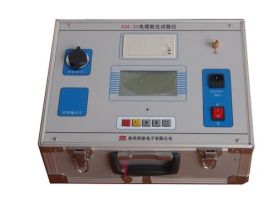
A high current generator is an important electrical testing device, widely used in power system testing, scientific research, manufacturing, and other fields. This article will detail the working principle of the high current generator and discuss the importance and specific measures of its daily maintenance.
Working Principle
Basic Principle
The core component of a high current generator is the transformer, which amplifies the current by changing the turns ratio of the primary and secondary windings. In a typical setup, the input voltage is low while the output current is high.
Main Components
Main Transformer: Responsible for current amplification.
Power Input Unit: Provides stable AC or DC power.
Control System: Includes digital controllers and signal processors to monitor and adjust the output current.
Protection Circuit: Includes overcurrent protection, overheat protection, etc., to ensure safe operation of the equipment.
Cooling System: Dissipates heat through fans or liquid cooling to maintain the equipment within a safe temperature range.
Workflow
Power Input: The high current generator is connected to the grid power supply.
Voltage Conversion: The main transformer converts the input voltage to a level suitable for generating high current.
Current Amplification: By changing the turns ratio of the transformer, the output current is much greater than the input current.
Control and Regulation: The control system monitors the output current and adjusts it according to the set value.
Protection Mechanism: When the current exceeds the preset threshold or the equipment overheats, the protection circuit triggers and cuts off the power.
Daily Maintenance
Importance of Maintenance
Extend Service Life: Regular maintenance can reduce equipment failures and extend service life.
Ensure Safety: Timely detection of potential safety hazards reduces the risk of accidents.
Improve Work Efficiency: Ensure the equipment is always in optimal condition, reducing downtime.
Maintenance Measures
Daily Inspection
Visual Inspection: Check for obvious physical damage to the equipment.
Connection Check: Confirm that all wiring terminals are tight and not loose.
Cleaning and Maintenance: Regularly clean dust and debris from inside and outside the equipment.
Periodic Maintenance
Electrical Inspection: Use professional instruments to test electrical parameters such as insulation resistance and grounding resistance.
Cooling System Check: Inspect the operation status of fans or cooling liquid, and replace the cooling liquid if necessary.
Functional Testing: Conduct regular functional tests to ensure all indicators meet standards.
Troubleshooting
Record Faults: Once a problem is found, record it immediately and attempt preliminary diagnosis.
Professional Repair: For complex issues, contact the manufacturer or authorized service provider promptly for repair.
Conclusion
High current generators play an important role in various application scenarios. Correctly understanding and mastering their working principle, as well as taking effective maintenance measures, is crucial to ensuring long-term stable operation of the equipment. Through careful maintenance of the equipment, not only can work efficiency be improved, but operating costs can also be significantly reduced, and the safety of operators can be ensured.
I hope this article helps you understand the working principle of high current generators and how to perform effective maintenance. If you need more detailed information or content on other aspects, please feel free to let me know!