
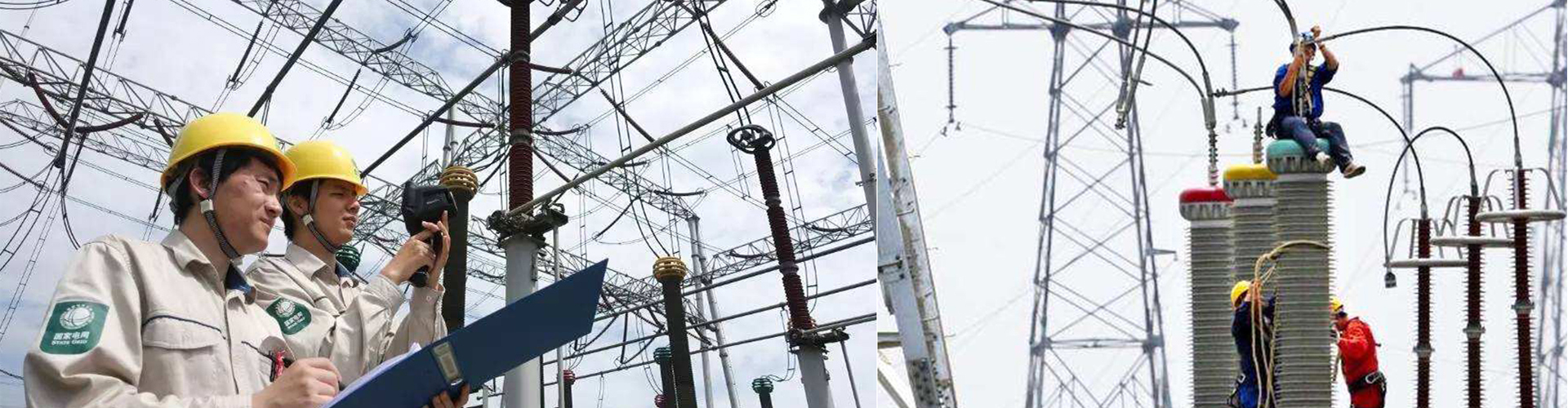
As a professional tool, the high current generator has the ability to precisely regulate current output, and it plays a crucial role in temperature rise tests of electrical equipment. This device can not only simulate various high current conditions that electrical equipment may encounter in real environments, but also deeply explore the performance of equipment under extreme conditions.
1. Restore real scenarios: High current generator is like a "current magician", which can create a simulation environment of full load or even overload operation for electrical equipment. By adjusting the output current, engineers can intuitively and accurately observe the response of equipment under these complex working conditions, thereby verifying whether the equipment can maintain stability and reliability under high-intensity working conditions.
2. Precision temperature rise performance evaluation: When a large amount of current flows through electrical equipment, resistance losses are inevitably generated, which will cause the internal temperature of the equipment to rise. Using a high current generator, technicians can not only finely control the input current level, but also monitor and record in detail the temperature rise process of the equipment under high current impact in real time. This step is crucial for evaluating the thermal stability and heat dissipation efficiency of the equipment.
3. Prevent problems before they occur and ensure safety: Excessive temperature is a major hidden danger threatening the normal operation and lifespan of electrical equipment, which may lead to reduced insulation performance and even trigger safety accidents such as fires in severe cases. By conducting temperature rise tests with the help of a high current generator, potential problems can be identified early and measures can be taken to solve them in a timely manner, thereby effectively ensuring the safety and durability of electrical equipment.

Next, let us analyze in detail the specific process of the temperature rise test:
1. Adequate preliminary preparation: First, ensure that the current parameters set by the high current generator strictly follow the test requirements. At the same time, conduct comprehensive pretreatment of the electrical equipment to be tested, such as carefully cleaning the equipment surface to prevent impurities from affecting the test results, and checking and ensuring that all connection points are in good contact to prevent additional heat generation caused by poor contact.
2. Fine wiring and configuration: Precisely connect the high current generator to the electrical equipment under test, strictly set the required current output value according to the test plan, and simultaneously turn on the temperature control device and high-precision temperature sensors to form a strict temperature monitoring network covering all important parts of the equipment, ensuring that every temperature change can be accurately captured.
3. Steadily load current: Start the high current generator smoothly, gradually increase the current to the preset level, and closely monitor the temperature dynamics of the equipment during this process, achieving simultaneous current loading and temperature monitoring.
4. Continuous monitoring and detailed recording: Under the continuous action of high current, track and record in detail the temperature evolution of each key part of the electrical equipment throughout the process, from the initial baseline temperature, through the peak temperature, to the final temperature equilibrium state.
5. Test conclusion and in-depth analysis: When the test reaches the predetermined time or the temperature rise of the equipment meets specific standards, immediately cut off the current supply of the high current generator and allow the equipment to cool naturally to room temperature. Then, based on the rich data collected, conduct in-depth analysis and summary of the temperature rise characteristics and laws of the electrical equipment under high current conditions, compare with relevant industry standards and product design goals, reveal the performance advantages and disadvantages of the equipment, and provide scientific basis and direction guidance for further product improvement and design optimization.
As a key tool for simulating actual working conditions and detecting the temperature rise performance of electrical equipment, the high current generator plays an indispensable role in temperature rise tests of electrical equipment. It can accurately simulate the working conditions of electrical equipment under full load or even overload, and by controlling and outputting stable high current, it promotes the temperature rise effect inside the equipment, thereby evaluating the thermal stability, heat dissipation performance, and safety of the equipment. In the test process, from the preparation stage of equipment pretreatment and wiring settings, to current loading, temperature monitoring and data collection, and then to data analysis after the test, every step is rigorous and orderly. Through temperature rise tests assisted by high current generators, not only can the performance of electrical equipment under extreme conditions be revealed, but also potential temperature rise risks can be effectively prevented, ensuring long-term safe and reliable operation of the equipment, and providing scientific basis for product improvement and optimization.