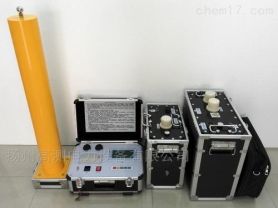
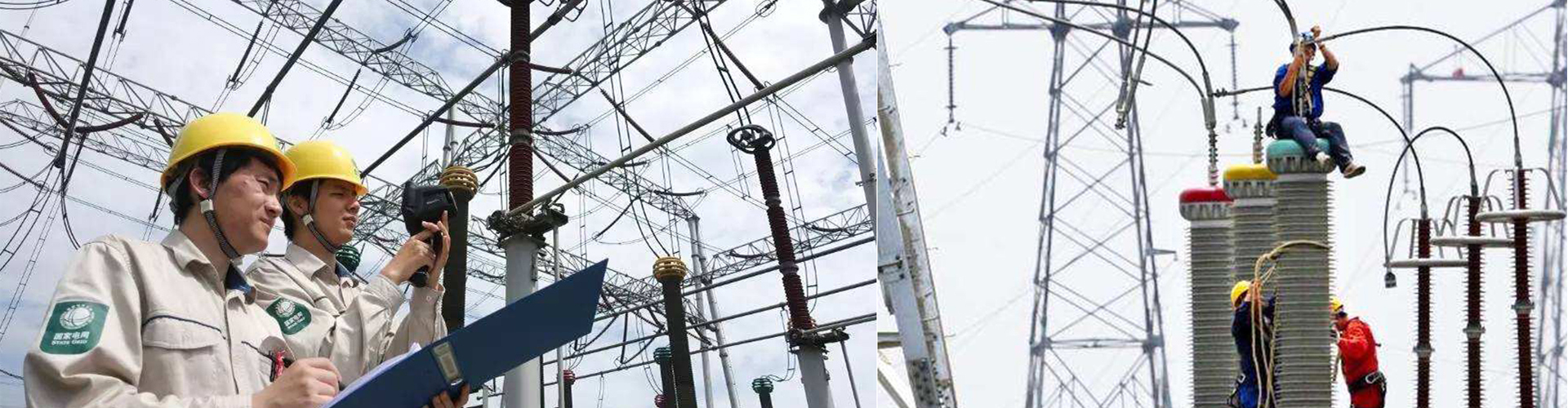
A cable fault tester is a device specifically designed to detect and locate various faults occurring in power cables. These faults may include breaks, short circuits, grounding faults, etc., which not only affect the stability of power supply but may also lead to safety hazards. Cable fault testers use multiple technical methods to accurately identify fault locations, thereby helping technicians quickly resolve issues, reduce outage time, and maintain the safe operation of the power grid.
Main Functions and Technologies
Low Voltage Pulse Reflection Method (TDR): This method determines the fault location by sending a low-voltage pulse signal into the cable and measuring its propagation time and reflection characteristics. It is suitable for detecting open circuits, short circuits, and other issues.
High Voltage Flashover Method (Thumper Test): For high-impedance faults or intermittent faults, this method can be used. It involves applying a sufficiently high voltage to cause arcing at the fault point, and then locating the fault based on the discharge sound or electromagnetic wave signals.
Bridge Measurement Method: This is a traditional cable fault detection method that calculates the fault distance by comparing the ratio between known and unknown resistances. Although it offers high accuracy, it requires certain operational skills.
Acoustic-Magnetic Synchronization Method: Combining the advantages of sound signals and magnetic field signals, this method adds monitoring of electromagnetic field changes on the basis of the high-voltage flashover method, improving positioning accuracy.
Secondary Pulse Method: First, use a low-voltage pulse to find the approximate length of the cable, then apply a high-voltage pulse to break down the fault point, and finally send a low-voltage pulse again to precisely locate the fault.
Application Fields
Power Industry: Used for maintenance and repair of cables in power transmission and distribution networks, ensuring the stability and safety of the power system.
Industrial Manufacturing: Inspection and maintenance of internal power lines in factories to ensure the normal operation of production equipment.
Construction: Quality inspection of newly installed cables and regular inspection of existing cables.
Transportation Facilities: Fault detection for cables in rail transit systems such as subways and railways.
Technology Development Trends
With the advancement of technology, cable fault testers are also continuously innovating:
Intelligence and Automation: Modern instruments are often equipped with intelligent diagnostic software that supports automatic analysis of fault types and locations, improving work efficiency.
Portable Design: To meet the needs of on-site operations, more and more testers adopt lightweight and compact designs for easy portability and operation.
Multi-function Integration: Integrating multiple detection technologies into one device allows a single unit to handle different types of cable faults.
Data Management and Remote Monitoring: Support for data storage, playback, and wireless transmission functions, facilitating subsequent analysis and remote technical support.
Selection Recommendations
When choosing a cable fault tester, the following aspects should be considered:
Whether the testing range meets actual needs;
Whether the accuracy and resolution of the device can meet requirements;
Ease of operation, especially whether the user interface design is intuitive and user-friendly;
Durability and environmental adaptability, especially for use in outdoor or extreme conditions;
Cost-effectiveness, comprehensively considering the balance between price and performance.
In summary, the cable fault tester is an important tool for ensuring the safe and reliable operation of power cables and their components. By reasonably selecting and correctly using such equipment, cable fault problems can be effectively prevented and resolved, ensuring the stability and safety of the power system.