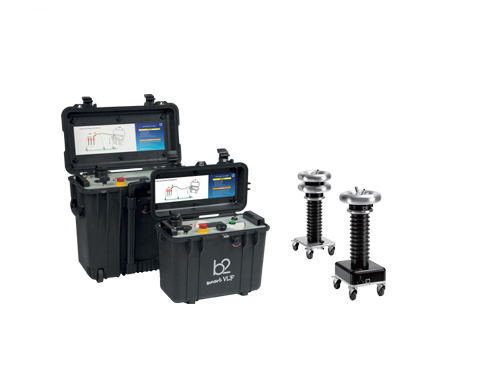
In modern power systems and communication networks, cables serve as critical transmission media, and their normal operation is crucial for ensuring the stability of the entire system. However, due to aging, construction damage, or natural factors, cables may experience various faults. As a professional device specifically designed for detecting and locating cable faults, the cable fault tester plays an irreplaceable role in maintenance and repair work. This article will provide a detailed introduction to the functional characteristics and application scenarios of cable fault testers.
I. Introduction
With the expansion of power grids and technological advancements, the requirements for cable reliability have become increasingly stringent. Cable faults not only lead to power outages but can also cause significant economic losses and social impacts. Therefore, timely and accurate detection and location of cable fault points have become a crucial part of ensuring the stable operation of power transmission and communication networks. Cable fault testers, through advanced technical means, can efficiently accomplish this task.
II. Main Functions of Cable Fault Testers
Multiple Testing Methods: Supports various testing techniques including low-voltage pulse reflection, high-voltage flashover, and arc reflection methods, suitable for different types of cable faults.
High-Precision Location: Utilizes advanced signal processing algorithms to accurately locate cable fault points, typically with errors within a few meters.
Real-Time Data Analysis: Equipped with data processing software that can analyze test results in real-time and generate detailed reports, facilitating subsequent repair work.
User-Friendly Interface Design: Most models feature intuitive operation interfaces with touch screen support, making them easy to understand and use.
Portable Design: Considering the actual needs of field operations, many cable fault testers are designed to be compact and lightweight, making them easy to carry to different locations.
Safety Protection Mechanisms: Equipped with multiple safety protection measures, such as overvoltage and overcurrent protection, ensuring the safety of personnel and equipment during testing.
III. Application Scenarios
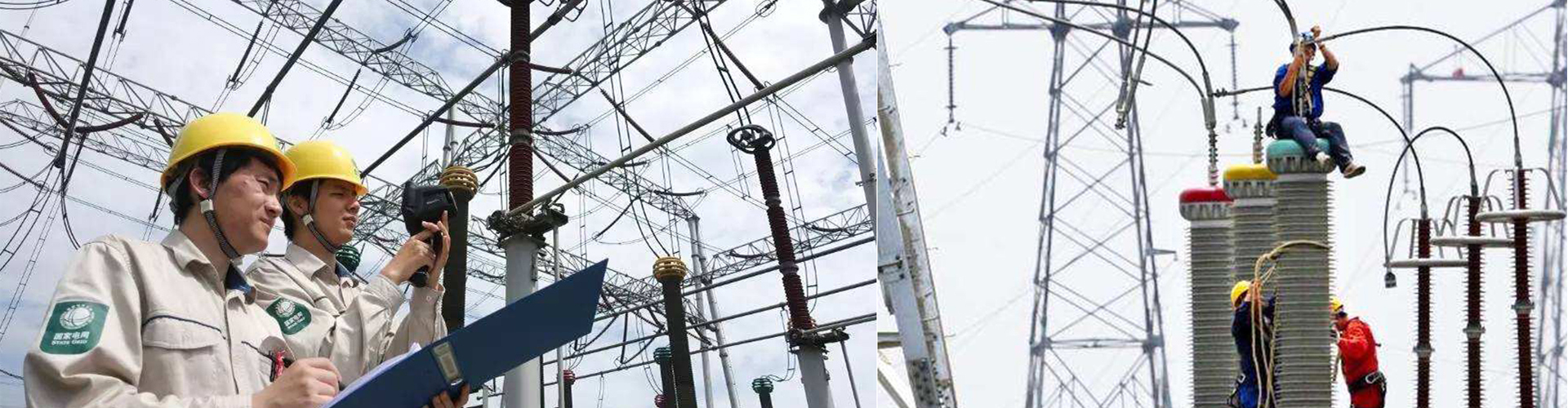
Power Industry: Used for regular inspections and fault troubleshooting of cables in transmission lines and substations, ensuring the continuity and safety of power supply.
Communication Networks: Detects fiber optic or copper cables between communication base stations, quickly locating fault points to reduce service interruption time.
Urban Rail Transit: In subway, light rail, and other public transportation systems, faults in signal control cables can affect train operations; cable fault testers help quickly restore service.
Industrial Facilities: Complex electrical wiring within factories requires regular maintenance, and using cable fault testers can effectively prevent potential issues.
IV. Conclusion
Cable fault testers are important tools for maintaining the safe operation of power transmission and communication networks. They not only improve the speed and accuracy of fault detection but also reduce losses caused by cable faults. Facing increasingly complex cable networks and higher reliability requirements, cable fault testers will continue to evolve, integrating more intelligent features to provide users with more efficient and convenient services. Whether for power companies, communication operators, or industrial enterprises, mastering the correct use of this tool is of great significance for improving overall operation and maintenance levels. Through continuous technological innovation, cable fault testers will continue to contribute to public safety and facility protection.