The main functions of DC test transmitter
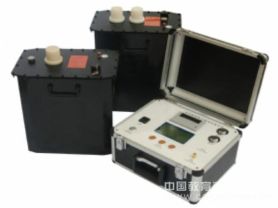
DC test transmitter is a device specially designed for detecting and testing the direct current (DC) part in power systems. It plays an important role in the installation, commissioning, maintenance, and troubleshooting of power systems. By using the DC test transmitter, technicians can effectively perform voltage detection, insulation testing, and other electrical parameter measurements related to DC.
The main functions of DC test transmitter
Voltage detection: It can accurately measure the voltage level of DC power supply to ensure it meets the expected standards.
Insulation testing: It is used to evaluate the insulation condition of circuits or equipment, ensuring safe operation and preventing potential electrical faults.
Fault location: It helps technicians quickly locate fault points in DC systems, such as short circuits, open circuits, and other issues.
Data recording and analysis: Many modern DC test transmitters have data recording functions that can store test results and support subsequent data analysis, facilitating long-term monitoring and management.
Application fields
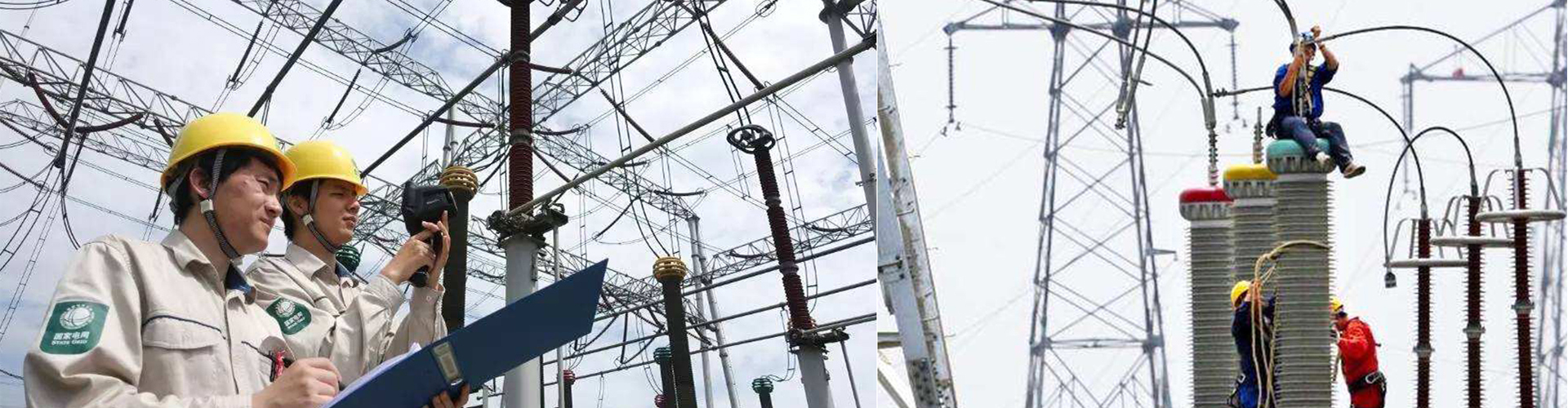
Power systems: Including commissioning and maintenance of DC systems in substations, power plants, and other locations.
Industrial automation: In factory automation systems, DC power supplies are widely used in various control equipment. The DC test transmitter helps ensure the stability and reliability of these systems.
Rail transit: The DC power supply networks of urban rail transit systems such as subways and light rails need regular testing to ensure operational safety. The DC test transmitter provides necessary technical support for this.
Scientific research and education: Universities and research institutions use DC test transmitters to carry out related teaching experiments and technical research work.
Usage precautions
Operational specifications: Follow the operating instructions provided by the manufacturer, correctly set instrument parameters, and avoid inaccurate test results or equipment damage caused by misoperation.
Safety measures: Before conducting any test, ensure that appropriate safety protection measures have been taken, such as wearing personal protective equipment (PPE), disconnecting unnecessary loads, etc.
Environmental adaptability: Considering the influence of factors such as temperature and humidity in different working environments, it is particularly important to choose a DC test transmitter suitable for the on-site conditions.
For those who wish to gain a deeper understanding of DC test transmitters, consulting professional literature, attending industry seminars, or receiving targeted training are all good options. This not only helps improve personal professional skills but also better understands how to efficiently apply such tools to solve problems encountered in actual work.