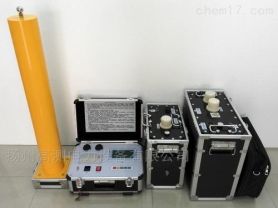
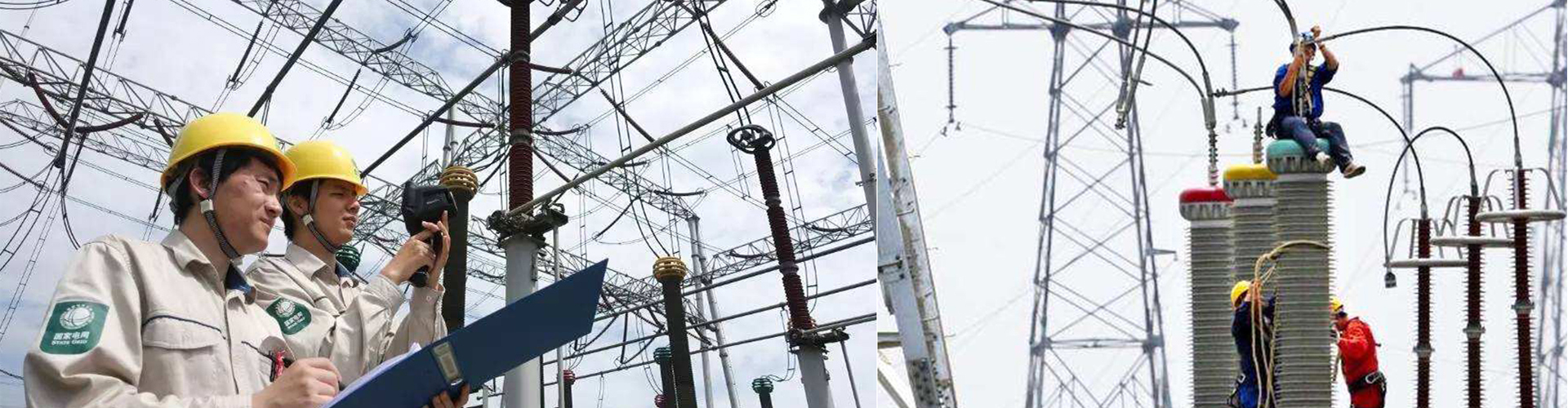
communication networks, and other critical infrastructure can operate safely when struck by lightning. Lightning protection components, such as arresters and surge protective devices (SPDs), protect equipment from damage by absorbing or diverting the high energy generated by lightning. This article will provide a detailed introduction to the purpose, methods, test items, and usage precautions of lightning protection component testing.
Testing Purpose
Performance Verification: Ensure that lightning protection components can effectively absorb and divert lightning energy under actual working conditions.
Aging Detection: Regular testing can identify the aging of lightning protection components and promptly replace failed components.
Compliance Check: Ensure that lightning protection components meet relevant national standards and industry specifications, safeguarding the safety and reliability of the system.
Testing Methods
Lightning protection component testing typically includes the following methods:
Leakage Current Test: Measures the leakage current of lightning protection components under normal operating voltage to assess their insulation performance.
Impulse Current Test: Simulates lightning impulse waves to test the response of lightning protection components under different intensities, evaluating their withstand capability and protection effectiveness.
Residual Voltage Test: Measures the residual voltage of lightning protection components after a lightning impulse to ensure they can effectively limit overvoltage and protect downstream equipment.
Response Time Test: Measures the time from when a lightning protection component detects a lightning impulse to when it begins to operate, evaluating its rapid response capability.
Withstand Voltage Test: Tests the insulation performance of lightning protection components under high voltage to ensure their safety under extreme conditions.
Test Items
Leakage Current Test
Purpose: To detect the leakage current of lightning protection components under normal operating voltage, ensuring they do not interfere with the circuit.
Method: Use a leakage current tester to measure the leakage current of the lightning protection component at rated voltage.
Standard: The leakage current should be below the specified limit, with specific values depending on the type of lightning protection component and relevant standards.
Impulse Current Test
Purpose: To evaluate the withstand capability and protection effectiveness of lightning protection components under lightning impulses.
Method: Use an impulse current generator to simulate standard waveforms such as 8/20μs or 10/350μs, and measure the operating characteristics and residual voltage of the lightning protection component.
Standard: The lightning protection component should operate normally under the specified impulse current, and the residual voltage should not exceed the specified value.
Residual Voltage Test
Purpose: To evaluate the residual voltage of lightning protection components after a lightning impulse, ensuring they can effectively limit overvoltage.
Method: Immediately after the impulse current test, measure the residual voltage across the lightning protection component.
Standard: The residual voltage should be lower than the maximum allowable voltage of the protected equipment to prevent equipment damage.
Response Time Test
Purpose: To evaluate the rapid response capability of lightning protection components, ensuring they can initiate protection functions in a short time.
Method: Use a high-speed oscilloscope to record the time from when the lightning protection component detects a lightning impulse to when it begins to operate.
Standard: The response time should be less than the specified value to ensure the lightning protection component can initiate protection before the lightning impulse arrives.
Withstand Voltage Test
Purpose: To evaluate the insulation performance of lightning protection components under high voltage, ensuring their safety under extreme conditions.
Method: Use a high-voltage tester to apply a voltage higher than the rated voltage for a certain duration, and observe whether the lightning protection component experiences breakdown or other failures.
Standard: The lightning protection component should maintain good insulation performance under the specified high voltage without breakdown or other failures.
Usage Precautions
Safety Protection: When conducting tests, always follow safety operating procedures, wear necessary protective equipment, and ensure personal safety.
Equipment Inspection: Before use, check the integrity and functionality of the test equipment to ensure there is no damage or malfunction.
Correct Connection: Ensure the test equipment is correctly connected to the lightning protection component to avoid short circuits or open circuits.
Environmental Adaptation: Pay attention to the operating environment of the test equipment, avoiding adverse conditions such as high temperature and humidity that may affect test results.
Professional Training: Operators should receive professional training and be familiar with the operating methods and precautions of the test equipment.
Regular Calibration: To ensure the accuracy of test results, it is recommended to regularly calibrate and maintain the test equipment.
Data Recording: Record test data in detail for subsequent analysis and archiving.
Conclusion
Lightning protection component testing is an important means to ensure that power systems, communication networks, and other critical infrastructure can operate safely when struck by lightning. Through detailed test items and scientific methods, the performance of lightning protection components can be comprehensively evaluated, ensuring their reliability and effectiveness in actual work. Correctly selecting and using lightning protection component testing equipment not only improves the safety and reliability of the system but also effectively reduces the occurrence of failures and ensures the normal operation of electrical equipment. We hope this article is helpful for you to understand and use lightning protection component testing.