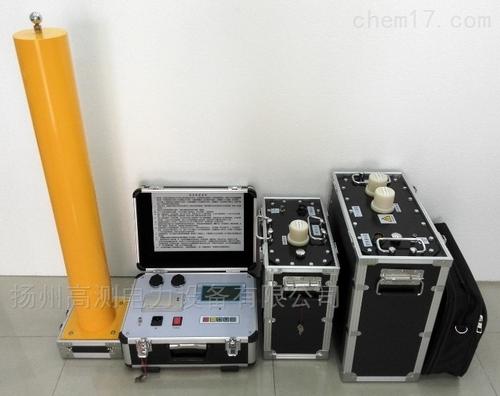
A surge protective device tester is an instrument specifically designed for detecting and evaluating the performance of surge protective devices. With the proliferation of electronic equipment and technological advancements, lightning protection has become increasingly important, especially in industries such as power, communication, and construction. The surge protective device tester assists technicians in accurately measuring and analyzing various indicators of surge protective devices, ensuring that these devices can function properly during lightning strikes, thereby protecting critical equipment from damage. The following is a detailed introduction to the surge protective device tester:
Working Principle
The surge protective device tester simulates lightning impulse waveforms to conduct impulse tests on surge protective devices, assessing their ability to withstand lightning impulses. Additionally, it can test key parameters such as leakage current, response time, and residual voltage of surge protective devices. These test results help evaluate the effectiveness and reliability of surge protective devices.
Main Functions
Lightning Impulse Test: Simulates lightning impulse waveforms to test the response of surge protective devices under different intensities.
Leakage Current Test: Measures the leakage current of surge protective devices under normal operating voltage, ensuring they do not interfere with the circuit under non-lightning conditions.
Response Time Test: Measures the time from when the surge protective device detects a lightning impulse to when it begins to act, evaluating its rapid response capability.
Residual Voltage Test: After a lightning impulse, measures the residual voltage across the surge protective device to ensure it effectively limits overvoltage and protects downstream equipment.
Withstand Voltage Test: Tests the insulation performance of surge protective devices under high voltage to ensure their safety under extreme conditions.
Technical Parameters
Maximum Impulse Voltage: Typically can reach tens of thousands of volts, depending on the model.
Impulse Waveforms: Common standard waveforms include 8/20μs, 10/350μs, etc.
Test Accuracy: Generally requires high test accuracy to ensure the accuracy of test results.
Measurement Range: Covers the measurement range for parameters such as leakage current, residual voltage, and response time.
Data Recording: Supports automatic recording and storage of test data for subsequent analysis and report generation.
Application Fields
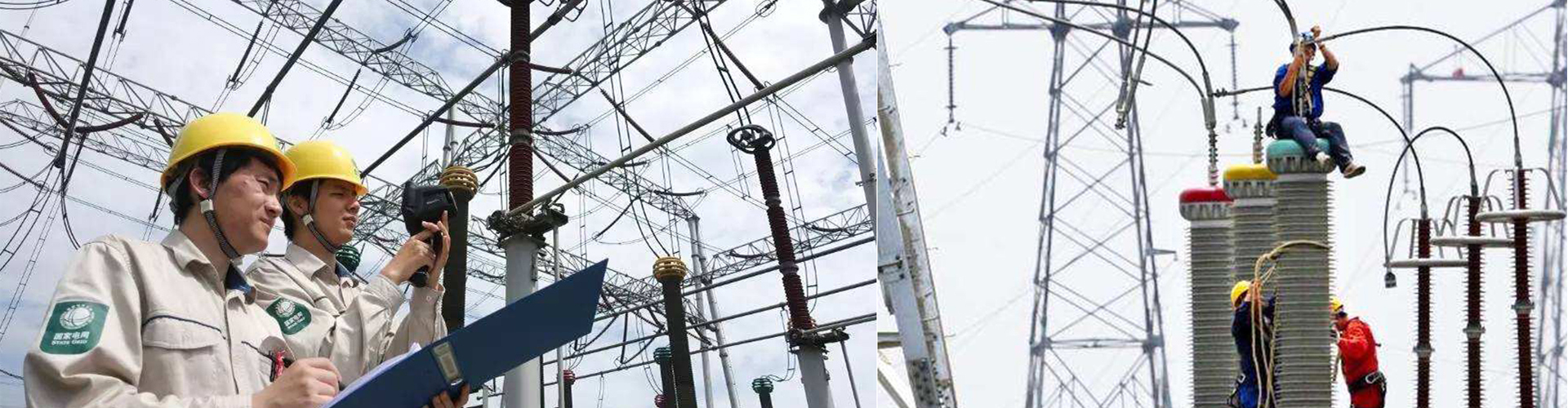
Power Systems: Used for testing surge protective devices in power facilities such as substations and transmission lines.
Communication Industry: Used for lightning protection of communication equipment such as base stations and data centers.
Construction Industry: Used for testing lightning protection systems in infrastructure such as high-rise buildings, airports, and bridges.
Industrial Manufacturing: Used for lightning protection of electrical equipment in industrial settings such as factories and workshops.
Advantages
High Precision: Utilizes advanced measurement techniques and algorithms to ensure accurate test results.
Multifunctionality: Integrates multiple test functions to meet the needs of different scenarios.
Ease of Operation: User-friendly interface and simple operation, suitable for field use.
Portability: Compact size and lightweight, easy to carry and move.
Data Management: Supports data export and analysis for convenient management and archiving.
Usage Precautions
Safety Protection: When conducting tests, always follow safety operating procedures and wear necessary protective equipment to ensure personal safety.
Regular Calibration: To ensure the accuracy of test results, it is recommended to regularly calibrate and maintain the tester.
Environmental Adaptation: Pay attention to the operating environment of the tester, avoiding adverse conditions such as high temperature and humidity that may affect test results.
Professional Training: Operators should receive professional training to become familiar with the operation methods and precautions of the tester.
The surge protective device tester is an important tool for ensuring the safety of electrical equipment and systems. By regularly testing and evaluating the performance of surge protective devices, lightning accidents can be effectively prevented, reducing economic losses. Choosing a suitable and reliable surge protective device tester is of great significance for improving the overall lightning protection level of the system.