It has a wide range of applications in multiple industries, including power system testing, medical equipment, scientific research, industrial processing, and other fields. The following is an overview of an article about high-voltage generators, which can help you understand their basic principles, applications, and development trends.
Overview of High-Voltage Generators
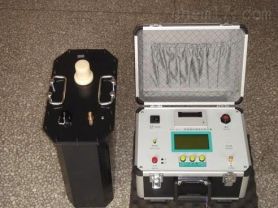
The main function of a high-voltage generator is to generate the required high voltage based on a lower input voltage through step-up conversion technology. This equipment typically consists of a power supply module, a step-up circuit, a control unit, and a safety protection system. It can not only provide stable high voltage output but also adjust the output voltage to a certain extent to meet the needs of different application scenarios.
Working Principle
The working principle of a high-voltage generator is based on the law of electromagnetic induction or the principle of oscillation amplification in electronics. Common methods for generating high voltage include transformer step-up, voltage multiplier rectification, and inverter step-up. Among these, transformer step-up is one of the most direct methods, while voltage multiplier rectifier circuits use a combination of diodes and capacitors to achieve voltage multiplication. Modern high-voltage generators often incorporate digital control technology, making the output more precise and controllable.
Main Applications
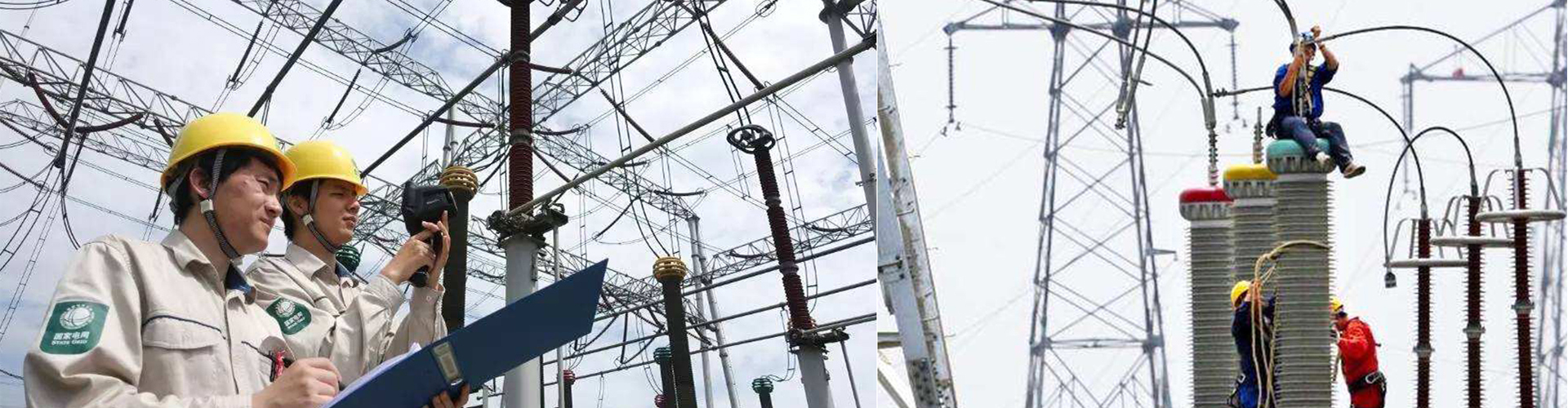
Power Testing: In the maintenance and testing of power systems, high-voltage generators are used to simulate grid operating conditions under extreme conditions and verify the insulation performance of equipment.
Medical Imaging: Equipment such as X-ray machines and CT scanners require high-voltage generators to produce sufficient voltage to drive the X-ray tube.
Scientific Research: In fields such as particle accelerators and plasma research, high-voltage generators provide the necessary energy source.
Industrial Processing: High-voltage generators play a key role in processes such as electrostatic spraying and air purification.
Safety Considerations
Due to the involvement of high voltage, the safety of high-voltage generators is of utmost importance. The design must fully consider measures such as electrical isolation, overload protection, and short-circuit protection. At the same time, operators should receive professional training, wear appropriate protective equipment, and comply with safety operating procedures.
Development Trends
With the application of new materials and new technologies, high-voltage generators are developing towards miniaturization and intelligence. For example, the use of wide-bandgap semiconductor materials such as silicon carbide (SiC) and gallium nitride (GaN) has improved the efficiency and reliability of high-voltage generators; the integration of embedded systems and Internet of Things technology enables remote monitoring and fault diagnosis capabilities.
Conclusion
As an indispensable tool in many fields, the importance of high-voltage generators is self-evident. With technological advancements and changes in social needs, high-voltage generators will become more efficient and intelligent in the future, and while ensuring safety, they will contribute to the development of human society.
When writing an article about high-voltage generators, the depth and breadth of the content can be appropriately adjusted based on the characteristics of the target audience, ensuring accurate information while improving the readability and practicality of the article.