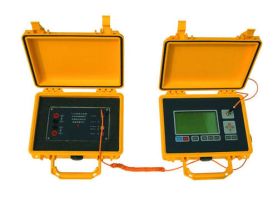
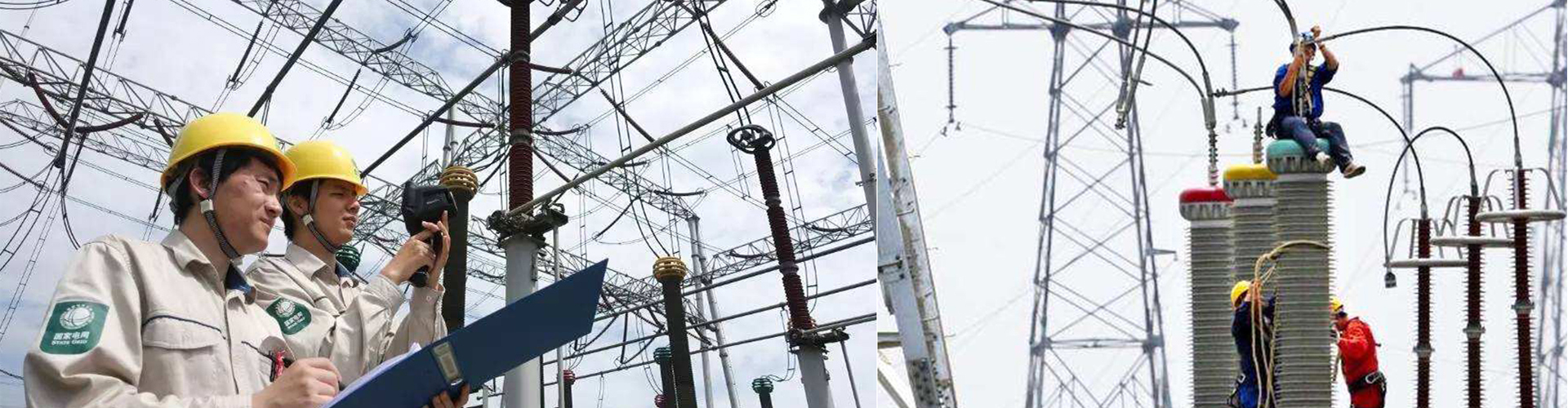
Ultrasonic partial discharge detector is a professional tool used for partial discharge detection in power equipment. It utilizes ultrasonic technology to capture partial discharge signals generated inside power equipment, thereby helping technicians identify potential faults in a timely manner. This article will provide a detailed introduction to the working principle, technical features, usage methods, and application value of ultrasonic partial discharge detectors in the power industry.
1. Working Principle
The ultrasonic partial discharge detector mainly performs partial discharge detection through the following steps:
Signal Acquisition: Use the built-in ultrasonic sensor to capture ultrasonic signals generated inside power equipment.
Signal Conversion: Convert the captured ultrasonic signals into electrical signals.
Signal Processing: Amplify and filter the electrical signals through the internal processor.
Result Display: Display the intensity and location information of partial discharge on the digital display screen.
Alarm Function: When the partial discharge intensity exceeds the preset threshold, the instrument will issue an alarm.
2. Technical Features
The main technical features of the ultrasonic partial discharge detector include:
Non-invasive Detection: Detection can be completed without shutdown, without affecting the normal operation of the equipment.
High Sensitivity: Capable of capturing weak ultrasonic signals with high detection accuracy.
Strong Anti-interference Capability: Can work normally in complex electromagnetic environments.
Multi-functionality: Equipped with multiple display modes, such as time domain and frequency spectrum, for user convenience in analysis.
Easy Operation: Designed with user-friendliness in mind, easy to operate.
3. Usage Methods
Power-on Self-check: Perform a self-check after powering on to ensure the instrument works properly.
Parameter Setting: Set appropriate detection parameters according to the detection object.
Signal Acquisition: Place the sensor on the surface of the equipment to be tested and start collecting ultrasonic signals.
Data Analysis: Observe the signal intensity changes on the display screen and analyze the partial discharge condition.
Result Recording: Record the detection results, and take photos or videos for evidence if necessary.
4. Application Scenarios
Ultrasonic partial discharge detectors are widely used in various aspects of the power system, including but not limited to:
Transformer Detection: Used to monitor insulation aging or damage inside transformers.
Switchgear Detection: Check whether there is partial discharge inside switchgear.
Cable Terminal Detection: Evaluate the insulation condition of cable terminals.
Generator Detection: Monitor whether there is partial discharge or other abnormalities inside generators.
5. Precautions
Safety First: Must comply with power safety regulations and wear personal protective equipment during operation.
Correct Usage: Use the instrument correctly according to the instruction manual to avoid damage caused by improper operation.
Regular Maintenance: Regularly inspect and maintain the instrument to ensure it is always in good condition.
6. Conclusion
With its advanced technology and multi-functionality, the ultrasonic partial discharge detector plays an important role in the health monitoring of power equipment. It not only improves the safety of the power system but also greatly enhances the efficiency of equipment maintenance. With the development of the power industry and technological progress, the application of such detection equipment will become more widespread and important.