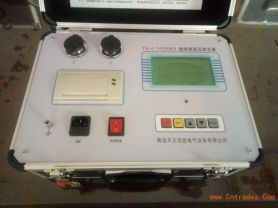
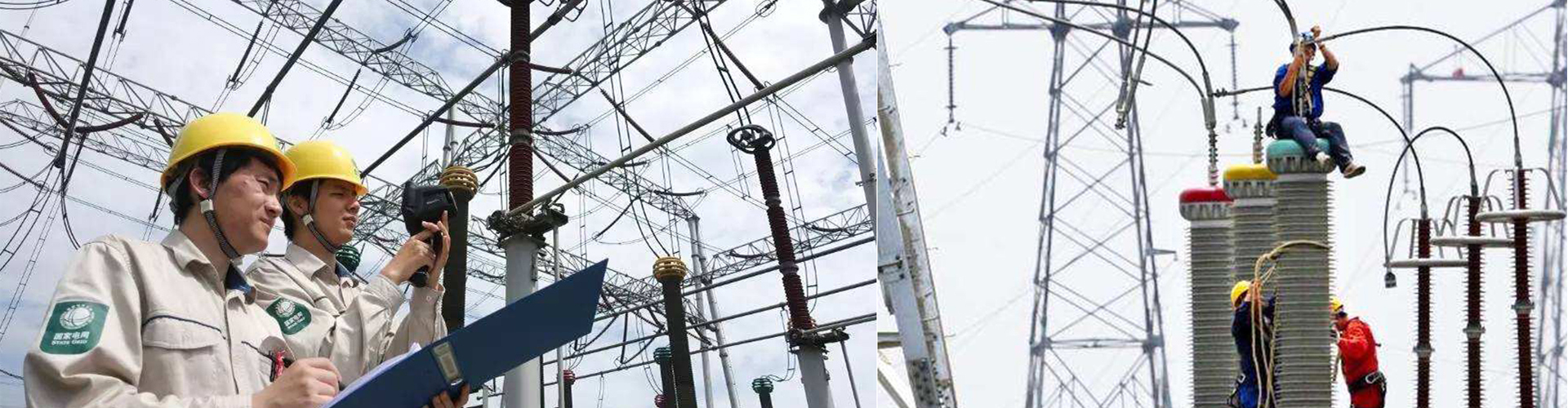
In power systems, ensuring phase consistency of high-voltage lines and equipment is crucial for the safe operation of the power network. The 10KV high-voltage wireless phase verifier, as an advanced detection tool, achieves long-distance phase comparison through wireless technology, greatly improving the work efficiency and safety of power engineering personnel in high-voltage environments. This article aims to explore the technical principles, main functions, operating guidelines, and application value of the 10KV high-voltage wireless phase verifier in power systems.
1. Technical Principles
The 10KV high-voltage wireless phase verifier is based on the principle of electromagnetic induction and utilizes wireless signal transmission technology to perform phase measurement without directly contacting high-voltage lines. The equipment generally consists of a transmitting unit (sensor), a receiving unit (display terminal), and an insulating operating rod. The transmitting unit senses the electric field strength of the high-voltage line and converts the phase information into wireless signals for transmission. The receiving unit captures these signals, calculates the phase difference through a built-in microprocessor, and finally displays it on the screen, possibly accompanied by audible alerts.
2. Main Functions
The main functions of the 10KV high-voltage wireless phase verifier include:
Phase Measurement: Accurately measure the phase angle of high-voltage lines to determine if they are in phase.
Frequency Detection: Detect the frequency of the line to ensure system synchronization.
Wireless Communication: The transmitting unit and receiving unit communicate via wireless signals, allowing operators to read data from a safe distance.
Auto Power Off: Automatically shuts down after prolonged inactivity to save power.
Wide Operating Temperature Range: Can operate in temperatures ranging from -35°C to +50°C, adapting to various climatic conditions.
3. Operating Guidelines
The basic steps for using the 10KV high-voltage wireless phase verifier are as follows
Check the equipment: Ensure the device is intact and the battery is fully charged.
Connect the sensor: Attach the sensor of the transmitting unit to the high-voltage line to be tested.
Start the receiving unit: Turn on the receiving unit and wait for the device self-check to complete.
Perform phase verification: Observe the display on the receiving unit from a safe distance to determine if the phases are consistent.
Record results: Record the phase measurement results for subsequent analysis or reporting.
Safe shutdown: Follow power safety regulations to ensure all equipment is disconnected and properly stored.
4. Application Value
The application value of the 10KV high-voltage wireless phase verifier in power systems is mainly reflected in:
Enhanced Safety: Wireless technology avoids direct contact with high-voltage lines, reducing the risk of safety accidents.
Improved Efficiency: Long-distance wireless communication reduces operation time and labor costs, improving on-site work efficiency.
Ensuring Grid Stability: Accurate phase measurement helps prevent phase mismatch during grid integration, ensuring safe operation of the power system.
Conclusion
The 10KV high-voltage wireless phase verifier, as a key technology in the field of power engineering, provides an efficient and safe phase verification solution for power systems through its advanced wireless communication and phase measurement capabilities. With the continuous development of the power industry, such equipment will continue to play an important role in power system maintenance and construction, promoting the stability and safety of the power network.