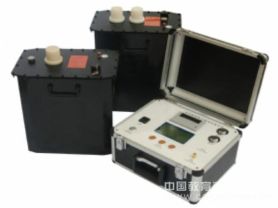
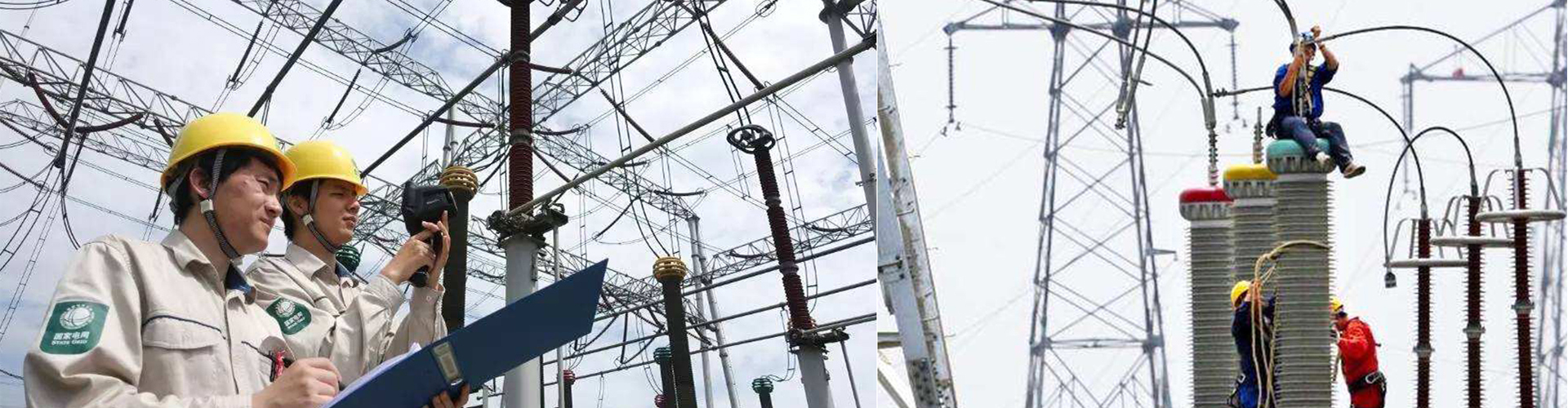
The relay protection tester is a crucial testing device in power systems, used to verify the performance and response capability of relay protection devices, ensuring the stable operation of the power system and personal safety. With the increasing complexity of power systems, the role of relay protection testers has become more prominent, making them essential tools in power maintenance and repair work.
Working Principle and Technical Features
The working principle of the relay protection tester involves simulating various operating conditions in the power system, including overload, short circuit, ground fault, etc., to test the response speed and accuracy of protection devices. It achieves this through the following technical features:
High-precision waveform generation: Uses high-performance digital control processors and double-precision algorithms to generate high-precision voltage and current waveforms, even including harmonic components.
Multi-functional test modules: Includes various test modes such as DC, AC, differential, harmonic, power impedance, etc., to meet the testing needs of different protection devices.
Intelligent operation interface: Provides a graphical user interface, supporting keyboard and mouse operations, making the testing process intuitive and easy to understand.
Data recording and analysis: Automatically records test data, draws vector diagrams and characteristic curves, facilitating subsequent analysis and report generation.
GPS synchronous triggering: Optional GPS synchronization function achieves millisecond-level precise synchronization, suitable for test scenarios requiring high time accuracy.
Application Fields
Relay protection testers are widely used in multiple aspects of the power system:
Preventive tests: Conduct regular tests on relays, microcomputer protection devices, and other protection equipment to ensure reliable operation during actual faults.
Line protection testing: Check the sensitivity and selectivity of line protection devices to ensure rapid isolation of affected parts during faults.
Generator and transformer protection: Verify the performance of generator-transformer unit protection, ensuring timely response during overload or internal faults.
Automatic synchronizing device testing: Ensure that generator units synchronize with the grid when connecting to the grid, avoiding impact currents.
Standby automatic switching and bus differential protection: Test the functions of standby power automatic switching and bus protection systems to ensure power supply continuity.
Operation and Maintenance
Correct operation and regular maintenance are key to ensuring the performance of relay protection testers:
Operation training: Users should receive professional training to become familiar with the operation procedures and safety regulations of the tester.
Regular calibration: Regularly calibrate the tester to maintain its measurement accuracy.
Cleaning and maintenance: Keep the equipment clean to avoid the impact of dust and moisture on electronic components.
Troubleshooting: In case of abnormal situations, promptly investigate the cause and contact professional technical personnel for repair if necessary.
Conclusion
The relay protection tester is an important tool in power system maintenance, and its accuracy and reliability are directly related to the safe operation of the power system. With continuous technological advancement, future relay protection testers will develop towards higher precision, greater intelligence, and more portability, providing stronger support for the safety and efficiency of the power industry.