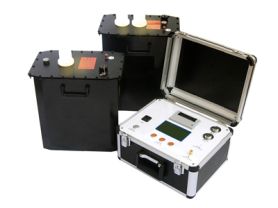


Comprehensive feature testing typically follows these steps:
Comprehensive feature testing, as a key link in product quality control and performance evaluation, refers to conducting multi-dimensional and all-round testing on products to ensure that their various performance indicators meet design requirements and industry standards. This process is particularly important in many fields, especially high-tech manufacturing, electronic products, automotive manufacturing, and the aviation sector. The following is an article outlining comprehensive feature testing, focusing on its purpose, process, key elements, and the latest technological trends.
Purpose of Comprehensive Feature Testing
Comprehensive feature testing aims to verify the functionality, performance, safety, and reliability of products, ensuring they can operate stably under the expected usage environment and conditions. This includes but is not limited to:
- Functional Verification: Ensure that all components of the product work together to complete the tasks specified in the design.
- Performance Evaluation: Test the product's performance under different operating conditions, such as response time, efficiency, accuracy, etc.
- Compatibility Testing: Verify the product's ability to interact and be compatible with other systems, devices, or software.
- Environmental Adaptability: Simulate extreme conditions (such as high and low temperatures, humidity, vibration, shock, etc.) to test product performance.
- Safety and Stability: Detect the product's protection mechanisms under abnormal conditions and its stability during long-term operation.
Testing Process
Comprehensive feature testing typically follows these steps:
- Requirements Analysis: Clarify testing objectives, determine test items based on product specifications and industry standards.
- Test Plan Development: Design the test plan, including test environment setup, test equipment selection, test procedure arrangement, etc.
- Test Execution: Implement various tests according to the plan and collect data.
- Data Analysis: Perform statistical analysis on test results to determine whether expected indicators are met.
- Problem Feedback and Optimization: Feed discovered issues back to the design team, propose improvement suggestions, and conduct iterative testing when necessary.
Key Elements
- Test Equipment and Tools: High-precision measuring instruments, environmental simulation chambers, automated test systems, etc.
- Testing Standards: Adhere to relevant domestic and international industry standards, such as ISO, IEC, ASTM, etc.
- Professional Talent: Test engineers with professional knowledge and experience are key to ensuring test quality.
- Data Management: Effective data recording and analysis systems ensure the accuracy and traceability of test results.
Latest Technological Trends
- Automation and Intelligence: Utilize technologies such as machine vision and AI algorithms to improve testing efficiency and accuracy, achieving unmanned testing.
- Cloud Testing Platforms: Integration of cloud testing resources, supporting remote control, resource sharing, and big data analysis.
- Virtual Simulation Testing: Use CAE (Computer-Aided Engineering) for simulated testing during the product prototype stage, reducing costs and shortening development cycles.
- Non-Destructive Testing Technologies: Such as ultrasonic, X-ray, infrared thermography, etc., which can conduct in-depth inspections without damaging the product.
In summary, comprehensive feature testing is an important link in ensuring high-quality product delivery. It integrates advanced testing technologies and management concepts, continuously driving product innovation and industrial upgrading. With the continuous advancement of technology, future testing methods will become more efficient and intelligent, further enhancing product competitiveness and user satisfaction.