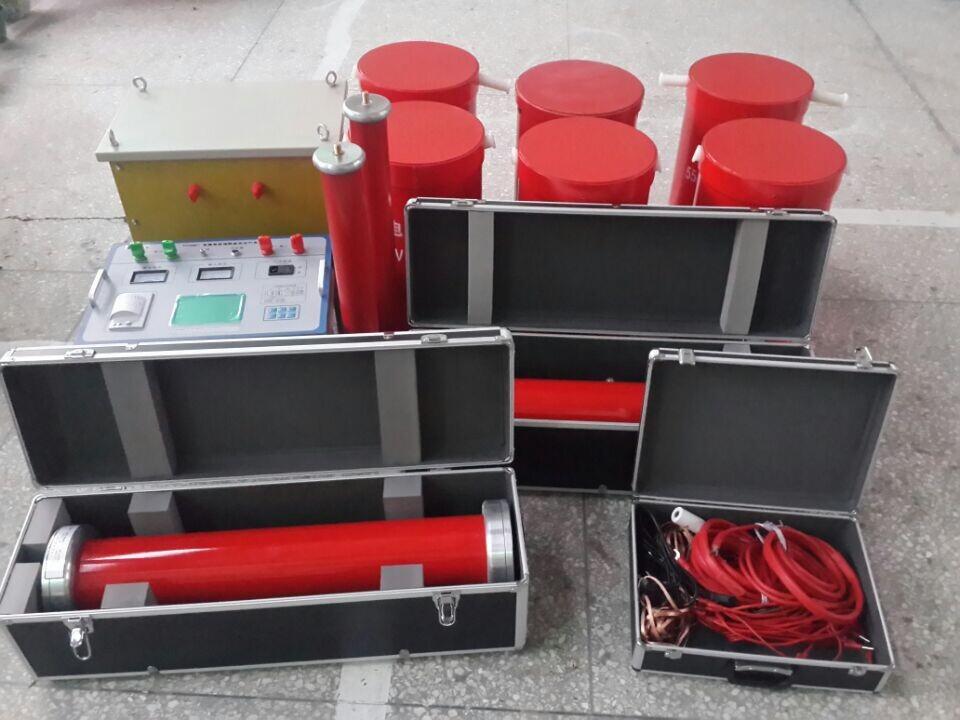


Insulation resistance tester, also known as megohmmeter, megger, or high resistance meter, is an instrument specifically used to measure the insulation resistance of electrical equipment, cables, motor windings, and other electrical systems. This testing is crucial for ensuring the safe operation of electrical equipment, as it helps identify potential electrical fault points such as insulation aging, moisture, or damage.
Insulation resistance testers typically apply a DC voltage (ranging from tens of volts to several kilovolts) to the object under test and measure the current flowing through it, thereby calculating the insulation resistance. The measured voltage and current values determine the magnitude of the insulation resistance, usually expressed in megohms (MΩ).
When using an insulation resistance tester, there are some basic steps and precautions to follow:
Preparation and Inspection:
Ensure the device under test is de-energized and any capacitive loads are fully discharged.
Perform open-circuit and short-circuit tests on the tester itself to verify its functionality.
Wiring:
Connect the test leads of the tester to the device under test. Typically, there is a high-voltage test lead (red) and a ground lead (black). Some testers also provide a guard lead to reduce the influence of surface leakage currents.
Setting Test Voltage:
Select the appropriate test voltage based on the type and requirements of the device under test.
Starting the Test:
Start the tester, apply the voltage, and record the insulation resistance reading.
Reading and Recording Data:
Once the reading stabilizes, record the insulation resistance value.
Ending the Test:
Turn off the tester, disconnect the high voltage, and then discharge any capacitive loads.
Safe Operation:
Throughout the process, follow all relevant safety guidelines to ensure the safety of operators and others.
Insulation resistance testers play an important role in power system maintenance, electrical equipment repair, and production quality control, and are one of the commonly used tools for electrical engineering technicians.