
Introduction
In modern power systems, transformers, as the core equipment for power conversion and transmission, play a crucial role. Among them, the On-Load Tap Changer (LTC), as a key component of transformers, enables the transformer to adjust its turns ratio under load conditions, thereby dynamically regulating the output voltage, ensuring the stable operation of the power system and power quality. This article will delve into the principles, functions, maintenance, and development trends of on-load tap changers, providing comprehensive understanding and practical guidance for professionals in the power industry.
Working Principle of On-Load Tap Changer
The on-load tap changer allows the transformer to change the number of winding turns on its high-voltage or low-voltage side without interrupting the load current, thereby adjusting the transformer's turns ratio. This process is typically completed by an automatic control system that monitors the grid voltage and automatically adjusts the tap position based on preset voltage thresholds. The switching process of the on-load tap changer must pass through a transition resistor to limit the current surge at the moment of switching, protecting the transformer from excessive voltage and current fluctuations.
Functions of On-Load Tap Changer
Voltage Regulation: The on-load tap changer can automatically or manually adjust the transformer's turns ratio according to grid voltage changes without power interruption, keeping the output voltage within the set range and ensuring the continuity and stability of power supply.
Power Factor Optimization: By adjusting the transformer's turns ratio, the on-load tap changer helps improve the power factor of the grid, reduce reactive power losses, and enhance the overall efficiency of the power system.
Load Balancing: In systems where multiple transformers operate in parallel, the on-load tap changer helps balance the loads of transformers, preventing overload on any single transformer and improving the reliability and safety of the system.
Maintenance of On-Load Tap Changer
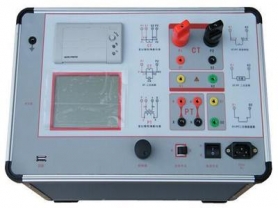
Due to the critical position of the on-load tap changer in the power system, its maintenance cannot be neglected. Regular inspection, cleaning, and lubrication are essential to ensure the reliability of the switch and extend its service life. Additionally, using an on-load tap changer tester for performance testing to promptly detect and address issues such as poor contact and abnormal transition resistance is also an important part of maintenance work.
Development Trends and Technological Innovation
With the advancement of power electronics technology and automation control, on-load tap changers are developing towards intelligence and digitalization. For example, the use of advanced sensors and communication technologies enables remote monitoring and diagnosis, improving maintenance efficiency; while integrated intelligent control algorithms can more precisely regulate voltage, adapting to grid fluctuations caused by the integration of renewable energy.
Conclusion
The on-load tap changer, as a key device for dynamic voltage regulation in power systems, is of undeniable importance. By deeply understanding its working principles and functions, and taking effective maintenance measures, the power industry can ensure the stable operation of the grid, improve power quality, and promote the sustainable development of the power system. With continuous technological progress, the performance of on-load tap changers will be further enhanced, making greater contributions to the intelligence and efficiency of power systems.