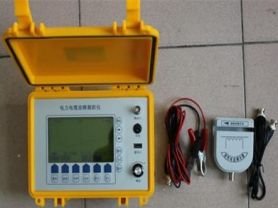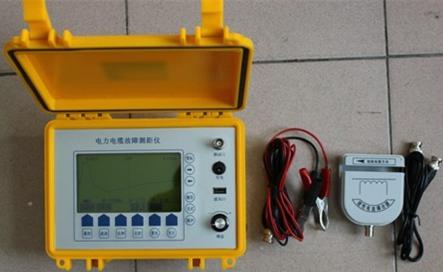
Coal mines are major users of cables. Due to the harsh underground working conditions, the annual damage rate of various cables is relatively high. To save costs and reduce production expenses, most mines are equipped with their own cable fault detectors. However, due to limitations in testing equipment and processes, fault detection tests on cables such as those used in fully mechanized mining often yield unsatisfactory results, and most methods employ forced breakdown techniques that significantly damage cable insulation. This device is based on the partial discharge method, which does not destroy the original structure of the cable, allowing for simple and accurate detection of cable damage locations. It also has the function of testing after repair, making it a highly reliable tool for coal mine cable maintenance operations. The mining cable fault detection equipment is specifically designed for testing various mining cables below 6KV on the coal mine surface, and for conducting DC withstand voltage tests and leakage current tests after cable repair. It is a comprehensive and essential tool for cable repair and testing that complies with the "Coal Mine Electrical Test Regulations".
Main technical parameters of the mining cable fault detector:
Current and voltage: Single-phase AC 220V, 50Hz
DC output voltage for fault detection: 0—30KV (button control)
Cable fault detection accuracy: within ±50mm
Test output DC voltage: 0—30KV (button control)
Automatic withstand voltage test time: 0—30 minutes (settable)
Leakage current test range: 0—100 microamperes
Main transformer rated capacity: 3KVA
Rectification method: Single-phase half-wave
Discharge ball gap: Adjustable via handle screw
Dimensions: 1100×1000×1200mm (width×depth×height)
Weight: approximately 45Kg