Safe Operation Guide for Partial Discharge Tester
Safe operation is crucial when using a partial discharge tester. Correct operation not only ensures the effectiveness of the test but also maximizes the protection of the operator's personal safety and the safety of the test equipment. Below is an overview of an article on the safe operation of partial discharge testers.
Safe Operation Guide for Partial Discharge Tester
Overview
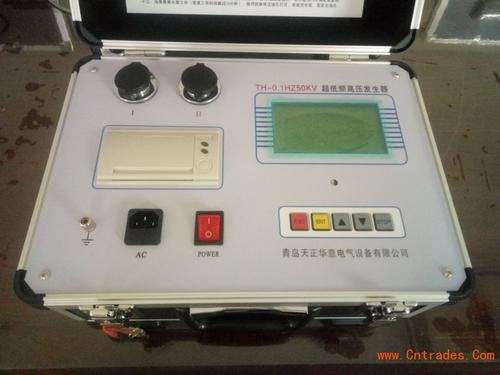
A partial discharge tester is a professional device used to detect partial discharge phenomena in power equipment. Due to the involvement of high-voltage environments, safe operation is particularly important. This guide aims to provide some basic safety operation principles and steps to ensure the safety of personnel and equipment during testing.
Safety Operation Principles
- Training and Qualification: Operators must undergo professional training and possess the corresponding operational qualifications.
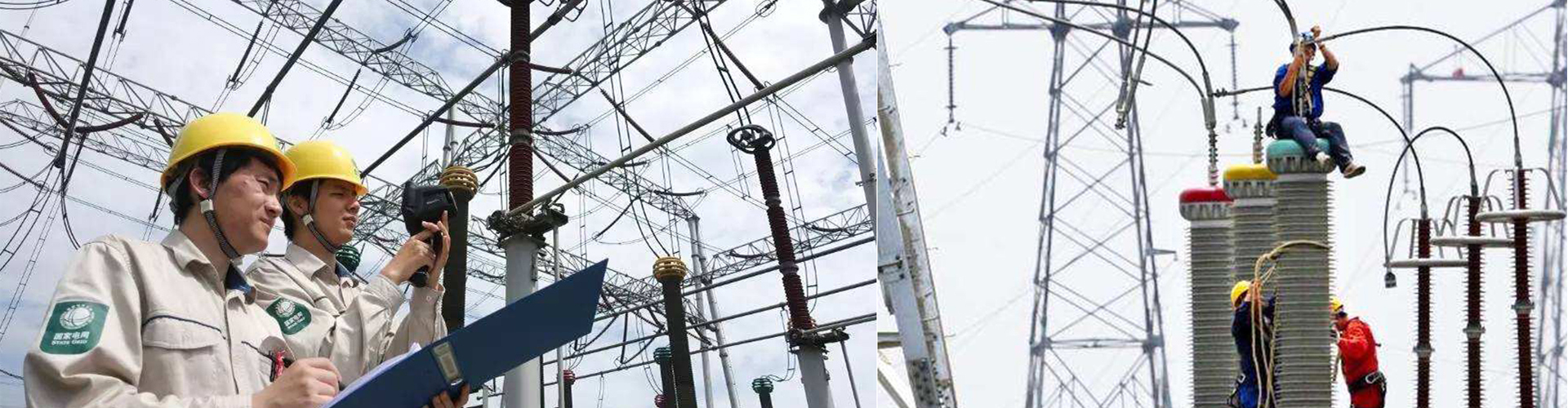
- Personal Protection: Wear appropriate personal protective equipment, including insulating gloves, safety goggles, and protective clothing.
- Environmental Preparation: Ensure the test area is clean and free of debris to avoid the risk of slipping or tripping.
- Equipment Inspection: Check the tester and its accessories before each use to ensure they are in good working condition.
- Safety Distance: Maintain a sufficient safety distance from the equipment under test, especially in high-voltage environments.
- Emergency Measures: Develop and be familiar with emergency response measures, including first aid and evacuation plans.
Pre-Test Preparation
- Reference Materials: Carefully read the equipment manual and relevant technical documents to understand the usage methods and precautions of the tester.
- Risk Assessment: Assess potential risks during the testing process and take corresponding measures to avoid them.
- Tool Preparation: Prepare all necessary testing tools and equipment to ensure they are complete and available.
- Site Layout: Arrange the test site according to testing needs, ensuring sufficient space for operation.
Safe Operation During Testing
- Equipment Connection: Correctly connect the tester and the equipment under test according to the manual's instructions.
- Parameter Setting: Set the tester's parameters according to the specifications of the equipment under test.
- Start Test: Start the tester and closely monitor various indicators during the test.
- Signal Acquisition: Acquire signals generated by partial discharge and ensure the accuracy and completeness of the data.
- Data Recording: Record all data collected during the test for subsequent analysis.
- Result Interpretation: Evaluate the insulation status of the equipment under test based on the test results.
Post-Test Precautions
- Power Off: After completing the test, ensure all power sources are turned off and the equipment is in a safe state.
- Clean Up: Organize testing tools and equipment, and clean the test site.
- Data Analysis: Conduct in-depth analysis of the collected data and write a detailed test report.
- Equipment Maintenance: Regularly maintain and calibrate the tester to ensure it is always in optimal working condition.
Conclusion
By following the above safe operation guide, the safety of personnel and equipment during partial discharge testing can be effectively ensured. Correct use of the partial discharge tester not only improves the accuracy and reliability of the test but also helps prevent potential safety accidents, ensuring the safe and stable operation of the power system.
The above is an overview of the safe operation guide for partial discharge testers. If you need more detailed information or an introduction to a specific model, please let me know your specific needs.