The Importance of Short-Circuit Protection
Preventing Equipment Damage:
Overload Protection: The built-in overload protection function can automatically cut off the power supply when the current exceeds the set value, preventing equipment damage due to overload.
Short-Circuit Protection: When a short circuit occurs at the output end, abnormal conditions can be quickly detected, and the current is immediately cut off to prevent equipment overheating or damage.
Ensuring Operator Safety:
Reducing Electric Shock Risk: Timely current cutoff during a short circuit can reduce the risk of electric shock.
Lowering Fire Risk: Short-circuit protection helps avoid sparks or fires caused by excessive current.
Improving Test Reliability:
Ensuring Test Conditions: Ensures that even if a short circuit occurs during testing, the accuracy of test results will not be affected.
Avoiding Test Interruption: The short-circuit protection mechanism can prevent tests from being interrupted due to unexpected situations.
Technical Implementation
Monitoring Circuit:
Real-time Monitoring: The built-in monitoring circuit monitors changes in output current in real time.
Abnormality Detection: Once a sudden increase in current or exceeding the normal range is detected, the protection mechanism is immediately triggered.
Fast Response:
Instantaneous Cutoff: When a short circuit is detected, the current can be quickly cut off, typically with a response time in milliseconds.
Restart Function: After troubleshooting, the device can be manually or automatically restarted to continue testing.
Multiple Protection Mechanisms:
Overload Protection: In addition to short-circuit protection, it also has overload protection to ensure the equipment is protected under various abnormal conditions.
Temperature Protection: Built-in temperature sensors can automatically cut off the current when the equipment overheats.
Application Example
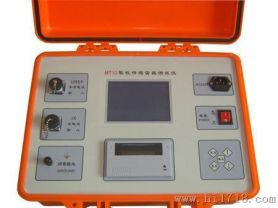
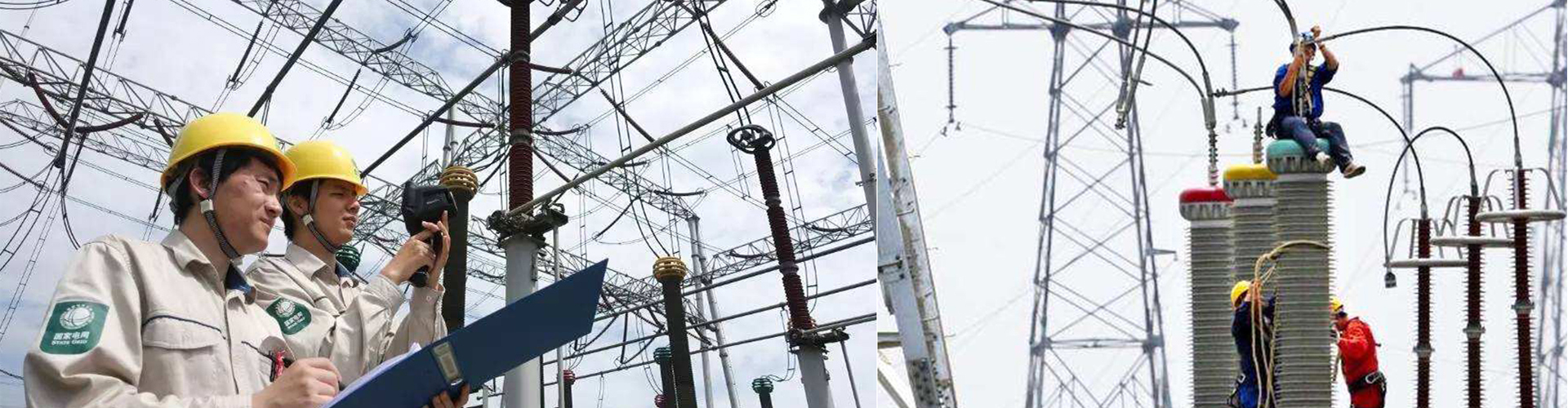
Suppose a power company needs to test a batch of new circuit breakers to ensure they can work properly under high-current conditions. In this case, a high-current generator can be used to simulate the current conditions under actual working conditions. For example, choose a high-current generator with a maximum output current of 3000A, connect the circuit breaker to the output end, and set the appropriate current value and test time. If a short circuit occurs in the circuit breaker during the test, the short-circuit protection function of the high-current generator will respond quickly, cutting off the current output to prevent equipment overheating or damage.
Precautions
Safe Operation: When using a high-current generator, safety regulations must be strictly followed, and appropriate safety measures should be taken.
Environmental Conditions: Ensure the equipment operates under suitable temperature and humidity conditions to avoid failures caused by overheating or humid environments.
Regular Maintenance: Regularly maintain and calibrate the equipment to ensure stable and reliable performance.
If you need more information about high-current generators or have specific product requirements, please feel free to let me know.