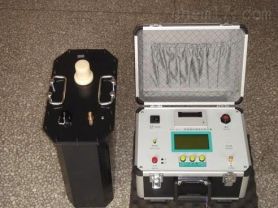

In modern industry, scientific research, and daily life, the application of digital display interfaces in various measuring instruments is becoming increasingly common. This interface not only improves the efficiency of reading measurement results but also greatly enhances the user experience, making data analysis and recording simpler and faster. Below, we will explore the applications and advantages of digital display interfaces in different fields.
Advantages of Digital Display Interfaces
Clear and Intuitive
Digital display interfaces present measurement data in numerical form through LED or LCD screens, making it clear, intuitive, and easy to read at a glance. Compared to traditional analog meters, digital displays avoid reading errors, allowing operators to read data accurately without mistakes.
Fast Response
Digital display interfaces can update measurement results in real-time, which is particularly useful for scenarios requiring continuous monitoring. For example, in chemical experiments, changes in temperature and pressure need real-time monitoring; digital display interfaces can respond quickly, ensuring the accuracy of experimental data.
Data Recording and Storage
Many modern measuring instruments are equipped with data recording functions, allowing measurement data to be saved through the digital display interface for subsequent analysis and report generation. This is especially important for long-term monitoring or research projects.
Connectivity and Communication
Digital display interfaces typically support connection to computers or other electronic devices, enabling remote monitoring and data transmission. This feature is extremely important in industrial automation, remote monitoring, and IoT applications.
Application Examples
Scientific Research
In laboratories, digital display interfaces are widely used in various measuring devices such as pH meters, thermometers, and barometers, ensuring the accuracy and repeatability of experimental data.
Medical and Health
Medical devices such as blood pressure monitors and glucose meters use digital display interfaces, allowing patients or healthcare professionals to easily read and understand measurement results, which is particularly important for home health monitoring.
Industrial Production
In factory workshops, digital display interfaces are used to monitor various parameters during production, such as temperature, pressure, and flow rate, helping to improve product quality and production efficiency.
Aerospace
In the aerospace field, digital display interfaces on flight instrument panels provide critical information about aircraft status, including altitude, speed, and fuel level, which is vital for pilots.
Conclusion
The introduction of digital display interfaces has greatly enhanced the practicality, accuracy, and usability of measuring equipment. Whether in scientific research, industrial production, or daily health management, digital display interfaces play an irreplaceable role, promoting rapid information exchange and efficient data management. With continuous technological advancement, we have reason to believe that digital display interfaces will play an even greater role in more fields in the future, bringing more convenience to human life and work.