
Introduction
In the power system, transformers play a core role, responsible for stepping up or down voltage to meet the needs of different power consumption scenarios. The On-Load Tap Changer (LTC), as a key component inside the transformer, often has its importance underestimated. This article aims to delve into the functions, working principles, maintenance requirements, and role of the on-load tap changer in modern power systems, providing valuable insights for power engineers and maintenance personnel.
Basic Concepts of On-Load Tap Changer
An on-load tap changer is a special switching device installed inside a transformer, used to adjust the transformer's turns ratio while it is energized. This adjustment capability allows the transformer to automatically or manually adjust the output voltage according to grid voltage changes without interrupting the load, thereby maintaining stable power supply quality. The LTC achieves fine-tuning of the turns ratio by switching different winding taps, thus achieving voltage regulation.
Working Principles and Technical Features
The working principle of the on-load tap changer involves several key technical points:
Switching Process: When the LTC switches taps, it first briefly connects the original tap and the target tap in parallel through a transition resistor or reactor to limit the circulating current during the switching process, protecting the transformer from current surges.
Control and Monitoring: Modern LTCs are typically equipped with sophisticated control systems and monitoring equipment, capable of real-time monitoring of the transformer's operating status, automatically executing tap changes to ensure voltage levels meet preset standards.
Intelligence and Networking: With the development of IoT and smart grid technologies, on-load tap changers are gradually incorporating intelligent elements, supporting remote monitoring and diagnostics, improving maintenance efficiency and response speed.
Maintenance and Fault Detection
Due to the frequent operation of on-load tap changers in high-voltage environments, their maintenance and fault detection are crucial. Regular maintenance work includes but is not limited to:
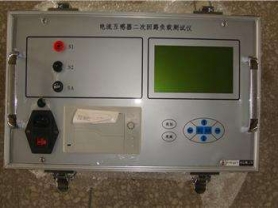
Electrical Performance Testing: Use specialized on-load tap changer testers to detect parameters such as contact resistance and transition resistance, ensuring the switch's electrical performance meets requirements.
Mechanical Inspection: Check the mechanical parts of the tap changer, such as contacts and transmission mechanisms, to ensure smooth operation without wear or damage.
Oil Quality Analysis: LTCs are usually immersed in transformer oil, and regular oil quality testing can promptly detect insulation aging or contamination, preventing potential faults.
The Role of On-Load Tap Changer in the Power System
In the power system, the role of the on-load tap changer is not limited to voltage regulation; it is also reflected in the following aspects:
Improving System Stability: By dynamically adjusting voltage, the on-load tap changer can effectively respond to grid fluctuations and maintain system stability.
Optimizing Power Transmission: In long-distance transmission lines, reasonable placement and parameter settings of LTCs can significantly reduce line losses and improve transmission efficiency.
Enhancing Fault Recovery Capability: In the event of a grid fault, rapid voltage adjustment capability helps accelerate system recovery, reducing the scope and duration of outages.
Conclusion
Although the on-load tap changer is small, it plays an irreplaceable role in the efficient operation of the power system. With continuous technological advancement, future on-load tap changers will become more intelligent and reliable, serving as an important cornerstone for building smart grids and improving power service quality. Professionals in the power industry should fully recognize the value of LTCs, strengthen their maintenance and management, to ensure the long-term stability and efficient operation of the power system.