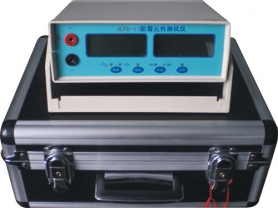
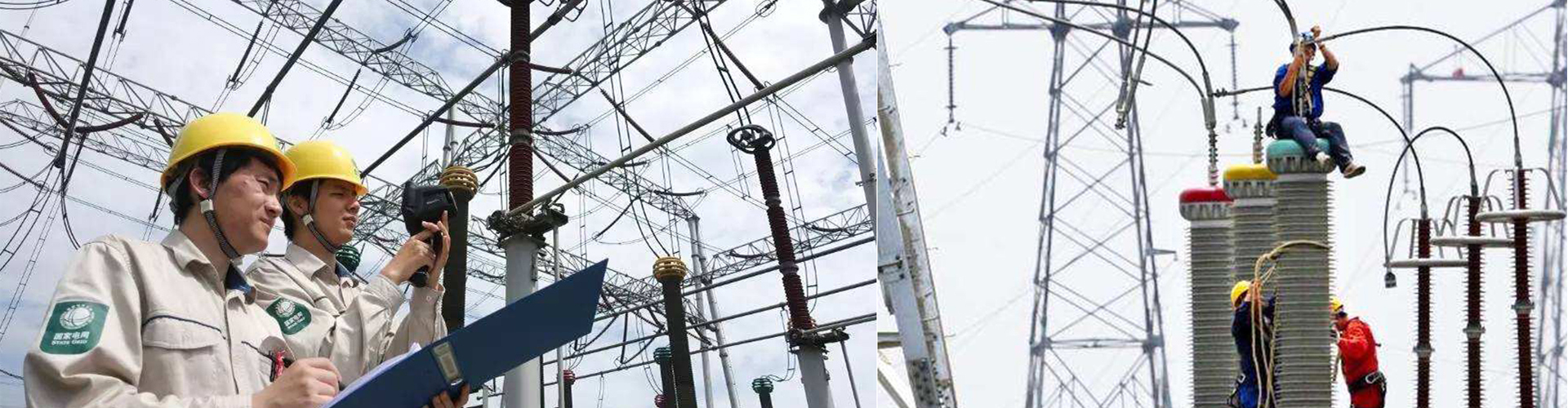
Under the complex and vast architecture of today's power systems, relay protection devices are indispensable cornerstones for maintaining stable grid operation. They act like the nervous system of the power grid, instantly sensing and rapidly responding to various faults, effectively preventing accident escalation. The crucial task of ensuring these protection devices are always in optimal condition falls on the shoulders of the relay protection tester, a precision instrument. This article delves into the working principles, functional features, and key role of relay protection testers in safeguarding power system safety.
I. Technical Core: The Intelligent Integration of Simulation and Detection
The relay protection tester is based on a high-speed digital control processor, utilizing advanced double-precision algorithms to generate high-precision multi-phase voltage and current waveforms in software, simulating electrical quantity changes under various real operating conditions. These simulations include but are not limited to overcurrent, undervoltage/overvoltage, directional protection, distance protection, and even non-electrical quantity detection such as transformer gas protection and temperature protection. Through voltage transformers and current transformers, field signals are accurately captured and preprocessed to ensure the accuracy of test data.
II. Comprehensive Coverage: Diverse Test Modules
To accommodate the diverse protection needs in power systems, relay protection testers are designed with a rich array of test modules. From basic DC, AC/DC, and AC tests to complex differential tests, differential harmonic tests, power impedance and directional tests, as well as synchronization tests and automatic quasi-synchronization device tests, the tester can comprehensively verify the performance of key protection devices such as microprocessor-based protection, line protection, generator-transformer protection, and bus differential protection.
III. Intelligent Operation and Self-Protection Functions
Modern relay protection testers emphasize ease of use and intelligence, typically equipped with large LCD screens, providing an intuitive operation interface, supporting single-unit operation and dual operation modes, with abundant switching contacts to facilitate testing various protection logic. Additionally, the device itself has self-protection mechanisms such as overheat protection and short-circuit protection to ensure the safety of both the equipment and operators during testing.
IV. Efficient Maintenance and Fault Troubleshooting
Using relay protection testers, maintenance personnel can quickly measure relay protection parameters, debug protection devices, and evaluate their operating characteristics, operating times, and critical values, thereby promptly identifying and resolving potential issues. This not only enhances the efficiency of routine maintenance but also builds the first line of defense before faults occur, greatly enhancing the reliability of the power system.
V. Future Outlook: Integration of Intelligence and Remote Monitoring
With the development of the Internet of Things, big data, and artificial intelligence technologies, future relay protection testers will become more intelligent, with remote monitoring, data analysis, and predictive maintenance capabilities. Through cloud platforms, test data can be uploaded and analyzed in real-time, enabling fault prediction, optimizing protection strategies, and further enhancing the automation level and overall safety efficiency of the power system.
In summary, as an important tool for power system maintenance and upgrade, the relay protection tester not only currently ensures the safe and stable operation of the power grid, but its continuous technological advancement also lays a solid foundation for the future construction of smart grids. With iterative technological upgrades, relay protection testers will continue to play an irreplaceable role on the stage of power safety.