
that occurs in circuits composed of an inductor (L), a capacitor (C), and a resistor (R). When the circuit's frequency reaches a specific value, the energy exchange between the inductor and capacitor reaches equilibrium, making the entire circuit purely resistive. This phenomenon has wide applications in power systems, communication equipment, and various electronic devices. The following is a detailed introduction to series resonance:
Working Principle
In a series resonant circuit, as the input frequency changes, the voltages across the inductor and capacitor cancel each other out, and only the voltage across the resistor affects the total current. When the power supply frequency ff exactly equals the circuit's resonant frequency f_0f
At this point, the circuit's impedance is minimal, the current is maximal, and the phase angle is zero, meaning the voltage and current are in phase. Therefore, under ideal conditions (ignoring resistance), a series resonant circuit can be considered a short circuit.
Characteristics and Advantages
High Selectivity: Near the resonant frequency, the circuit has strong selectivity and filtering capability against external interference signals.
Efficient Energy Conversion: Since power loss in the circuit is mainly concentrated on the resistor during resonance, efficient energy transfer can be achieved.
Narrow Bandwidth Response: Series resonant circuits typically have a narrow bandwidth, making them ideal for applications requiring precise frequency control.
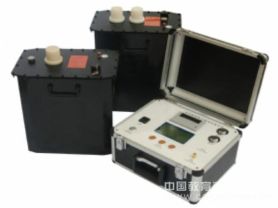
Low Input Power Requirement: They can produce higher output voltage or current with lower input power, especially suitable for high-voltage testing and other fields.
Application Fields
Radio Communication: Receivers such as radios and televisions use series resonance to select desired broadcast channels while suppressing other unwanted frequencies.
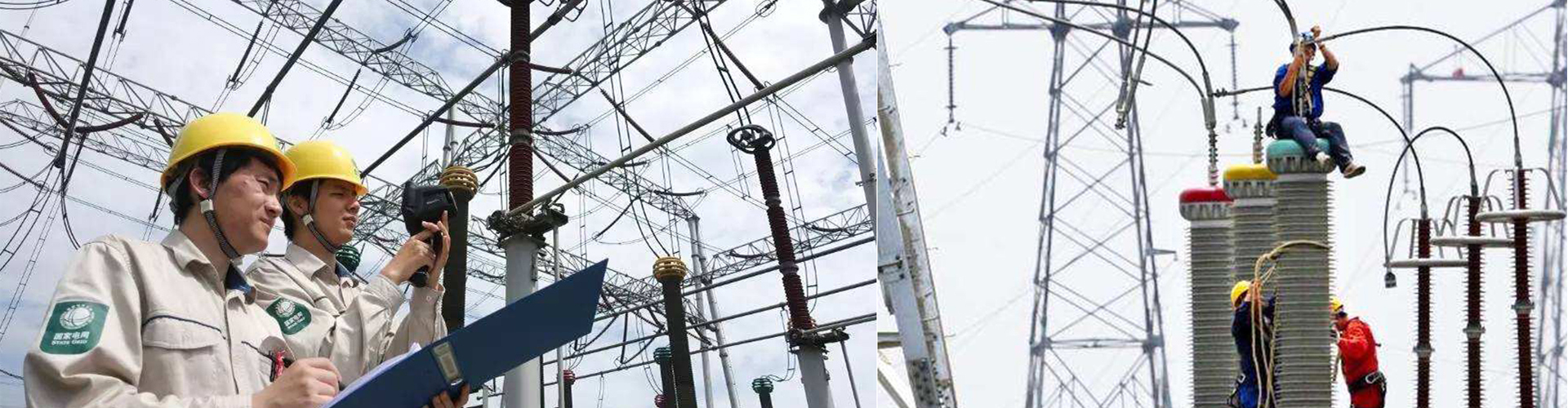
Power Systems: Used to compensate for reactive power in lines, improving grid efficiency; also applied in withstand voltage tests for transformers, cables, and other electrical equipment.
Audio Processing: Equalizers and filters in audio equipment may use series resonant circuits to adjust sound characteristics in specific frequency ranges.
Sensor Technology: Certain types of vibration sensors or pressure sensors rely on the series resonance principle for signal amplification and detection.
Medical Instruments: Devices such as ultrasonic diagnostic instruments use series resonance to enhance signal strength, thereby obtaining clearer image quality.
Practical Application Considerations
Influence of Q Factor: The quality factor (Q factor) of a series resonant circuit determines its frequency selectivity and bandwidth. A high Q value means higher selectivity and narrower bandwidth, but it may also make the circuit more sensitive to parameter changes.
Non-ideal Factors: In practical circuits, there is always some resistance, which affects the resonant frequency and overall performance. These non-ideal factors should be fully considered in design.
Temperature Stability: The characteristics of inductor and capacitor components may change with temperature, so special attention must be paid to temperature compensation measures when operating in high-temperature environments.
Safety Protection: For applications involving high-voltage output, appropriate safety protection measures must be taken to protect operators from electric shock risks.
Development Trends and Future Outlook
With technological advancement, series resonance technology will continue to develop in the following directions:
Enhanced Intelligence: Introducing more automation features such as auto-tuning and remote monitoring to simplify operation processes and improve reliability.
Multi-functional Integration: Developing comprehensive solutions with multiple functions to meet the needs of different application scenarios.
Application of New Materials: Exploring new magnetic and dielectric materials to improve the performance of inductor and capacitor components, further optimizing the performance of series resonant circuits.
Green and Energy-saving Design: Optimizing hardware structure and working modes to reduce energy consumption and minimize environmental impact.
If you are writing an article about series resonance, the above content should provide you with a comprehensive and in-depth understanding. If there are more specific topics or details you wish to explore, please feel free to let me know.