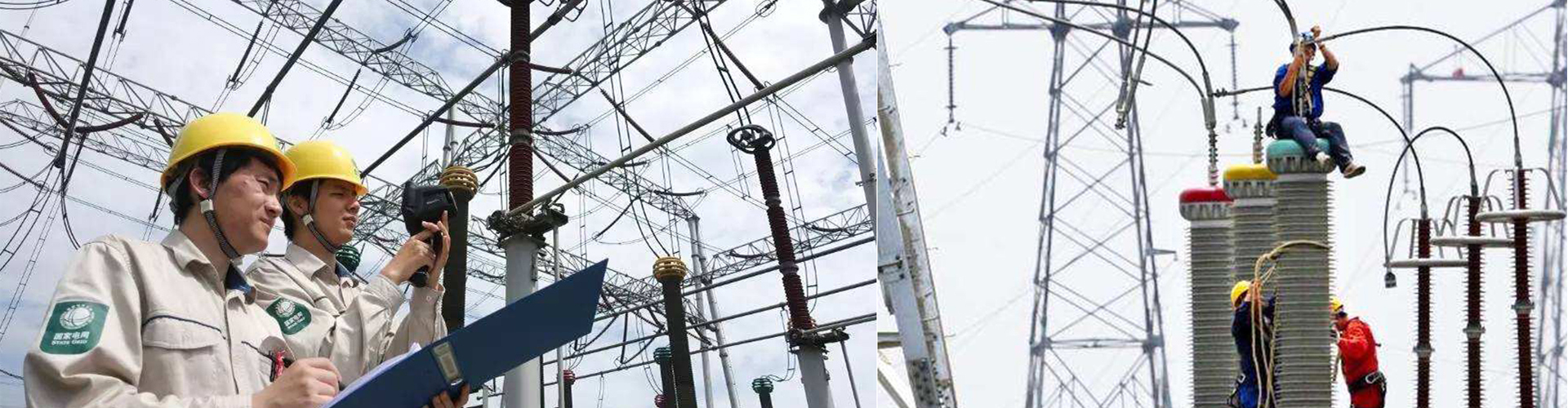
A high-voltage generator is a device capable of producing high voltage
It is widely used in fields such as scientific research, industrial testing, power system maintenance, and medical equipment. Such devices are of great significance for electrical insulation testing, material property research, X-ray generation, and more. Below is an overview of an article about high-voltage generators, including their working principles, types, application areas, and usage precautions.
Overview of High-Voltage Generators
Working Principle
Basic Concept: High-voltage generators convert input low voltage into high-voltage output through various technical means. Common methods include transformer boosting, voltage multiplier circuits, and pulse generators.
Implementation Methods:
Transformer Method: Utilizes the basic principle of transformers to increase voltage by changing the ratio of windings. Suitable for continuous output applications.
Voltage Multiplier Circuit: Uses a voltage multiplier circuit composed of multiple capacitors and diodes to gradually increase voltage. Suitable for applications requiring extremely high voltage but low current.
Pulse Generator: Generates short-duration high-voltage pulses through fast-switching circuits. Suitable for situations requiring instantaneous high voltage, such as lightning simulation and discharge experiments.
Types
DC High-Voltage Generator: Outputs stable DC high voltage, commonly used for insulation withstand voltage tests, material research, etc.
AC High-Voltage Generator: Outputs high-frequency or power-frequency AC high voltage, suitable for withstand voltage tests and partial discharge detection in power systems.
Pulse High-Voltage Generator: Outputs short-duration high-voltage pulses, used for lightning simulation, discharge physics research, etc.
Portable High-Voltage Generator: Small size, light weight, suitable for on-site testing and mobile applications.
Laboratory-Grade High-Voltage Generator: Provides higher precision and stability, suitable for scientific research and precision testing.
Application Areas
Power Industry: Conducts withstand voltage tests on transformers, cables, switchgear, etc., to ensure their insulation performance meets standards.
Scientific Research: Conducts high-voltage experiments in fields such as materials science, physics, and chemistry to study the electrical properties of materials.
Medical Equipment: Used as high-voltage power supplies in medical imaging equipment such as X-ray machines and CT scanners.
Aerospace: Conducts high-voltage testing on avionics equipment to ensure reliability under extreme conditions.
Environmental Monitoring: Used as high-voltage power supplies in environmental protection equipment such as electrostatic precipitators and air purifiers.
Advantages
High Efficiency: Modern high-voltage generators use advanced technology and materials to provide efficient energy conversion.
Versatility: Many high-voltage generators have multiple output modes and functions to adapt to different application scenarios.
Good Safety: Built-in multiple protection mechanisms, such as overvoltage protection and overcurrent protection, ensure the safety of operators.
Ease of Operation: User-friendly interface design simplifies the operation process, making it convenient for non-professionals to use.
Usage Precautions
Correct Wiring: Strictly follow the instructions to connect all lines, ensuring good contact and no risk of short circuits.
Environmental Conditions: Avoid using in humid or dusty environments to prevent affecting equipment performance.
Temperature Control: Pay attention to heat dissipation to prevent overheating and equipment damage.
Regular Calibration: To ensure data accuracy, the instrument should be regularly sent back to the manufacturer or a professional institution for calibration.
Comply with Safety Regulations: When working in high-voltage environments, appropriate safety protective measures must be taken, such as wearing insulating gloves and boots.
Warm-Up Time: Some high-end instruments require a certain warm-up time to achieve optimal performance; please refer to the recommendations in the manual.
Record Data: Record all parameters during the testing process in detail for subsequent analysis and archiving.
Conclusion
High-voltage generators are one of the indispensable important tools in power system maintenance, scientific research, and technological development. They not only provide high-voltage output but also have multiple protective functions to ensure operational safety and result accuracy. With technological advancement, future high-voltage generators will become more intelligent and portable, providing more convenience to users. Correctly selecting an appropriate high-voltage generator and mastering proper usage methods are crucial for obtaining reliable test results.
I hope this article provides you with a comprehensive understanding of the basic knowledge and importance of high-voltage generators. If you have any specific questions or want to learn more details, please feel free to ask!

- Home
- About Us
- Products
- DC Resistance Tester
- High Current Generator
- Loop Resistance Tester
- Transformer Test Transformer
- Feature Comprehensive Tester
- Capacitance/Inductance Tester
- Transformer Capacity Characteristic Tester
- DC HV Generator
- Dielectric Loss Tester
- Triple Frequency Generator
- Switch Characteristic Tester
- Series Variable Frequency Resonance Test
- Insulation Resistance Tester
- Turns Ratio and Vector Group Tester
- Lightning Arrester Tester
- Cable Fault Tester
- Lightning Counter Calibrator
- Partial Discharge Tester
- Mining Stray Current Tester
- VLF Insulation Withstand Test
- Company News
- Industry Trends
- Messages
- Contact Us
☎
Service Hotline18952707000