In the fields of power systems, electrical equipment testing, and scientific research, the high current generator, as a professional device for generating large currents, plays an irreplaceable role. This article will elaborate on the working principle, technical characteristics, application scope, and importance of the high current generator in modern industrial testing, revealing its role as a key tool for verifying equipment performance and safety.
Working Principle
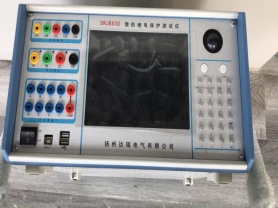
The high current generator is based on the principle of electromagnetic induction and typically employs advanced microelectronic processing technology and an efficient electromagnetic conversion system. The internal structure of the device is compact, consisting of a control panel, operation buttons, a current regulation system, and a powerful current booster. During operation, powered by an external power supply, the internal transformer increases the voltage, which is then rectified and controlled by the control circuit to precisely regulate the output current. Users can set the desired current value through the control panel, and the current is amplified in the current booster and finally provided to the device under test through the secondary output port. Some advanced models are also equipped with digital displays and intelligent control, enabling high-precision adjustment and real-time monitoring of the output current.
Technical Characteristics
High Precision and Stability: Utilizing CNC technology, the output current is continuously adjustable with high precision and strong stability, meeting high-precision testing requirements.
Safety Protection Functions: Built-in multiple protection mechanisms, such as overload protection and short-circuit protection, ensure operational safety.
Portability and Ease of Use: Compact size, lightweight, easy to carry, user-friendly interface, and easy to learn.
High Efficiency and Energy Saving: Adopting low-power design, it can output large currents in a short time, improving testing efficiency while reducing energy consumption.
Application Scope
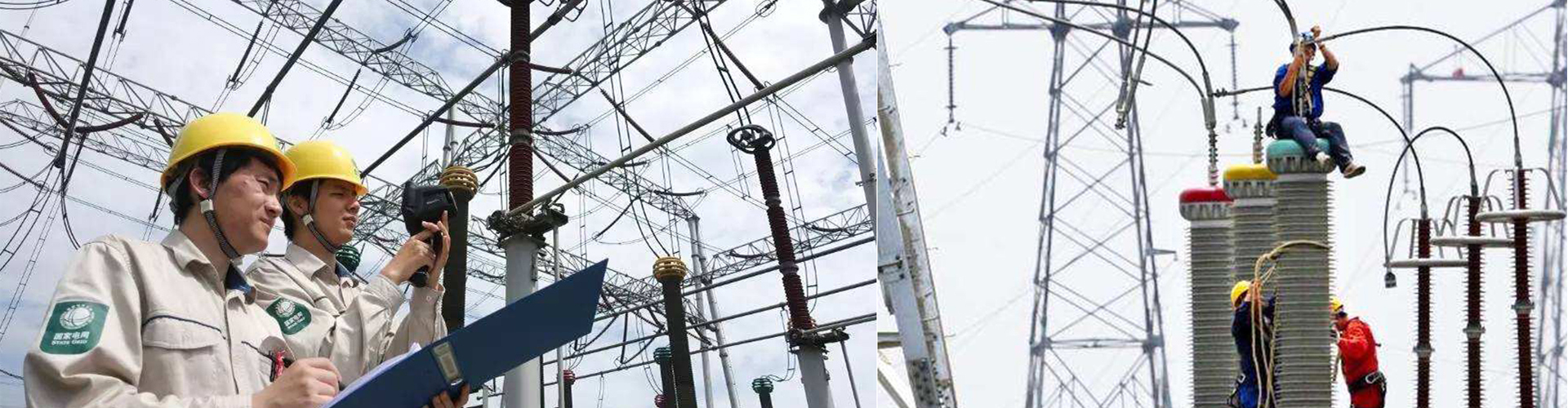
Power System Testing: Used for busbar protection and current transformer ratio testing, ensuring the accuracy and safety of power equipment.
Electrical Equipment Inspection: In factory testing of motors, generators, transformers, and other equipment, verifying the performance of equipment under high current conditions.
Scientific Research and Teaching: Universities and research institutions use it to simulate physical phenomena under high current environments and for teaching demonstrations in electrical engineering courses.
Railway and Aviation: Providing high current sources for railway traction systems and aircraft ground testing, for system performance verification.
Conclusion
The high current generator, as an important device in the field of power and electrical testing, with its efficient, precise, and safe characteristics, has become an essential tool for ensuring the safe operation of power equipment and optimizing electrical system design. With the development of the power industry and continuous technological advancement, high current generators are also evolving towards higher precision and stronger intelligent control, providing more reliable support for industrial production and scientific research. In power system upgrades, quality control of electrical equipment, and new technology R&D, the high current generator will continue to play a key role in driving industry development.