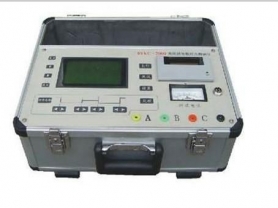
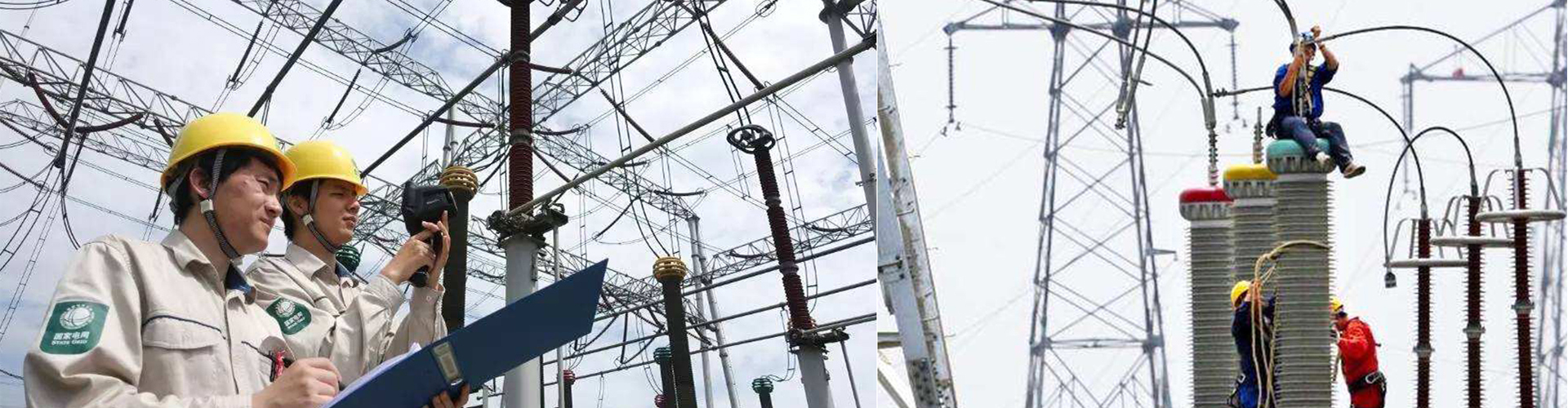
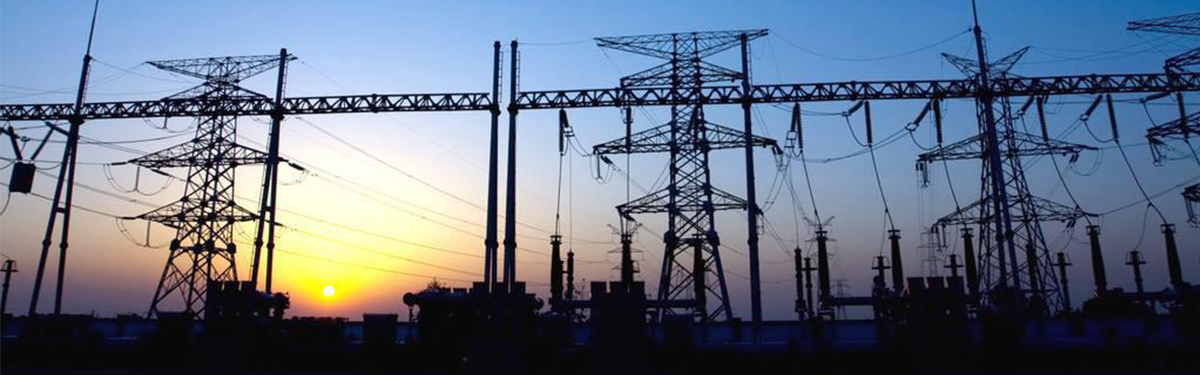
In the intricate network of the power system, relay protection devices act as loyal guardians, constantly monitoring the system's operational status, preventing and swiftly responding to various faults to ensure the safety and stability of the power grid. The relay protection tester serves as the trainer and verifier for these guardians, playing an irreplaceable role in the maintenance and upgrade of the power system. This article delves into how the relay protection tester, through its intelligent and high-efficiency features, safeguards the safe operation of the power system.
I. Intelligent Operation, Simplifying Test Procedures
With technological advancements, modern relay protection testers have entered the era of intelligence. Equipped with advanced computer control systems and user-friendly interfaces, users can easily set test parameters and execute complex test procedures via touchscreens or keyboards. This not only greatly enhances testing efficiency but also simplifies operational steps, making even complex relay protection device testing intuitive and straightforward.
II. Precise Testing, Ensuring Device Reliability
The core value of the relay protection tester lies in its precise testing capability for relay protection device performance. From simulating various fault conditions such as short circuits, overloads, and voltage loss, to detecting the action time and characteristics of protection devices, each test is a rigorous examination of the power system's safety defenses. Through these detailed tests, any potential issues with protection devices can be promptly identified and corrected, ensuring they operate swiftly and accurately during actual faults, thereby preventing power accidents.
III. Strong Compatibility, Adapting to Various Protection Devices
Modern power systems feature a wide variety of relay protection devices with different functions. Relay protection testers are designed with high compatibility, capable of adapting to protection devices from different manufacturers and models, whether traditional electromagnetic, static, or the most advanced digital microprocessor-based relay protection, all can be tested accurately and effectively. This compatibility ensures the widespread application of testers across various power facilities.
IV. Safe Testing, Ensuring Personnel and Equipment Safety
When testing critical equipment such as circuit breakers and fuses, safety is always the primary consideration. Relay protection testers precisely control test current and voltage to minimize impact on equipment while ensuring test effectiveness, guaranteeing the safety of personnel and equipment during testing. Additionally, built-in safety protection mechanisms monitor the test status in real-time, taking protective measures immediately upon detecting any abnormality to prevent accidents.
V. Promoting Technological Innovation, Adapting to Grid Development
With the increasing complexity of the power grid structure and rapid growth in electricity demand, technical requirements for relay protection testers are continuously rising. Modern testers not only focus on hardware upgrades, such as using high-quality materials and precision manufacturing processes to enhance device reliability, but also innovate at the software level, such as integrating the latest algorithm models, supporting remote monitoring and data analysis, making testing more intelligent and efficient.
In summary, the relay protection tester, as a key tool for safe operation and maintenance of the power system, provides solid technical support for the stable operation of the power grid through its intelligent and high-precision testing capabilities. As the power industry continues to develop, relay protection testers will also evolve, becoming an important guarantee for ensuring grid safety and improving power supply quality.